20 Reusable Items to Help You Reduce Waste
We may earn a commission for purchases made using our links. Please see our disclosure to learn more.
One paper towel, plastic bag, or takeaway cup may not seem wasteful. Used every day, however, these disposable products create a steady flow of household rubbish. Reusable items can reduce that waste without turning your routine upside down. Start with the disposables you use most, then choose durable replacements that are easy to clean and convenient to carry.
Why Reusable Items Can Make a Difference
Reusable products still require materials, energy, and transportation. Their real benefit comes from using the same item repeatedly.
A review of reusable packaging systems found that environmental results depend on factors such as cleaning, transportation, product lifespan, and reuse rates. A separate review of takeaway packaging life-cycle assessments reached a similar conclusion: the number of uses and the way an item is washed can shape its overall impact.
Before shopping, check what you already own. A jar, tea towel, lunch container, or tote bag may already do the job. When something needs replacing, choose an option that fits your routine.
Reusable Items for the Kitchen
The kitchen is one of the easiest places to start reducing waste because it’s where many single-use products are used every day. By replacing a few disposable items with reusable alternatives, you can cut down on household waste, save money over time, and create a more sustainable kitchen without making major lifestyle changes.
1. Reusable Water Bottle
A reusable water bottle can replace hundreds of disposable plastic bottles throughout its lifetime. Look for one that’s durable, fits comfortably in your bag or car cup holder, and has a lid that’s easy to disassemble for cleaning. Keeping it with you throughout the day also makes it easier to stay hydrated.
2. Reusable Coffee Cup
If you regularly grab coffee or tea on the go, a reusable travel mug is a smart investment. Keep it next to your keys or lunch bag so you remember to bring it with you. Many coffee shops also offer a small discount when customers bring their own cups.
3. Cloth Napkins
Cloth napkins are a simple replacement for disposable paper napkins. They’re perfect for family meals, packed lunches, and cleaning up small spills. You don’t have to buy a matching set either—cotton squares, vintage tea towels, or secondhand napkins work just as well.
4. Washable Dishcloths
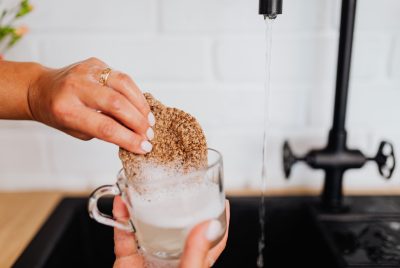
Instead of constantly reaching for paper towels, switch to washable dishcloths for everyday cleaning. They’re durable enough for wiping counters, washing dishes, and handling kitchen messes. Using different colors for different tasks can help keep things clean and organized.
5. Silicone Food Storage Bags
Reusable silicone food storage bags are ideal for snacks, sandwiches, chopped vegetables, leftovers, and freezer meals. Choose bags with a wide opening and a strong, leak-resistant seal since they’re much easier to fill, wash, and reuse.
Reusable Food Storage Solutions
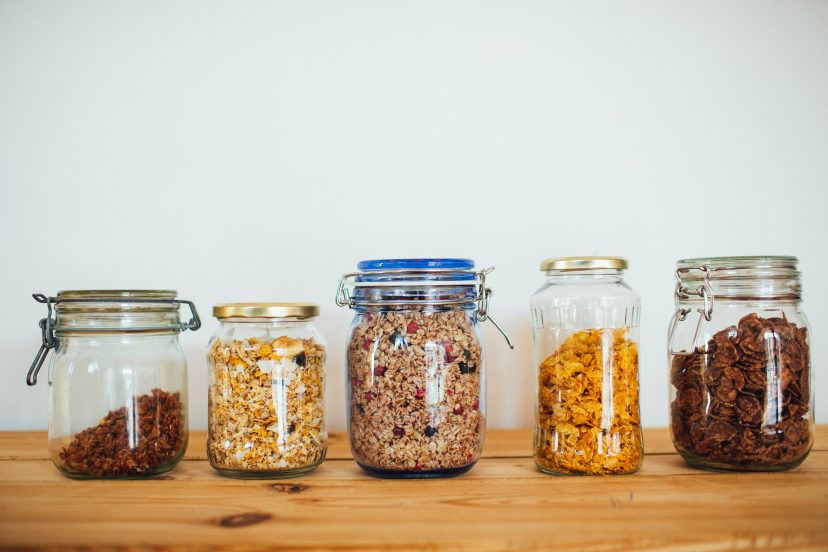
Food storage is another area where reusable products can make a noticeable difference. These simple swaps help reduce plastic waste while keeping food fresh.
6. Glass Food Storage Containers
Glass containers are perfect for meal prep, leftovers, and packed lunches. Because they’re transparent, it’s easy to see what’s inside, helping you avoid forgotten food hiding in the back of the refrigerator. Many are also safe for the microwave, freezer, and dishwasher.
7. Beeswax or Plant-Based Wax Wraps
Reusable wax wraps are an eco-friendly alternative to plastic wrap. They’re great for covering bowls or wrapping bread, cheese, fruit, and sandwiches. To extend their lifespan, wash them with cool water and mild soap, and avoid using them with raw meat, hot foods, or in the microwave.
8. Reusable Bowl Covers
Fabric bowl covers and stretchy silicone lids are an easy way to cover leftovers, rising dough, salads, or fresh fruit without using disposable plastic wrap. A variety pack with multiple sizes will fit most bowls you’ll use every day.
Reusable Shopping Essentials
Reducing waste doesn’t start when you get home—it starts at the grocery store. Keeping a few reusable shopping essentials on hand makes sustainable shopping much easier.
9. Reusable Produce Bags
Mesh or lightweight fabric produce bags help keep loose fruits and vegetables organized while shopping. Store them inside your reusable grocery bags so you’ll always have them ready when you head to the store.
10. Reusable Shopping Bags
A foldable reusable shopping bag is one of the easiest eco-friendly swaps you can make. Keep one in your purse, backpack, car, or bike basket so you’re never caught without it. A reusable bag only works if you remember to bring it, so keeping several in convenient places can make all the difference.
Reusable Items for Work, School, and Travel
Whether you’re commuting to work, heading to school, or traveling, it’s easy to rely on disposable items for convenience. Bringing a few reusable essentials with you can significantly reduce waste while saving money over time.
11. Reusable Cutlery
A portable set of reusable cutlery makes it easy to skip disposable forks, spoons, and knives when eating away from home. Look for a compact set that includes a carrying case to keep clean and used utensils separate from the rest of your belongings.
12. Reusable Straws
Reusable straws are available in stainless steel, silicone, glass, and bamboo, giving you plenty of options based on your preferences. Many come with a small cleaning brush, making it easy to keep them clean and ready for your next drink.
13. Reusable Lunch Box
Packing your own lunch in a reusable container helps reduce the need for plastic bags, aluminum foil, and single-use packaging. A lunch box with divided compartments keeps different foods separate while making meal prep more convenient.
14. Reusable Snack Pouches
Washable snack pouches are perfect for carrying crackers, fruit, sandwiches, nuts, and other snacks. They’re also surprisingly versatile—you can use them to organize charging cables, toiletries, small toys, or art supplies while traveling.
Reusable Items for the Bathroom
The bathroom is another place where disposable products quickly add up. Swapping even a few everyday items for reusable alternatives can make your routine more sustainable without sacrificing convenience.
15. Washable Makeup Remover Pads
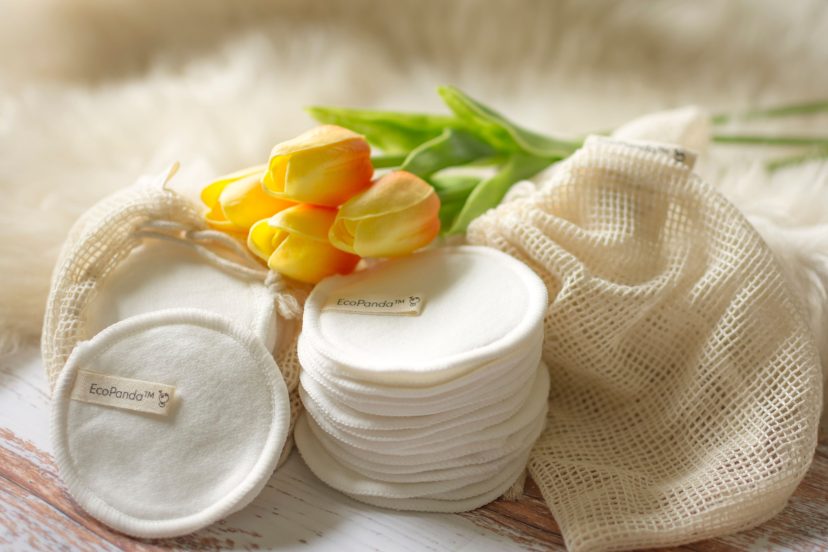
Reusable makeup remover pads made from cotton or bamboo are a simple alternative to disposable cotton rounds. After use, place them in a small mesh laundry bag so they stay together during washing and are easy to reuse.
16. Refillable Soap Dispensers
Instead of buying a new plastic bottle every time you run out of soap, refill a durable dispenser using larger refill containers or products from a local refill store. This works well for hand soap, body wash, shampoo, conditioner, and even dish soap.
17. Metal Safety Razor
A metal safety razor is designed to last for years, with only the blades needing replacement. While it may take a few shaves to get used to, it produces far less plastic waste than disposable razors or cartridge systems and can be more cost-effective over time.
18. Reusable Menstrual Products
Reusable menstrual cups, washable cloth pads, and period underwear offer eco-friendly alternatives to disposable menstrual products. The best option depends on your comfort level, daily routine, and access to washing facilities, but all can significantly reduce monthly waste.
Reusable Items for Cleaning and Home Care
Household cleaning often involves disposable wipes, plastic bottles, and single-use mop pads. Switching to reusable cleaning supplies helps reduce waste while keeping your home just as clean.
19. Refillable Cleaning Bottles
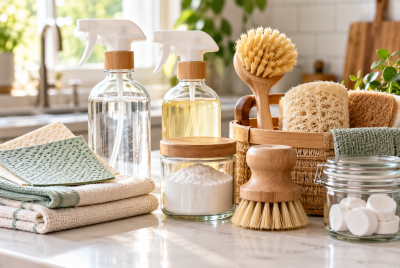
A durable spray bottle can be used again and again by refilling it with concentrated cleaners or homemade cleaning solutions. Be sure to label each bottle clearly and always follow the manufacturer’s instructions. Never mix household cleaning chemicals unless the product specifically recommends it.
20. Washable Mop Pads and Duster Covers
Reusable mop pads and washable duster covers are easy replacements for disposable refills. Keeping a few extras on hand means you’ll always have a clean one ready while the others are in the laundry, making your cleaning routine both convenient and more sustainable.
How to Choose Reusable Products You Will Keep Using
A reusable product only makes sense when it fits your lifestyle. Before buying one, ask:
- Will I use it often?
- Is it easy to clean and store?
- Which disposable product will it replace?
- Do I already own something similar?
- Can it withstand frequent use?
Convenience matters as much as appearance. A stylish bottle that leaks may stay in a cupboard, while a plain one that fits your bag can become an everyday essential.
Cleaning habits also affect a reusable product’s footprint. Add cloths, bags, and pads to full laundry or dishwasher loads when possible. Use cooler water when the care instructions allow it.
These habits pair well with other practical ways to conserve water at home while reducing household waste.
Reusable Products to Consider
These products cover hydration, food storage, shopping, and meals away from home. Focus on one that would replace something you throw away often.
1. Hydro Flask Standard Mouth Water Bottle
The Hydro Flask Standard Mouth Water Bottle suits commutes, exercise, and everyday hydration. Its insulation helps keep beverages hot or cold for longer.
2. Stasher Silicone Reusable Storage Bag
The Stasher Silicone Reusable Storage Bag uses food-grade platinum silicone and a Pinch-Loc seal. Depending on its care instructions, it can go in the freezer, microwave, dishwasher, and oven.
3. Bee’s Wrap Assorted Beeswax Wraps
Bee’s Wrap Assorted Beeswax Wraps come in several sizes for bowls, sandwiches, produce, bread, and cheese. They can be hand-washed and reused.
4. BAGGU Standard Reusable Shopping Bag
The BAGGU Standard Reusable Shopping Bag folds into a compact pouch. Its roomy design works for groceries and everyday purchases.
5. W&P Porter Stainless Steel Utensils
The W&P Porter set includes a fork, spoon, knife, and silicone case. Its compact size suits lunches, road trips, and desk drawers.
Conclusion
Reusable items can be substituted for a lot of single-use items in the home. They can help you cut back on waste, curb consumption, and make sustainable living feel a little bit easier, if you use them consistently. You don’t have to purchase all 20 items just yet. Begin with the single-use product you reach for most frequently, be it a bottle, takeaway cup, shopping bag or sheet of paper. Make the most of items you already have before buying replacements. Opt for something sturdy and easy to care for when you need a replacement. Practical changes are the important ones to make when it comes to keeping up the momentum.
FAQs
Are reusable items always better for the environment?
Not always. Reusable products require materials and energy to manufacture, transport, and clean. They become more beneficial when they last a long time and replace many disposable items.
Which reusable items are best for beginners?
Start with something that replaces a product you use frequently. A water bottle, tote bag, food container, travel mug, or washable cloth can be an easy first step.
How can I remember reusable bags and cups?
Keep them where the habit begins. Store grocery bags near the door or in your car, and place your travel mug beside your keys or coffee machine. Return each item to the same spot after washing it.
Can reusable products save money?
They can, especially when they replace products you buy repeatedly. Savings depend on the purchase price, lifespan, and frequency of use. Repurposing jars, containers, and fabrics you already own can cost even less.
How should I clean reusable items?
Follow the manufacturer’s instructions because different materials require different care. Let bottles, bags, wraps, and containers dry completely before storage. Replace anything that becomes cracked, damaged, difficult to clean, or unsafe to use.