10 Easy Ways To Conserve Water
We may earn a commission for purchases made using our links. Please see our disclosure to learn more.
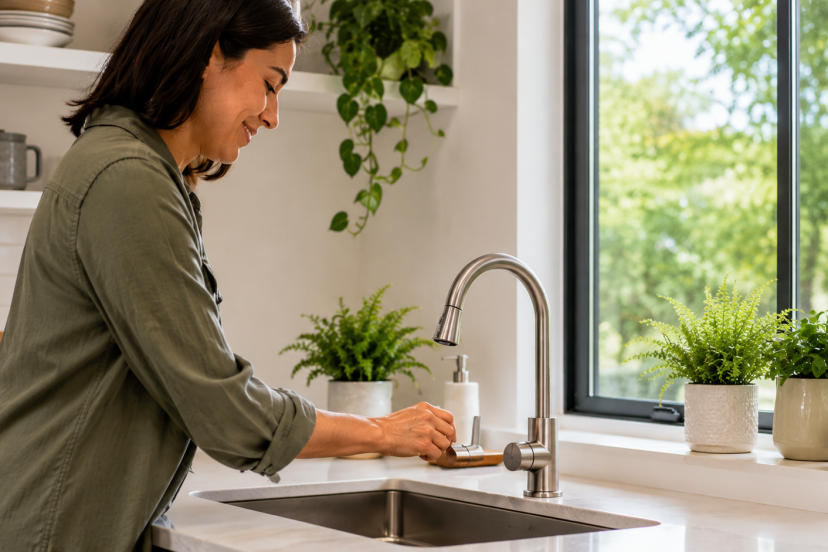
Water is easy to take for granted until the bill rises, the garden dries out, or local restrictions kick in. You do not need big upgrades or complicated routines to use less of it. A few smart habits and simple home changes can help you conserve water, reduce waste, and make your household more eco-friendly without giving up comfort.
Why Conserving Water Matters
Water conservation is not just about lowering your monthly bill, although that is a nice bonus. It also reduces pressure on local water systems, protects natural ecosystems, and helps your household use resources more responsibly.
According to the EPA’s guide to fixing common household leaks, household leaks waste nearly 1 trillion gallons of water nationwide each year. That means some of the biggest water-saving wins are not complicated at all. They start with finding drips, replacing inefficient fixtures, and being more mindful outdoors.
In addition, global water stress is becoming harder to ignore. UNESCO’s warning on the growing risk of a global water crisis reports that between 2 and 3 billion people experience water shortages for at least one month each year, which makes everyday conservation habits even more important.
1. Fix Leaks Quickly
A dripping faucet may seem harmless, but those little drops add up fast. Check sinks, toilets, showerheads, outdoor spigots, and irrigation lines.
To spot a possible toilet leak, put a few drops of food coloring into the tank, leave it alone for several minutes, and see if the color appears in the bowl. Wait about 10 minutes without flushing. If color appears in the bowl, you may have a leak.
Easy leak checks
Check beneath sinks for damp spots, listen for toilets that keep running, and compare your water meter reading before and after two hours of no water use. If the meter changes, something may be leaking.
2. Install Water-Saving Showerheads
Showers are one of the easiest places to conserve water. A WaterSense-labeled showerhead uses less water while still meeting performance standards.
You still get a comfortable rinse, but you use fewer gallons every time you shower. That means you also reduce the energy needed to heat water.
Small change, daily impact
If several people live in your home, this upgrade can make an even bigger difference. It is a simple swap that usually takes just a few minutes.
3. Add Faucet Aerators
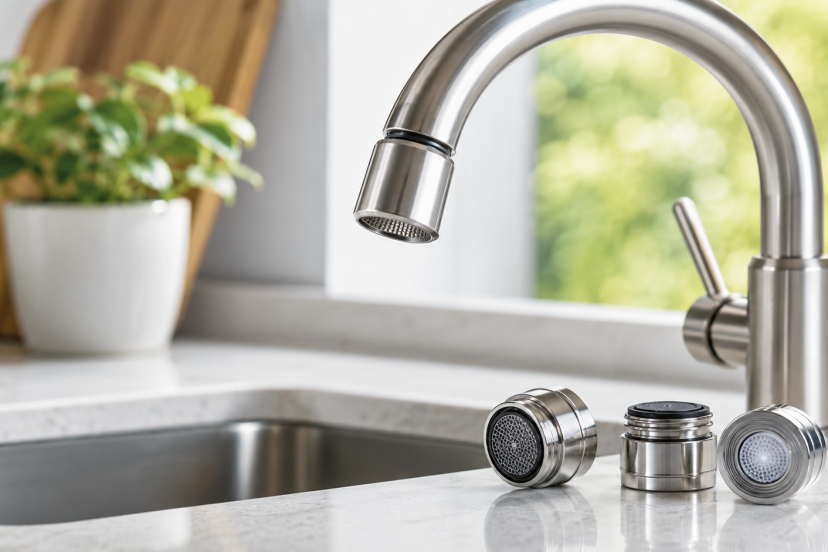
A faucet aerator is a small attachment that screws onto the end of your faucet. It mixes air into the water stream, which helps reduce flow without making the water feel weak.
This is one of the most budget-friendly water-saving upgrades for bathrooms and kitchens.
Where to use aerators
Add them to bathroom sinks, kitchen sinks, laundry sinks, and guest bathrooms. Just check the faucet size before buying.
4. Run Full Loads Only
Dishwashers and washing machines save the most water when you use them with full, properly loaded cycles. Instead of running half-empty loads, wait until you have a full load.
That said, avoid overstuffing. Clothes need room to move, and dishes need space for water to reach them properly.
Bonus tip
Use the eco setting when available. Many modern appliances have cycles designed to use less water and energy.
5. Take Shorter Showers
You do not need to turn showering into a survival challenge. Just trimming a few minutes can help.
Try setting a song-length shower goal. Pick a favorite 4- or 5-minute song and finish before it ends. This makes the new routine feel easier to stick with.
Make it easier
Keep shampoo, soap, and towels within reach. The fewer delays you have, the less water runs unnecessarily.
6. Water Plants Smarter
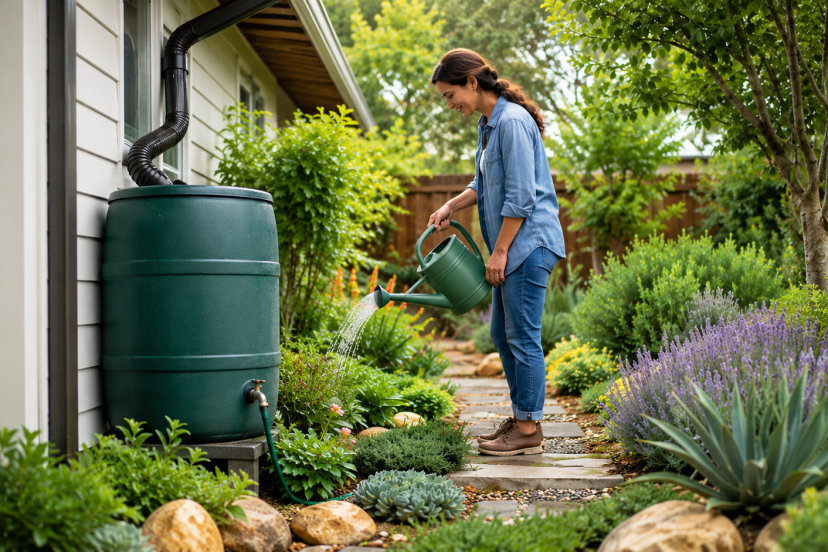
Outdoor water use can get wasteful quickly, especially during hot weather. Water your plants in the early morning or evening so less moisture disappears in the heat.
Also, aim water at the base of the plant instead of spraying leaves and sidewalks.
Better watering habits
Deep, less frequent watering encourages stronger roots. Shallow daily watering often keeps roots near the surface, where they dry out faster.
7. Use Mulch in the Garden
Mulch is underrated. It helps soil hold moisture, reduces evaporation, controls weeds, and protects plant roots from temperature swings.
Use wood chips, straw, shredded leaves, bark, or compost around plants. Keep mulch slightly away from stems and trunks so the base of the plant can breathe.
Why mulch works
Think of mulch like a blanket for your soil. It keeps moisture where your plants need it instead of letting the sun dry everything out too quickly.
8. Choose Drought-Tolerant Plants
If you are planning a garden refresh, choose plants that thrive with less water. Native plants are often a smart choice because they are already adapted to your local climate.
Succulents, lavender, yarrow, ornamental grasses, and many native wildflowers can look beautiful without constant watering.
Group plants by water needs
Place thirsty plants together and low-water plants together. This prevents overwatering some areas just to keep one plant happy.
9. Reuse Water When Safe
Some household water can be reused in simple ways. For example, collect water while waiting for the shower to warm up and use it for plants.
You can also reuse cooled water from rinsing fruits and vegetables.
Keep it safe
Avoid using water that contains harsh cleaners, grease, bleach, or raw meat residue. When in doubt, pour it down the drain instead of using it on plants.
10. Buy Eco-Friendly Home Products
Water conservation fits naturally into a bigger sustainable lifestyle. When you choose products that last longer, use fewer resources, or support natural materials, you reduce waste beyond the tap.
For example, choosing thoughtful home upgrades like sustainable natural-fiber rugs for an eco-friendly home can help you create a greener space without sacrificing comfort or style.
Think long-term
The most eco-friendly product is often the one you will actually use, maintain, and keep for years.
Recommended Products
Here are five products that can help conserve water easily at home:
1. Niagara Conservation Earth Massage Showerhead
This low-flow showerhead is a practical choice for reducing shower water use without making the bathroom feel too basic. It is simple, affordable, and easy to install.
2. Rachio 3 Smart Sprinkler Controller
This smart sprinkler controller helps adjust watering schedules based on weather and yard needs. It is especially useful if you want to reduce outdoor water waste.
3. Moen Flo Smart Water Monitor and Shutoff
This smart leak detection system monitors household water use and can help catch leaks before they become expensive problems.
4. Rain Bird Drip Irrigation Kit
A drip irrigation kit delivers water directly to plant roots. That means less runoff, less evaporation, and healthier watering for garden beds and landscaping.
5. Danco Water-Saving Faucet Aerator
A simple faucet aerator can reduce water flow at the sink while keeping the stream useful for washing hands, rinsing dishes, and daily tasks.
Conclusion
Learning how to Conserve Water does not have to feel extreme. In most homes, the biggest improvements come from simple choices: fix leaks, upgrade old fixtures, water plants wisely, run full loads, and pay attention to everyday habits. Start with one or two changes this week. Maybe you add a faucet aerator, check for toilet leaks, or shorten your shower by a few minutes. After those changes become second nature, build on them with one more water-saving habit. Small actions may not look dramatic in the moment, but over time they can conserve water, lower bills, and help your home become more eco-friendly.
FAQs
1. What is the easiest way to Conserve Water at home?
The easiest place to start is fixing leaks. Check faucets, toilets, showerheads, and outdoor spigots. Even a minor leak can waste a lot of water if it goes unnoticed for too long.
2. Do low-flow showerheads really work?
Yes. Many modern low-flow showerheads are designed to save water while still giving you a comfortable shower. Look for WaterSense-labeled options when possible.
3. How can I save water in the garden?
Water early in the morning, use mulch, choose drought-tolerant plants, and switch to drip irrigation where possible. These habits help reduce evaporation and runoff.
4. Is handwashing dishes better than using a dishwasher?
Not always. An efficient dishwasher can use less water than washing dishes by hand, especially when you run full loads and skip unnecessary pre-rinsing.
5. What products help save the most water?
Leak detectors, low-flow showerheads, faucet aerators, smart sprinkler controllers, and drip irrigation kits are some of the most useful water-saving products for everyday homes.