Eco Friendly Gardening Tools Made to Last
We may earn a commission for purchases made using our links. Please see our disclosure to learn more.
If you’re trying to make your garden a little more sustainable, eco friendly gardening tools are a simple place to start. A sturdy trowel, dependable pruners, or a well-made cultivator can handle regular use without needing constant replacement.
The key is choosing tools made from durable materials and avoiding products that are likely to crack, bend, or wear out quickly. Below, you’ll find five practical options, along with tips for choosing materials and keeping your tools in good shape.
Why Sustainable Gardening Tools Matter
Breaking the Cheap Plastic Cycle
Low-cost gardening tools often combine thin metal heads with plastic handles that may weaken from repeated use or sun exposure. Once damaged, tools made from several bonded materials can be difficult to recycle.
Replacing disposable equipment with durable alternatives helps limit waste and unnecessary purchases. A well-made trowel or pruning tool can remain useful through many gardening seasons.
Materials That Stand the Test of Time
Several materials offer a good balance of durability and practicality:
- FSC-Certified Hardwoods: Responsibly sourced ash, oak, and hickory provide strong, comfortable handles.
- Stainless Steel: Resists corrosion and works well for digging, planting, and other soil-related tasks.
- Forged Carbon Steel: Offers strength and can maintain a sharp edge when properly sharpened.
- Recycled Metals and Natural Rubber: Can reduce reliance on virgin materials when used in suitable tool components.
Combining reliable equipment with sustainable habits, such as starting a home compost pile, can further reduce household gardening waste.
Key Features of Truly Durable Gardening Gear
Before buying new tools, consider the materials, construction, grip comfort, and availability of replacement parts.
| Feature | Stainless Steel | Forged Carbon Steel |
| Rust Resistance | High | Requires regular care |
| Edge Retention | Varies by steel grade | Often holds a sharp edge well |
| Recyclability | Recyclable | Recyclable |
| Best Used For | Digging, planting, moist soil | Cutting, pruning, demanding tasks |
Stainless Steel vs. High-Carbon Steel
Stainless steel is a practical option for gardeners who want equipment that requires less maintenance. Its resistance to moisture makes it useful for frequent soil contact.
High-carbon steel is commonly chosen for cutting tools because it can hold a durable, sharp edge. However, it needs regular drying and occasional oiling to prevent rust.
Both can last for years when used and maintained correctly.
FSC-Certified Wood Handles
FSC certification helps buyers identify wood sourced through independently verified responsible forestry standards.
Ash is a popular choice for gardening handles because it combines strength with some flexibility. Look for smooth finishes, secure connections, and a handle shape that feels comfortable in your hand.
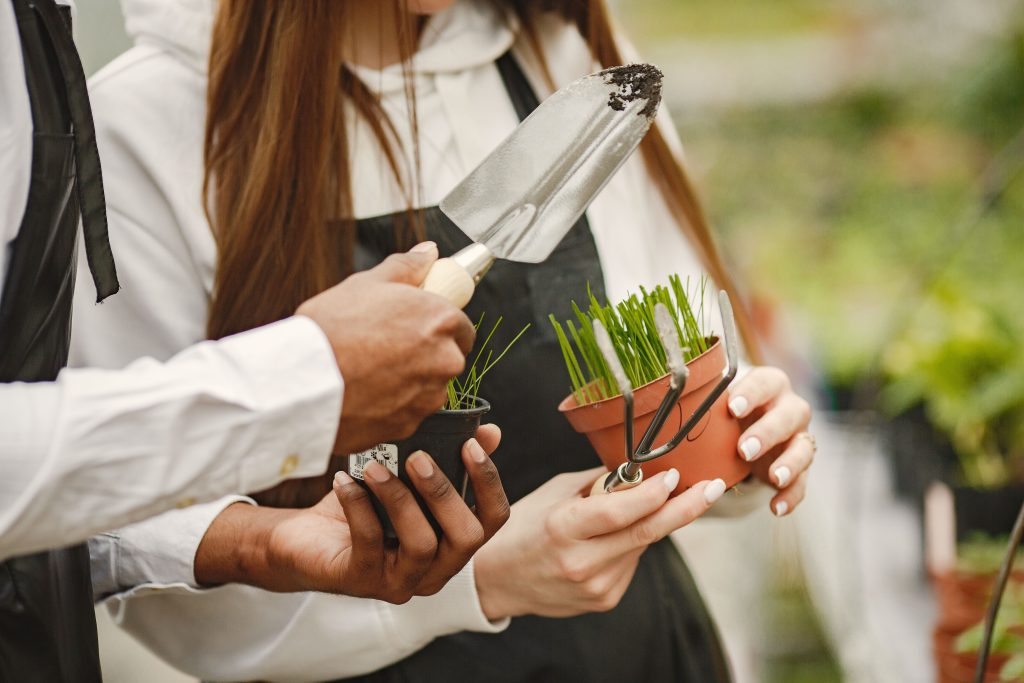
Top 5 Eco Friendly Gardening Tools Recommended for Every Hand
1. DeWit Hand Trowel (FSC Ash Wood & Tempered Steel)
DeWit trowels combine traditional metalworking with practical garden design. Their sturdy blades are useful for planting bulbs, moving soil, and preparing small planting holes.
- Best For: Planting, transplanting, and general digging.
- Key Materials: Hardened boron steel and ash hardwood.
- Why It Is Sustainable: The durable metal construction and wooden handle reduce the need for frequent replacements. DeWit also uses FSC-certified ash in its gardening tool range.
2. Radius Garden Stainless Steel Weeder
The Radius Garden is designed to remove deeply rooted weeds without requiring gardeners to work close to the ground. Its long shaft and ergonomic handle provide leverage when tackling stubborn roots.
- Best For: Removing deep weeds, unwanted seedlings, and preparing small bulb holes.
- Key Materials: Stainless steel blade, reinforced shaft, and ergonomic synthetic grip.
- Why It Is Sustainable: Its durable construction supports repeated use, although the handle includes plastic-based materials.
3. Nisaku NJP650 Hori-Hori Weeding Knife
The Nisaku hori-hori is a versatile Japanese gardening knife that combines digging and cutting functions. Its blade includes a straight edge, serrated side, and planting-depth markings.
- Best For: Weeding, dividing plants, cutting roots, and planting bulbs.
- Key Materials: Japanese stainless steel and a wooden handle.
- Why It Is Sustainable: One multipurpose tool can handle several routine gardening jobs, reducing the need to purchase separate equipment.
4. Felco Model 2 Hand Pruners
Felco Model 2 pruners are built for regular trimming and precise cutting. Their sturdy handles and replaceable components make them a practical choice for gardeners who prefer repairing tools instead of discarding them.
- Best For: Pruning shrubs, cutting stems, and trimming small branches.
- Key Materials: Forged aluminum handles, hardened steel blades, and cushioning components.
- Why It Is Sustainable: Replacement blades, springs, and other parts allow worn components to be changed without replacing the entire tool.
5. Barebones Living Cultivator
The Barebones Living Cultivator features sturdy metal tines and a comfortable wooden handle. It is useful for loosening surface soil, clearing weeds, and preparing garden beds.
- Best For: Surface cultivation, soil loosening, and light weeding.
- Key Materials: Heat-treated stainless steel and walnut or ash wood.
- Why It Is Sustainable: Its durable construction and maintainable metal tines support long-term use, reducing the need for disposable alternatives.
How Long-Lasting Tools Support Soil and Environmental Health
Durable hand tools can reduce the amount of discarded gardening equipment and the resources needed to manufacture replacements.
They also allow gardeners to work specific areas without disturbing an entire bed. Careful hand cultivation can help preserve soil structure and reduce unnecessary disruption to earthworms and other soil organisms.
However, not every metal or wooden tool is automatically environmentally friendly. Manufacturing methods, material sourcing, transportation, and product lifespan all influence its overall impact.
Keeping existing tools in good condition is often more practical than replacing them simply because a newer option carries a sustainability label.
You can extend these habits beyond gardening equipment by choosing compostable home materials where appropriate.
Simple Care Routines to Make Your Tools Last Decades
A little maintenance prevents avoidable damage and keeps gardening equipment working properly.
| Step | Recommended Action | Frequency |
| Clean | Brush away soil and dry thoroughly | After each use |
| Sharpen | Restore cutting edges with a suitable sharpener | When needed |
| Condition Wood | Apply an appropriate wood-conditioning oil | Once or twice yearly |
| Prevent Rust | Lightly oil vulnerable metal surfaces | Before extended storage |
Follow these basic maintenance steps:
- Remove Dirt: Brush off soil after gardening and dry metal parts before putting tools away.
- Protect Metal Surfaces: Apply a light coating of suitable tool oil to exposed carbon steel to reduce corrosion.
- Maintain Wooden Handles: Smooth rough patches with sandpaper and apply raw linseed oil or another suitable wood treatment.
- Store Tools Properly: Hang equipment or place it in a dry shed to avoid unnecessary moisture exposure.
Always follow the manufacturer’s care instructions, particularly for coated blades and specialty materials.
Conclusion
Good gardening tools should make your work easier, not leave you shopping for replacements every season. Choosing eco friendly gardening tools made from sturdy steel and responsibly sourced wood means less waste, fewer broken handles, and equipment you can rely on. You don’t need to replace everything at once. Start with a quality trowel, a reliable pair of pruners, or whichever tool you reach for most. Take good care of it, and you’ll have one less thing to worry about when it’s time to get your hands dirty.
FAQs
Are eco-friendly gardening tools more expensive than standard tools?
Some durable gardening tools cost more initially, but longer service life may make them more economical. The actual savings depend on how often you garden and how well the equipment holds up.
How do I know if wooden tool handles are ethically sourced?
Check the packaging or manufacturer’s website for a valid FSC certification claim. This provides greater confidence that the wood meets recognized sourcing standards.
Can stainless steel garden tools rust over time?
Yes. Stainless steel can develop corrosion when exposed to moisture, salt, or harsh conditions for extended periods. Regular cleaning and dry storage help protect it.
Why should I avoid plastic-coated handles on my gardening tools?
Plastic coatings can eventually wear, peel, or crack. However, good-quality synthetic grips can also be durable and comfortable. Choose tools based on construction quality, repairability, and expected lifespan rather than avoiding all plastic.
How do I sharpen hand trowels and weeding knives at home?
Use an appropriate sharpening file or stone, following the blade’s existing angle. Work carefully, wear protective gloves, and avoid removing more metal than necessary. Not every trowel needs a sharpened edge.