20 Compostable Items You Didn’t Know Existed
We may earn a commission for purchases made using our links. Please see our disclosure to learn more.
Banana peels, coffee grounds, and fallen leaves are probably the first things that come to mind when you think about composting. Yet the range of compostable items available today reaches well beyond food scraps and garden waste.
Companies now use plant fibers, wood, natural rubber, and certified bioplastics to make common household products. Compostable food bags, sponges, packing tape, and even phone cases are becoming easier to find.
However, a compostable label does not automatically mean an item belongs in your backyard compost pile. Some materials only break down under the controlled temperatures and moisture levels found at commercial facilities. Knowing the difference will help you compost responsibly and avoid contaminating the finished material.
What Does Compostable Actually Mean?
A compostable product is designed to break down under specific composting conditions without leaving harmful residue behind. This makes “compostable” different from “biodegradable,” a broader term that may not indicate where or how quickly a material will decompose.
The material used also affects how the product decomposes. Untreated paper, wood, and plant fibers can often break down in a properly maintained backyard pile. Many compostable plastics, on the other hand, need the higher temperatures of an industrial system.
The U.S. Environmental Protection Agency’s guidance on plastic recycling and composting explains that compostable plastic generally belongs in a commercial facility unless its packaging clearly states that it is suitable for home composting.
Check Before You Compost
Take a moment to read the packaging before placing a manufactured product in your compost bin. Look for specific wording, such as “home compostable” or “commercially compostable,” and check for certification from a recognized organization.
Local rules matter as well. Composting programs accept different materials depending on their equipment and processing methods. Even a certified bag, cup, or food container may not be accepted by the facility that serves your area.
Remember to remove any parts that cannot decompose. Plastic labels, synthetic linings, metal fasteners, and decorative attachments can contaminate the pile. If the instructions are unclear, contact the manufacturer or your local composting provider.
20 Surprising Compostable Items
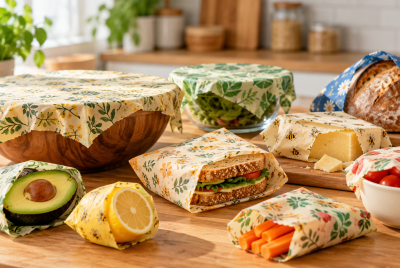
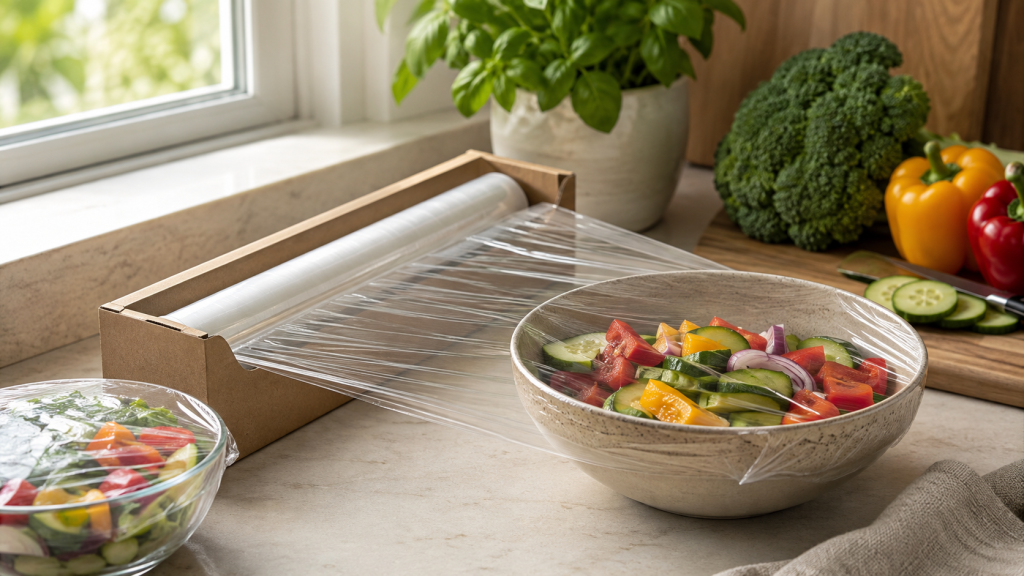
1. Compostable Cling Wrap
Conventional cling wrap is usually made from petroleum-based plastic. Compostable alternatives may use cellulose or other plant-derived materials while offering a similar level of flexibility.
You can use these wraps to cover bowls, pack sandwiches, or protect sliced produce. Before disposal, check whether the product requires commercial composting. A plant-based film is not necessarily suitable for a home pile.
2. Plant-Based Food Storage Bags
Compostable sandwich and snack bags look much like standard disposable bags, but manufacturers typically make them from plant starches or compostable polymers.
They can be helpful when carrying a reusable container is not convenient. For daily lunches and food storage, however, washable containers remain the more economical, lower-waste choice.
3. Coffee Pods
Single-serving coffee pods are convenient, but conventional capsules often contain mixed materials that are difficult to recycle. Some brands now offer pods made with certified compostable shells.
The coffee grounds can add nitrogen to compost, but the surrounding capsule may require commercial processing. Only put the entire pod in a backyard bin when the manufacturer specifically approves it for home composting.
4. Tea Bags
Not every tea bag is plastic-free. Some brands use polypropylene to seal the edges, while others make mesh bags from synthetic fibers.
Compostable options use paper, cellulose, or other plant-based materials. Read the box carefully and remove any staples, labels, or synthetic strings before adding a tea bag to your pile.
5. Parchment Paper
Certain types of parchment paper can be composted, particularly when they are unbleached, chlorine-free, and free from silicone coatings.
Tearing used paper into smaller pieces will help it decompose more quickly. A little cooking oil is generally not a problem, but heavily coated or plastic-lined sheets should stay out of the compost.
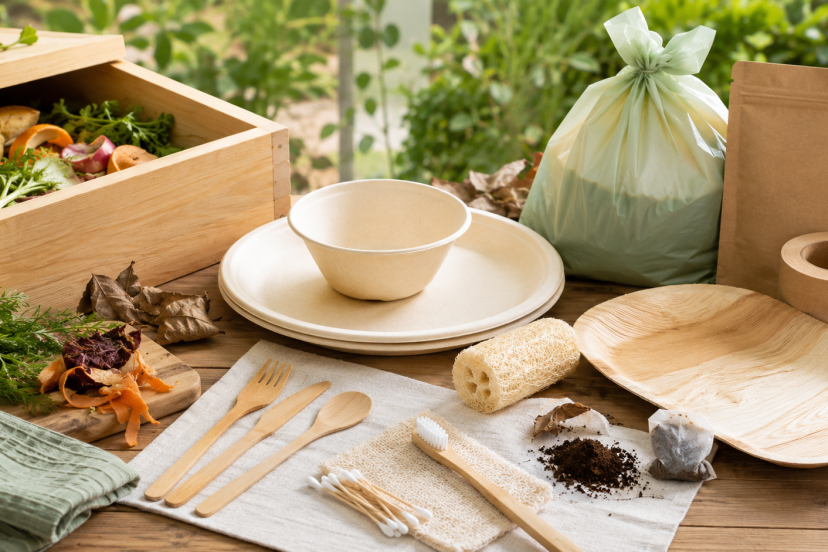
6. Plates Made From Sugarcane Fiber
After manufacturers extract juice from sugarcane, they are left with a fibrous material known as bagasse. This byproduct can be pressed into plates, bowls, and food containers.
Bagasse tableware tends to handle wet or oily food better than thin paper plates. Look for uncoated products and follow the disposal directions, since acceptance varies between composting programs.
7. Palm-Leaf Dinnerware
Manufacturers can turn naturally fallen areca palm leaves into attractive disposable plates. The leaves are collected, cleaned, and pressed into shape without the need for conventional plastic.
Plain palm-leaf dinnerware may be suitable for backyard composting after being broken into small pieces. If the plates contain meat, dairy, or large amounts of oil, place them in a secure system to avoid attracting pests.
8. Compostable Cutlery
Disposable forks, knives, and spoons are now available in bamboo, wood, and certified bioplastic. Plain wooden or bamboo utensils will usually break down more easily in a home pile.
Bioplastic cutlery is different. Although it may look and feel similar to ordinary plastic, it often needs sustained industrial heat to decompose properly. Always check the certification before disposal.
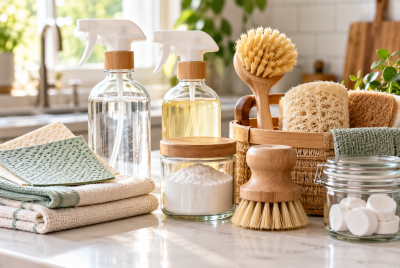
9. Natural Loofah Sponges
A loofah is not a type of plastic sponge. It is the dried inner structure of a plant related to cucumbers and squash.
Natural loofahs can be used for washing dishes, cleaning surfaces, or exfoliating skin. Once worn out, cut the material into smaller sections and remove synthetic cords or fabric edging before composting it.
10. Cellulose Dishcloths
Swedish-style dishcloths usually combine wood-derived cellulose with cotton. They absorb spills effectively, dry quickly, and can replace a significant number of disposable paper towels.
Not every dishcloth has the same composition, though. Only compost one if it contains no polyester, plastic decoration, or synthetic antibacterial treatment. The package should provide a complete material list.
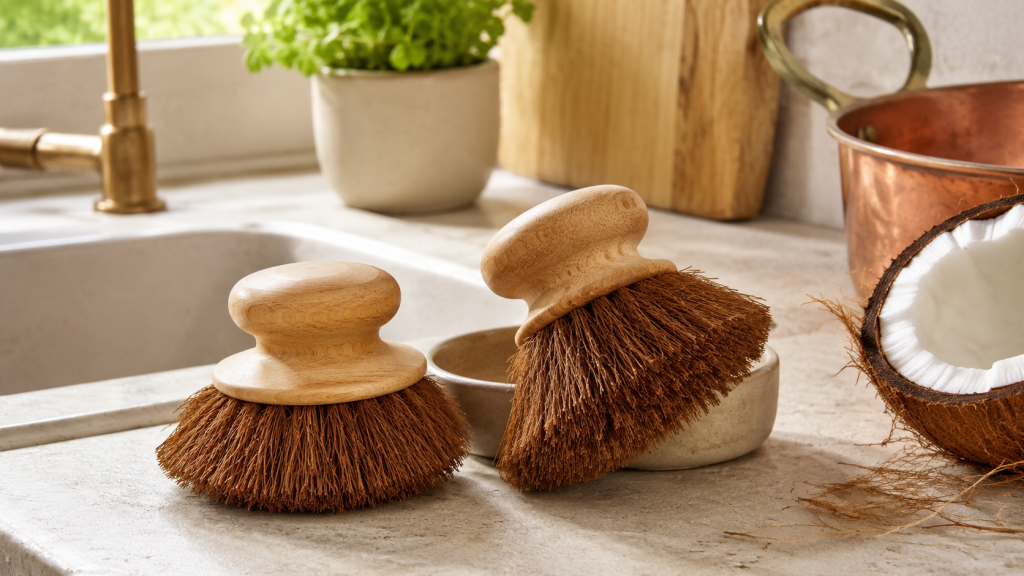
11. Coconut-Fiber Scrubbers
Coconut husks contain tough fibers that work well for scrubbing pots, pans, and kitchen surfaces. They offer a plant-based alternative to cleaning pads made from plastic.
A scrubber made entirely from coconut fiber and natural binders may be compostable at home. Remove plastic handles, synthetic stitching, and other added components first.
12. Compostable Trash Bags
Certified liners can make food-scrap collection cleaner while reducing the risk of conventional plastic entering an organics bin. They are especially convenient for countertop compost containers.
Despite the name, many of these bags will not break down in a typical backyard pile. Choose a certified liner that your municipal or private composting service accepts.
13. Natural Rubber Gloves
Some cleaning and gardening gloves use natural rubber instead of vinyl or nitrile. A few manufacturers offer versions tested for decomposition under industrial composting conditions.
Do not assume that all rubber gloves are compostable. Pigments, coatings, and chemical additives can affect how they break down. Look for clear certification and disposal instructions from the manufacturer.
14. Bamboo Toothbrush Handles
A plain bamboo toothbrush handle can eventually decompose, but the entire toothbrush usually cannot. Most models still have nylon bristles and small metal staples holding those bristles in place.
Use pliers to pull out the bristles before disposal. Splitting or cutting the handle into smaller sections can speed up decomposition, although thick bamboo will still take longer than soft food scraps.
15. Silk Dental Floss
Most standard dental floss is made with nylon or another synthetic material. Natural silk floss coated with plant-based wax provides a compostable alternative and often comes in a refillable glass dispenser.
Check that the floss contains genuine silk without hidden plastic fibers. Dispose of used pieces securely so they cannot entangle birds or other wildlife before reaching the compost pile.
16. Plastic-Free Cotton Swabs
Cotton swabs with bamboo, wooden, or tightly rolled paper stems can replace versions made with plastic sticks. Plain products without synthetic adhesive may be suitable for composting.
How you use the swab also matters. Do not compost one that has come into contact with medication, strong cleaning chemicals, makeup remover, or bodily fluids.
17. Compostable Mailers
Some online retailers now package clothing and other soft goods in mailers made from certified compostable film. These products can reduce the use of conventional polyethylene shipping bags.
Shipping labels and adhesives may not share the same compostable qualities as the mailer. Remove them unless the seller confirms that every part of the package can be processed together.
18. Cellulose Adhesive Tape
Plastic packing tape often remains attached to cardboard and creates problems during recycling or composting. Cellulose tape provides a plant-derived alternative for sealing boxes, envelopes, and gift wrap.
Still, the film is only part of the product. Check that the adhesive is also compostable. Cellulose paired with synthetic glue may not be appropriate for your compost bin.
19. Compostable Phone Cases
Phone cases made from flax, bamboo fiber, plant starch, and compostable polymers are becoming more widely available. They can protect a device without creating the same long-lasting waste as a conventional plastic case.
Most of these cases require commercial composting rather than backyard disposal. Before sending one to a facility, remove metal buttons, magnetic rings, and decorative pieces that will not decompose.
20. Plantable Seed Confetti
Plantable confetti consists of biodegradable paper containing flower, vegetable, or herb seeds. Guests can plant it after a party or wedding instead of sending plastic confetti to a landfill.
Choose seed varieties that suit your local climate and ecosystem. Never scatter seed paper in parks, nature reserves, or other public spaces without permission. The paper may decompose, but non-native plants can still harm the surrounding environment.
Five Recommended Compostable Products
The following products can make it easier to reduce waste at home. Product materials and certifications can change, so review the latest Amazon listing and packaging before purchasing.
- BioBag Food Scrap Bags: These compact certified liners make it easier to collect fruit peels, coffee grounds, and other kitchen scraps. Check whether your local organics program accepts them.
- UNNI Compostable Bags: UNNI offers bags in several sizes for collecting food waste and handling light household trash. Choose a size and certification that match your composting method.
- Compostable Plates: These plant-based plates are useful for parties, outdoor meals, and occasions when reusable dishes are not practical. Confirm the required disposal method after use.
- World Centric Fiber Tableware: The brand offers plates, bowls, and food containers made from renewable plant fibers such as sugarcane residue.
- If You Care Natural Sponge Cloths: Made with cellulose and cotton, these reusable cloths can reduce paper towel use. Depending on the specific product instructions, they may also be compostable at the end of their useful life.
These choices work well alongside other habits explained in this guide to low-waste grocery shopping. If an item cannot be composted, these practical recycling-at-home tips can help you place it in the correct waste stream.
How to Recognize Reliable Compostable Products
Green packaging, leaf graphics, and phrases such as “earth friendly” do not prove that a product is compostable. A reliable manufacturer should identify the materials, provide disposal instructions, and state whether the item needs home or commercial composting.
The Biodegradable Products Institute’s compostability certification guidance explains the difference between products certified only for commercial processing and those approved for both commercial facilities and properly managed home systems. Its online catalog can also help you check individual product claims.
Use this checklist before buying or composting an item:
- Look for certification from a recognized organization.
- Check whether the item needs home or commercial composting.
- Read the accepted-material list from your local facility.
- Be cautious of products labeled only as “degradable.”
- Remove plastic, metal, and other non-compostable parts.
- Choose a reusable alternative when it can perform the same job.
A compostable item is not safe to leave outdoors. Roadsides, oceans, and landfills do not provide the carefully managed conditions needed for proper decomposition. Even certified products can remain in the environment when discarded incorrectly.
Conclusion
The growing selection of compostable items gives households more ways to reduce their dependence on conventional plastic. Dishcloths, mailers, food bags, packing tape, and phone cases are just a few of the unexpected options now available.
Still, choosing a compostable product is only the first step. It must reach a facility capable of processing it. By checking certifications, following local collection rules, and choosing reusable products whenever practical, you can turn compostable claims into meaningful waste reduction.
Frequently Asked Questions
Can all compostable items go into a backyard compost bin?
No. Many certified products need the higher temperatures and controlled conditions found at commercial composting facilities. Only place a manufactured item in your backyard pile when the packaging clearly identifies it as home compostable.
How does compostability differ from biodegradability?
Biodegradable means that microorganisms can eventually break down a material, but the term may not include a specific environment or timeframe. Compostable products must meet defined requirements under particular composting conditions.
Can I place compostable products in the recycling bin?
Usually not. Compostable plastics differ from the plastics handled by standard recycling facilities and may contaminate recyclable materials. Follow the disposal guidance provided by your local waste service.
How much time do compostable products need to decompose?
Decomposition time varies according to the material, temperature, moisture, airflow, and composting method. Soft plant fibers may break down within a few months, while thicker products can take much longer.
Are compostable products always the most sustainable option?
Not necessarily. Reusable cups, bags, plates, and cloths often prevent more waste over their lifetime. Compostable versions are most helpful when reuse is unsafe, unavailable, or impractical.