Best Eco Friendly Bedding for Soft, Sustainable Sleep
We may earn a commission for purchases made using our links. Please see our disclosure to learn more.
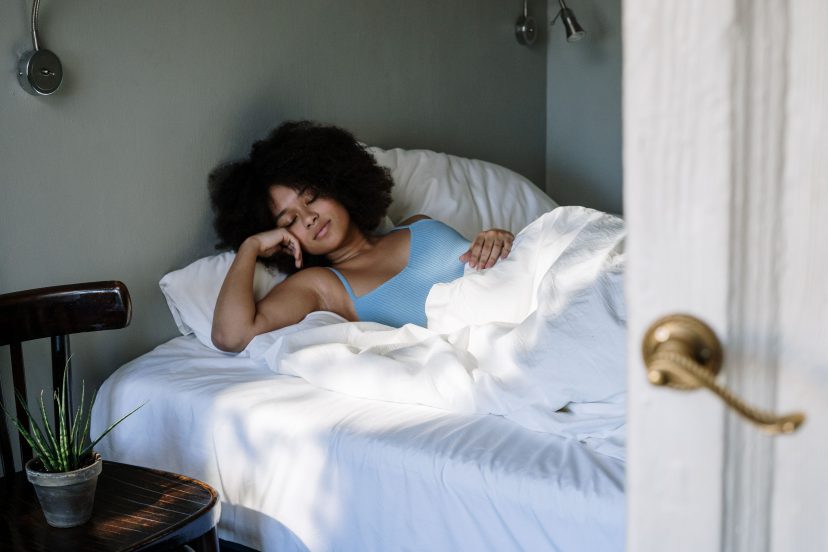
Most bedding looks clean and comfortable, but some sheets can come from materials treated with harsh chemicals or made through wasteful processes. That can make it harder to feel good about what you sleep on every night. Eco friendly bedding offers a better option by using materials like organic cotton, linen, bamboo, and eucalyptus fibers. In this guide, you’ll learn how to choose soft, sustainable bedding that supports better sleep and a greener home.
What Is Eco Friendly Bedding?
Eco friendly bedding refers to sheets, duvet covers, pillowcases, comforters, and blankets made from sustainable materials and ethical manufacturing processes.
Unlike conventional bedding, sustainable bedding often prioritizes:
- Organic or renewable fibers
- Reduced water consumption
- Lower chemical use
- Responsible farming practices
- Biodegradable materials
- Long product lifespan
The goal is simple: create comfortable bedding while reducing environmental impact.
Why More People Are Choosing Sustainable Bedding
Sustainability isn’t the only reason shoppers are making the switch.
Many eco-friendly fabrics offer practical benefits such as:
- Better breathability
- Improved moisture control
- Softer texture
- Reduced exposure to harsh chemicals
- Greater durability
In addition, investing in quality bedding often means replacing products less frequently, which helps reduce waste over time.
For people embracing greener lifestyles, bedroom upgrades often complement other environmentally conscious habits like reducing household waste and learning about composting for beginners.

Key Materials to Look for in Eco Friendly Bedding
Not all sustainable bedding materials perform the same way. Understanding the differences can help you find the perfect fit for your sleep style.
Organic Cotton
Organic cotton remains one of the most popular choices for eco friendly bedding.
Unlike regular cotton, organic cotton is grown without synthetic pesticides or harsh chemical fertilizers.
Benefits include:
- Soft feel
- Breathable fabric
- Easy maintenance
- Hypoallergenic properties
- Widely available
Organic cotton works well for nearly every type of sleeper.
Bamboo Viscose
Bamboo bedding has gained attention for its silky texture and cooling properties.
Many hot sleepers appreciate bamboo because it naturally helps regulate temperature and wick moisture away from the body.
Advantages include:
- Smooth, luxurious feel
- Excellent breathability
- Moisture management
- Naturally resistant to odors
When shopping for bamboo products, look for brands that use responsible manufacturing processes.
Linen
Linen comes from flax plants, which generally require fewer resources than many conventional crops.
Although linen may feel slightly textured at first, it softens significantly over time.
Benefits include:
- Exceptional durability
- Strong moisture-wicking ability
- Natural cooling effect
- Long lifespan
Many sustainable shoppers consider linen one of the most environmentally friendly bedding materials available.
Eucalyptus (TENCEL™ Lyocell)
Eucalyptus-based fabrics have become a favorite among eco-conscious consumers.
TENCEL™ Lyocell is known for:
- Silky softness
- Cooling performance
- Moisture control
- Sustainable production methods
Its smooth fibers also tend to be gentle on sensitive skin.
Hemp
Hemp is one of the most sustainable textile crops available today.
It grows quickly, uses relatively little water, and requires fewer agricultural inputs.
Benefits include:
- Exceptional durability
- Natural breathability
- Eco-friendly cultivation
- Increased softness over time
Although hemp bedding is less common, it continues gaining popularity among sustainability enthusiasts.
How to Choose the Best Eco Friendly Bedding
Before buying eco friendly bedding, think about comfort, safety, and long-term value. A good set should feel soft, last well, and come from materials you can trust.
Prioritize Certifications
Certifications help you avoid vague “green” claims. Look for trusted labels such as GOTS, OEKO-TEX® Standard 100, Fair Trade Certified, and MADE SAFE®.
These labels can show that the bedding meets certain standards for organic materials, safer chemicals, ethical production, or reduced environmental impact.
Match Bedding to Your Sleep Style
The best bedding depends on how you sleep.
Hot sleepers usually do best with breathable fabrics like bamboo, TENCEL™ Lyocell, or linen. These materials feel light and help manage moisture.
Cold sleepers may prefer organic cotton flannel or heavier cotton weaves because they feel warmer and cozier.
For sensitive skin, organic cotton and TENCEL™ Lyocell are gentle choices. They feel smooth and are often made with fewer harsh chemicals.
Focus on Long-Term Value
The cheapest bedding is not always the most sustainable choice. Low-quality sheets may wear out quickly, fade, or lose softness after a few washes.
Higher-quality eco friendly bedding usually lasts longer and feels better over time. This can help you replace your bedding less often, reduce waste, and get more value over time.

Best Eco Friendly Bedding Products Worth Considering
1. Pure Bamboo King Sheets
These organic cotton sheets feel crisp, airy, and naturally relaxed. Great for warm sleepers who like a cool, hotel-style feel.
2. Soft Cooling Sheet Set
Silky bamboo lyocell sheets that feel soft, smooth, and cooling. Best for hot sleepers who want lightweight luxury.
3. Comfortable Home Bedding Sheet Set
Smooth organic cotton with breathable sheets made for comfort and temperature balance. A good choice for year-round sleep.
4. Natural Flax Linen Sheet Set
Breathable linen sheets with a natural, relaxed look. They soften over time and work well for casual, cozy bedrooms.
5. Organic Cotton Bed Sheet Set
Soft organic cotton sheets made for everyday comfort. Ideal for families who want durable, eco friendly bedding.

What Science Says About Sustainable Bedding and Sleep
The quality of your sleep environment plays a major role in overall sleep health.
Research published by the National Sleep Foundation highlights the importance of breathable bedding and temperature regulation for maintaining quality sleep throughout the night.
Similarly, findings from the Sleep Foundation’s bedding and sleep environment research show that cooler sleep environments often improve sleep comfort and reduce nighttime disruptions.
These findings help explain why natural fibers such as linen, organic cotton, and eucalyptus-based fabrics continue to gain popularity among sleepers seeking comfort and sustainability.
Small Bedroom Changes That Support a Sustainable Lifestyle
Eco friendly bedding is a great starting point, but you can take sustainability even further.
Consider:
- Switching to organic mattresses
- Using natural wool blankets
- Choosing energy-efficient lighting
- Reducing synthetic textiles
- Purchasing fewer, higher-quality household items
Small decisions add up over time and can significantly reduce your environmental footprint.
Conclusion
Choosing eco friendly bedding is one of the easiest ways to create a healthier and more sustainable sleep environment. Whether you prefer organic cotton, cooling bamboo, luxurious eucalyptus, durable linen, or environmentally friendly hemp, today’s bedding options offer exceptional comfort without compromising your values.
Focus on certified materials, prioritize quality over price alone, and select fabrics that match your sleep preferences. The result is a bedroom that feels better, lasts longer, and supports a more sustainable future.
FAQs
What is the most eco friendly bedding material?
Many experts consider hemp and organic linen among the most sustainable options because they typically require fewer resources during cultivation and production.
Is bamboo bedding environmentally friendly?
Bamboo can be eco-friendly when responsibly processed. Look for brands that use closed-loop manufacturing methods and transparent sourcing practices.
Does eco friendly bedding last longer?
High-quality sustainable bedding often lasts longer than cheaper synthetic alternatives because many natural fibers are exceptionally durable.
Is organic cotton worth the extra cost?
For many shoppers, yes. Organic cotton offers softness, breathability, and reduced exposure to synthetic chemicals while supporting more sustainable farming practices.
Which type of bedding works best for hot sleepers?
Linen, bamboo lyocell, and eucalyptus-based fabrics are excellent choices because they promote airflow and help regulate body temperature throughout the night.