10 Reusable Eco Friendly Food Storage Solutions
We may earn a commission for purchases made using our links. Please see our disclosure to learn more.
Open the average kitchen drawer and there is usually a collection of sandwich bags, plastic wrap, foil, and mismatched containers hiding somewhere inside. They are convenient, but many of these products are designed to be used briefly before being thrown away. Switching to eco friendly food storage can make that routine less wasteful without making meal prep more complicated. The most useful options are not necessarily the newest or most expensive ones. A durable glass container, an old pasta jar, or a silicone bag that gets used hundreds of times can all earn a regular place in the kitchen. The key is choosing storage that suits the food you actually buy, cook, freeze, and pack.
How Eco Friendly Food Storage Helps Reduce Waste
Food storage affects more than packaging waste. Keeping ingredients visible, sealed, and organized can also make it easier to use them before they spoil.
The UNEP Food Waste Index Report 2024 found that households accounted for 60% of the estimated 1.05 billion tonnes of food waste generated in 2022.
Reusable does not automatically mean environmentally perfect, however. A 2024 life-cycle assessment of reusable food packaging found that environmental performance changes with factors such as the number of times a container is used, transportation, washing, and its eventual disposal.
In practical terms, buy fewer containers, choose durable ones, and keep using them.
1. Glass Food Storage Containers
Glass containers work particularly well for leftovers, meal prep, sauces, casseroles, and foods that may stain plastic.
Because glass is transparent, you can quickly see what is sitting in the refrigerator. That small detail can help prevent forgotten leftovers from disappearing behind other food.
Look for containers with replaceable lids if possible. A good glass base can last for years, so replacing a worn lid makes more sense than discarding the whole container.
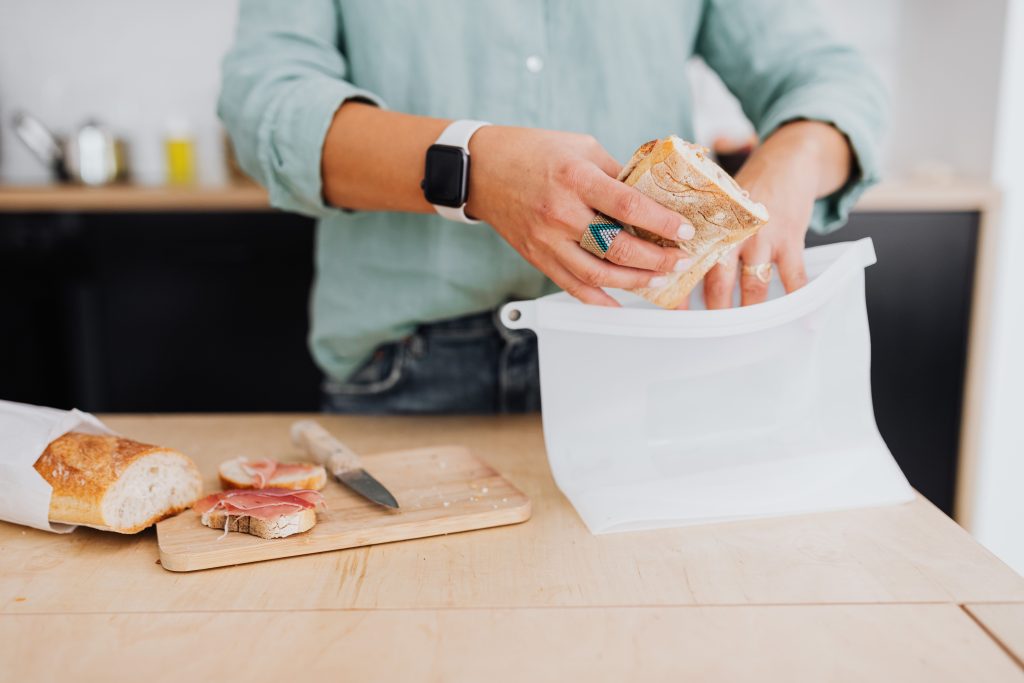
2. Reusable Silicone Storage Bags
Reusable silicone bags offer the convenience of disposable zip bags without needing a new bag for every sandwich or handful of vegetables.
They work well for snacks, chopped produce, freezer portions, packed lunches, and ingredients prepared ahead of time. Stand-up designs are especially handy for liquids and bulkier foods.
Choose bags that open widely enough to wash and dry properly. A reusable item that is frustrating to clean tends to spend more time in a drawer than in use.
For more ideas beyond food storage, these practical reusable items for reducing household waste include several simple kitchen swaps.
3. Glass Jars and Mason Jars
You do not need a matching container set for everything in your pantry. Glass jars are excellent for rice, oats, pasta, dried beans, nuts, spices, homemade sauces, and leftovers.
Mason jars are especially useful because replacement lids are easy to find and the jars come in many sizes.
Before buying new ones, look at jars you already have. Food jars from pasta sauce, pickles, or preserves can often be washed and reused for appropriate dry or refrigerated storage.
4. Stainless Steel Containers
Stainless steel containers are light, sturdy, and difficult to break, making them useful for lunches, picnics, road trips, and children’s snacks.
They are also a practical choice when you do not want to carry heavier glass containers.
The main drawback is visibility. Since you cannot see through the sides, labels can help prevent leftovers from being forgotten. Choose tightly fitting lids and check the manufacturer’s instructions if you plan to store liquids.
5. Beeswax and Plant-Based Wraps
Wax wraps replace plastic wrap for many everyday jobs. They can cover bowls or wrap bread, cheese, sandwiches, herbs, and cut produce.
The warmth of your hands helps soften many wax wraps so they mold around the food or container.
They do have limits. Most should stay away from very hot foods, microwaves, and raw meat. Wash them according to the maker’s directions, usually with cool water and mild soap, to help them last longer.
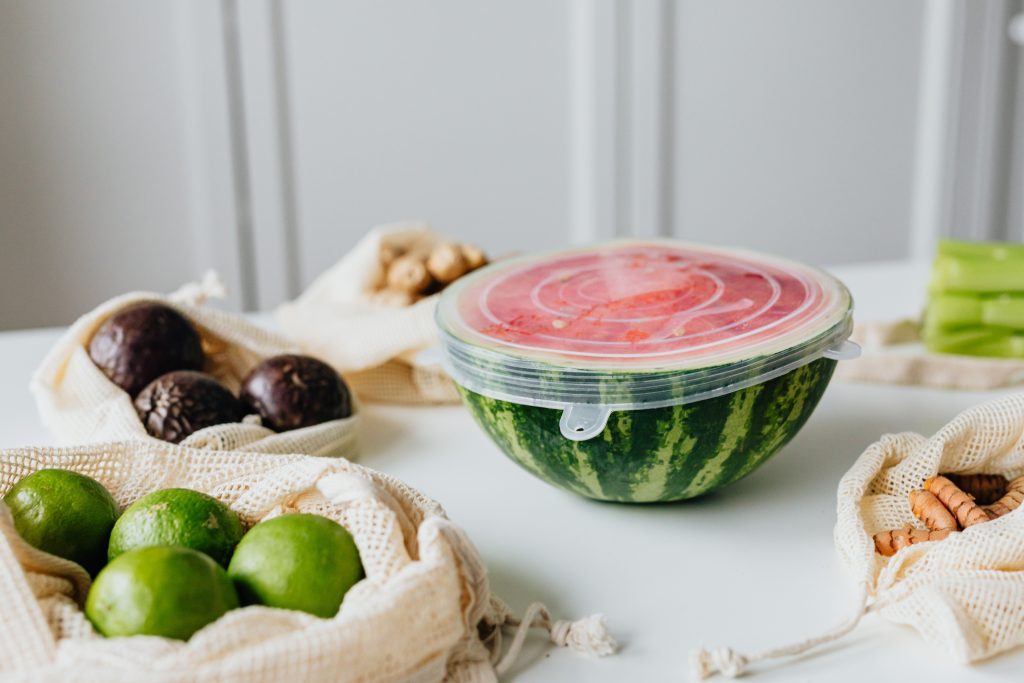
6. Stretchable Silicone Lids
Sometimes the food is already sitting in the bowl you want to store. Instead of transferring it to another container, a reusable silicone lid can cover the bowl directly.
Stretch lids come in several sizes and can fit bowls, cans, jars, and some cut fruits and vegetables.
They are especially helpful for households that regularly use plastic wrap simply to cover leftovers overnight. Measure your most-used bowls before purchasing a set so the lids actually fit.
7. Reusable Produce Bags
Reusable produce bags are useful for leafy greens, fruit, vegetables, and dry bulk purchases.
Mesh bags are convenient for shopping because cashiers can see what is inside. For refrigerator storage, breathable fabric bags may work better for certain produce.
Storage needs differ by fruit and vegetable, so avoid treating every reusable bag as an airtight container. Some produce benefits from airflow, while other foods keep better when moisture loss is limited.
8. Washable Bowl Covers
Fabric bowl covers are simple, low-tech, and surprisingly useful. Pull one over a bowl of dough, salad, fruit, snacks, or leftovers and remove it when you are ready to eat.
They work particularly well when an airtight seal is not necessary.
Look for machine-washable covers if you expect to use them regularly. Some people also make their own from leftover fabric, turning an old textile into something useful instead of buying another kitchen product.
9. Freezer-Friendly Reusable Containers
Freezing food is one of the easiest ways to rescue leftovers or ingredients you will not finish soon.
Reusable freezer containers help portion soups, sauces, fruit, bread, cooked grains, and prepared meals. Silicone bags and suitable glass containers are both useful, depending on what you are freezing.
Leave enough room for foods that expand as they freeze, especially liquids. Label each container with its contents and date so your freezer does not become a collection of mystery meals.
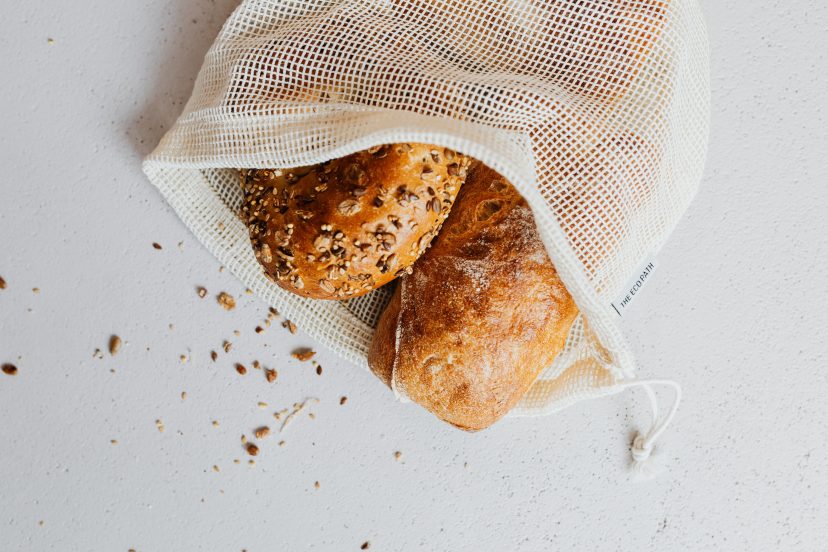
10. Reusable Bread Bags
Reusable bread bags are a practical alternative to disposable plastic bags for storing loaves, rolls, bagels, and other baked goods.
Many are made from washable cotton, linen, or coated fabric. Some also include a lining to help keep bread fresh longer.
Choose a bag that suits the type of bread you usually store, and let it dry completely after washing. With regular use, one reusable bag can replace many single-use bags.
How to Make Reusable Food Storage Last Longer
Reusable containers can last for years with a little care. These simple habits help keep them clean, functional, and worth using.
Wash Them Soon After Use
Rinse or wash containers shortly after eating, especially if they held oily foods, sauces, or strong-smelling ingredients.
Cleaning them promptly can keep stains and lingering smells from becoming harder to remove.
Let Everything Dry Completely
Make sure containers, lids, and silicone bags are fully dry before putting them away.
Trapped moisture can lead to unpleasant smells and make storage less hygienic.
Avoid Harsh Scrubbing
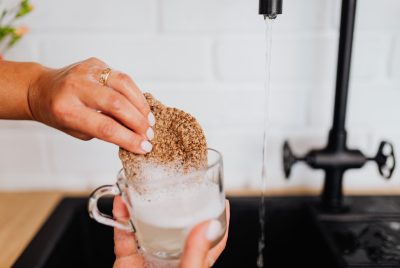
Use soft sponges or brushes instead of abrasive scrubbers unless the manufacturer says otherwise.
If food is stuck on the surface, let the container sit in warm water with a little dish soap before cleaning it.
Check Lids and Seals
Inspect lids, hinges, and silicone seals from time to time.
If one small part wears out, look for a replacement instead of throwing away the whole container.
Store Containers Carefully
Keep lids organized and avoid stacking heavy items on silicone bags or delicate containers.
Store glass containers where they are less likely to fall, chip, or crack.
Keep Using What Still Works
You do not need to replace containers just because they look old or mismatched.
Using reusable food storage for as long as it remains safe and functional is one of the simplest ways to reduce waste.
Conclusion
Eco friendly food storage does not require replacing every container in your kitchen or buying a cupboard full of products marketed as sustainable. Start with the disposable items you use most, then replace them with durable options that fit your routine. Glass containers, silicone bags, stainless steel boxes, wax wraps, jars, and reusable covers can all reduce reliance on single-use packaging when they are used consistently. Just as importantly, good storage makes food easier to see, organize, freeze, and finish before it spoils. The most sustainable container is ultimately one that suits its job, lasts well, and keeps earning its space in your kitchen.
FAQs
What is the most eco friendly food storage option?
No single food storage material works best for every home. Reusing containers you already own is a strong starting point. When you need something new, choose a durable product that fits your routine and can be used many times.
How does glass compare with plastic for food storage?
Glass is durable, easy to clean, transparent, and resistant to staining. Glass is more fragile and usually weighs more than plastic. A durable reusable plastic container may still be practical if you already own it and continue using it appropriately.
Are reusable silicone bags worth buying?
They can be worthwhile if they regularly replace disposable storage bags. Choose sturdy bags that are easy to wash, dry, and use for the foods you normally store.
How long do beeswax wraps last?
Their lifespan varies according to the product and how often it is used. Gentle washing and avoiding excessive heat can help preserve the wax coating. Replace the wrap when it no longer seals properly or becomes too worn for effective use.
Can reusable containers reduce food waste?
They can help when they make leftovers and ingredients easier to store, identify, portion, and freeze. Clear containers and simple labeling are especially useful for keeping track of food before it spoils.