10 Ways To Reduce Food Waste
We may earn a commission for purchases made using our links. Please see our disclosure to learn more.
Food waste adds up faster than most people realize. A few forgotten leftovers, wilted greens, or expired pantry items can quietly cost you money and create unnecessary waste. Learning how to reduce food waste starts with simple habits: planning meals, storing food properly, using leftovers creatively, and making the most of what you already have. In this guide, you’ll learn 10 practical ways to waste less food, save more money, and build a more sustainable kitchen without making your routine complicated.
Why Reducing Food Waste Matters
Food waste is more than a kitchen problem. It affects your budget, your community, and the planet.
According to the UNEP Food Waste Index Report 2024, households play a major role in global food waste. That means everyday habits at home can make a real difference.
Food also carries a hidden footprint. Water, land, labor, transport, packaging, and energy all go into growing and delivering it. When food ends up in the trash, all those resources go with it.
The FAO explains that food loss and waste contribute to greenhouse gas emissions, especially when organic waste breaks down in landfills. So, when you reduce waste, you are not just cleaning up your fridge. You are making choices that support cleaner, more responsible food habits.
And yes, you also keep more money in your pocket. That part feels pretty great too.
1. Plan Meals Before You Shop
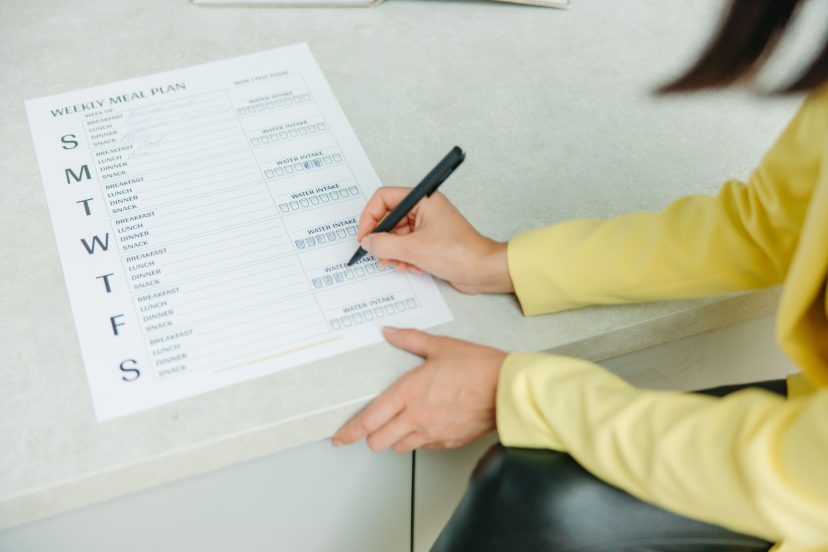
Meal planning sounds boring until you realize it saves you from buying three bunches of cilantro and using exactly seven leaves.
Before grocery shopping, take five minutes to look at what you already have. Check the fridge, freezer, pantry, and snack drawer. Then build your meals around ingredients that need to be used first.
You do not need a complicated weekly menu. A loose plan works fine.
2. Buy Only What You Can Realistically Use
Bulk buying can save money, but only when you actually use the food. A giant tub of salad greens is not a bargain if half of it goes slimy.
Be honest about your household’s habits. If your family eats bananas daily, buy the big bunch. If everyone likes the idea of kale more than the actual eating of kale, buy a smaller amount.
3. Store Food the Right Way
Good storage is one of the easiest ways to reduce food waste because it helps food last longer.
Some foods need airflow. Others need airtight containers. Some fruits release ethylene gas, which can speed up ripening in nearby produce. That is why bananas can make other fruits ripen faster.
For a more sustainable home overall, you can also pair kitchen habits with other eco-conscious swaps, like choosing eco-friendly bedding made with more mindful materials for your bedroom.
4. Understand “Best By” and Expiration Labels
Food date labels confuse a lot of people. In many cases, “best by” does not mean “unsafe after.” It usually refers to peak quality.
That does not mean you should ignore food safety. However, it does mean you can use your senses and judgment for many shelf-stable and refrigerated items.
5. Practice First In, First Out
Restaurants use a simple system called FIFO, which means “first in, first out.” You can use it at home too.
When you buy new groceries, move older items to the front and place newer items behind them. This works in the fridge, freezer, and pantry.
6. Love Your Leftovers Again
Leftovers get a bad reputation because people often reheat them exactly the same way. No wonder they feel boring.
Instead, think of leftovers as ingredients.
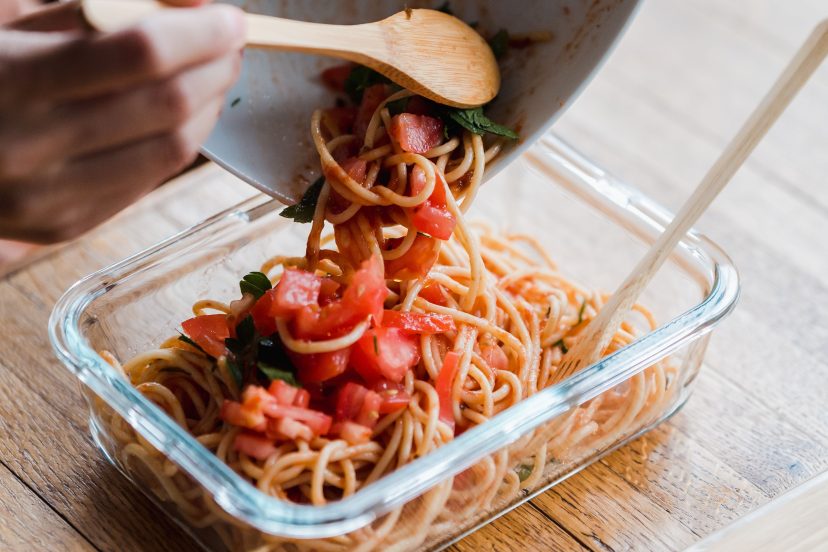
Roasted vegetables can become a wrap, omelet, soup, or grain bowl. Leftover chicken can become tacos, salad, fried rice, or pasta. Cooked potatoes can become breakfast hash. Extra rice can become rice pudding or stir-fry.
7. Freeze Food Before It Spoils
Your freezer is one of the best tools for reducing food waste. The key is using it before food reaches the danger zone.
Freeze bread, cooked grains, soup, sauces, chopped fruit, herbs, shredded cheese, cooked beans, and extra portions of meals.
8. Preserve Food When You Have Extra
Preserving food sounds old-fashioned, but it is incredibly practical.
You can pickle vegetables, dry herbs, make fruit compote, turn soft tomatoes into sauce, or blend extra greens into pesto. You can also dehydrate fruit or freeze smoothie packs.
9. Cook With Scraps
Many food scraps are not really scraps. They are flavor hiding in plain sight.
Vegetable peels, onion ends, carrot tops, celery leaves, herb stems, and mushroom stems can help make broth. Citrus peels can flavor vinegar or desserts. Stale bread can become croutons, breadcrumbs, or strata.
10. Share, Donate, or Compost What You Cannot Use
Sometimes, even with the best intentions, you end up with more food than you can eat. That is the time to share it.
Offer extra produce to a neighbor. Bring surplus baked goods to work. Share garden harvests. Check whether local food banks or community fridges accept unopened, safe food.
The EPA Wasted Food Scale ranks preventing wasted food and feeding people as more preferred options than disposal. That is a helpful reminder: the best use for edible food is feeding someone.
Recommended Products for Reducing Food Waste
The right tools can make it easier to store food, see what you have, and use ingredients before they spoil. These five product ideas can support a lower-waste kitchen.
1. Glass Food Storage Containers With Locking Lids
Glass containers are great for leftovers because they are durable, easy to clean, and clear enough to show what is inside. Locking lids help keep food fresh and reduce spills.
Use them for cooked grains, chopped vegetables, soups, sauces, and prepped lunches.
2. Vacuum Sealer Machine
A vacuum sealer helps remove air from packaging, which can slow freezer burn and help food stay fresher longer. It works well for bulk meat, cooked meals, chopped fruit, and freezer-ready vegetables.
This is especially useful if you buy family packs or meal prep in batches.
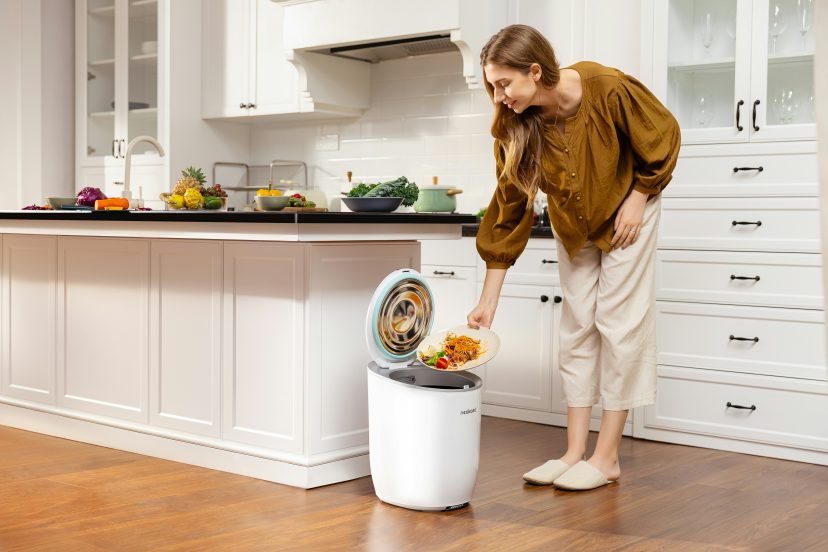
3. Countertop Compost Bin
A small compost bin keeps fruit and vegetable scraps contained until you move them to an outdoor pile, pickup bin, or drop-off site.
Look for one with a lid, easy-clean design, and odor-control filter if you keep it indoors.
4. Airtight Pantry Storage Containers
Airtight containers help protect dry goods from moisture and pests. They also make your pantry easier to scan.
Use them for rice, pasta, flour, oats, beans, lentils, cereal, nuts, and snacks.
5. Produce Saver Containers
Produce saver containers can help manage moisture and airflow around fruits and vegetables. They are especially helpful for berries, greens, herbs, and sliced produce.
They will not rescue produce forever, but they can buy you extra time.
Conclusion
Reducing food waste starts with simple, repeatable habits: planning meals before shopping, storing food properly, using leftovers with purpose, freezing extras, and composting what cannot be eaten. Each small step helps you save money, make better use of the food you buy, and lower your impact on the environment. When you learn to reduce food waste, you create a more mindful kitchen where less gets tossed, more gets enjoyed, and everyday choices support a more sustainable way of living.
FAQs
1. What is the easiest way to reduce food waste at home?
The easiest way is to check your kitchen before grocery shopping. Build meals around what you already have, especially foods that may spoil soon. This simple habit prevents duplicate purchases and helps you use ingredients before they go bad.
2. How can I reduce food waste if I do not meal plan?
Use a loose meal framework instead of a strict plan. Choose a few flexible meals like stir-fry, soup, pasta, tacos, or grain bowls. These meals let you use leftover vegetables, cooked proteins, herbs, and sauces without needing an exact recipe.
3. Are leftovers safe to eat?
Leftovers can be safe when stored properly and eaten within a reasonable time. Cool them quickly, store them in sealed containers, and keep them refrigerated. If leftovers smell strange, look moldy, or have an odd texture, throw them out.
4. Does composting count as reducing food waste?
Composting helps manage unavoidable scraps, but it does not prevent food waste. The best option is to buy, cook, and serve only what you need. After that, share edible food, then compost peels, cores, coffee grounds, and other scraps you cannot eat.
5. What foods are wasted most often?
Fresh produce, bread, cooked leftovers, dairy, and prepared meals often get wasted because they spoil quickly or get forgotten. Keeping these foods visible, labeling leftovers, and freezing extras early can help you use more of what you buy.