10 Upcycling Ideas to Reduce Household Waste
We may earn a commission for purchases made using our links. Please see our disclosure to learn more.
A chipped mug, empty pasta jar, or worn-out T-shirt may look like rubbish. With a little imagination, however, each item can become useful again. That is the appeal of upcycling: you give existing materials a new purpose instead of sending them straight to the bin. The best upcycling ideas do not require a room full of craft supplies. They solve everyday problems, reduce clutter, and help you avoid another purchase. Start with one project that suits your home, then build the habit gradually.
Why Upcycling Is Worth the Effort
Upcycling keeps useful materials in circulation. The U.S. Environmental Protection Agency recommends reducing and reusing before recycling because preventing waste usually saves more resources than processing discarded materials into new products.
The wider issue is growing quickly. The United Nations Environment Programme’s Global Waste Management Outlook 2024 estimates that municipal solid waste could rise from 2.1 billion tonnes in 2023 to 3.8 billion tonnes by 2050. Household projects will not solve that challenge alone, but they can reduce demand for new goods and make low-waste habits feel normal.Practical upcycling ideas can help you extend the life of everyday objects while reducing the need to buy new items.
10 Practical Upcycling Ideas for Your Home
The following upcycling ideas focus on useful projects you can complete with common household materials.
1. Turn Glass Jars Into Pantry Storage
Wash sauce, jam, and pickle jars, remove the labels, and use them for rice, spices, dried beans, snacks, or homemade cleaning powder. Simple labels can make mixed jars look organized.
Avoid cracked glass, and do not use ordinary food jars for pressure canning unless they were designed for it. This project also fits naturally into a broader zero-waste lifestyle.
2. Make Cleaning Rags From Old Clothes
Old cotton T-shirts, towels, pajamas, and flannel shirts make excellent cleaning cloths. Cut them into manageable squares and keep separate sets for the kitchen, bathroom, and dusty jobs.
You can leave knit T-shirt edges unfinished because they rarely fray much. This swap reduces textile waste and your reliance on paper towels.
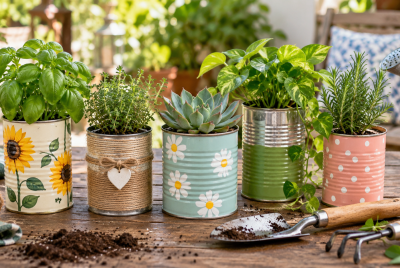
3. Convert Tin Cans Into Organizers
Clean tin cans can hold pens, paintbrushes, wooden spoons, screws, or craft supplies. Cover sharp edges carefully, then decorate the outside with leftover paper, fabric, twine, or paint.
For a polished result, group several cans on a scrap-wood base. The finished organizer works well on a desk, workbench, or kitchen counter.
4. Reuse Wooden Crates as Shelving
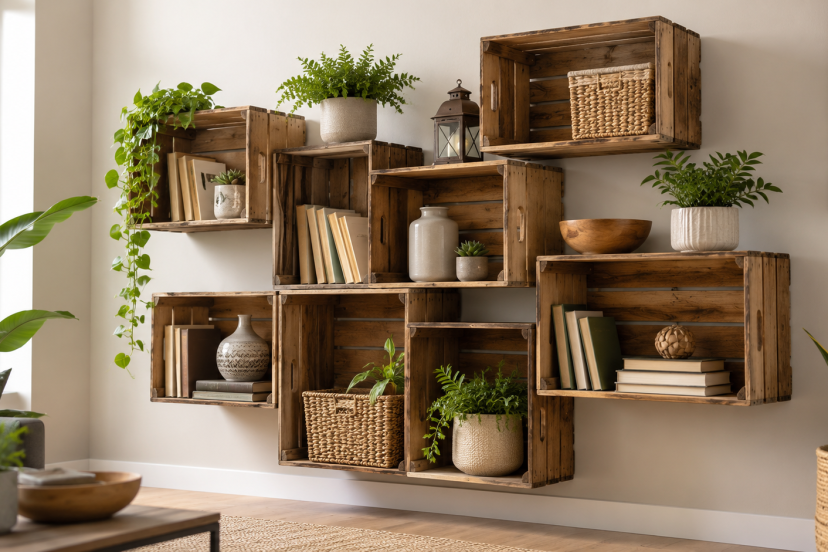
Sturdy produce crates or wine boxes can become wall shelves, plant stands, bedside storage, or stackable cubbies. Sand rough areas, tighten loose joints, and use hardware rated for the wall and expected load.
Decorative crates are not always strong enough for heavy books or appliances. For more inspiration, browse these eco-friendly home decor ideas featuring durable, reclaimed, and secondhand materials.
5. Turn Fabric Scraps Into Reusable Gift Wrap
Large fabric remnants, scarves, pillowcases, and outgrown shirts can replace disposable wrapping paper. Tie the fabric with ribbon, jute, or another strip of cloth.
Smaller scraps can become gift tags, bows, bunting, or padded ornaments. Keep the materials in one basket so they stay clean and easy to find.
6. Make Planters From Household Containers
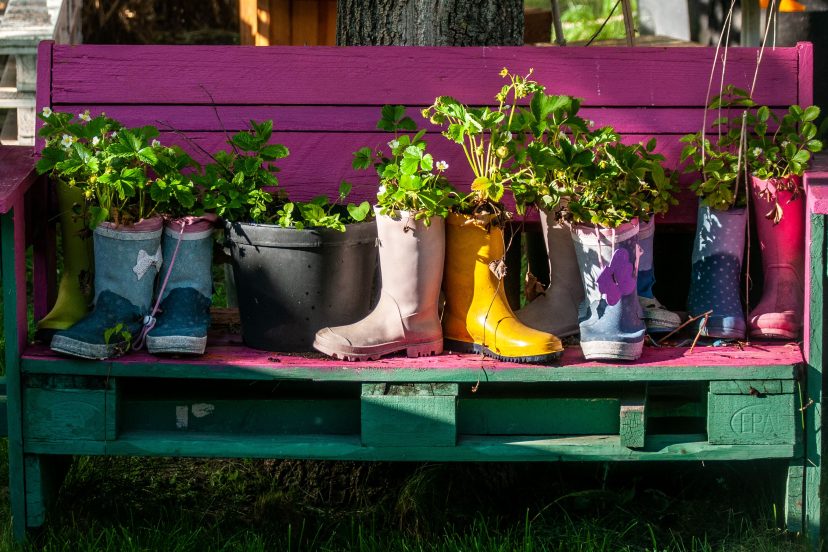
Coffee tins, sturdy food tubs, teapots, colanders, and wooden drawers can become planters. Add drainage holes where possible, then choose plants that suit the container depth and available light.
Use a nursery pot inside containers that cannot be drilled. Never grow edible herbs in vessels that previously held paint, chemicals, oil, or unknown substances.
7. Transform a Ladder Into Vertical Storage
An old wooden ladder can become a blanket rack, towel rail, plant display, or hanging organizer. Clean it, sand splinters, and secure it to the wall if children or pets could knock it over.
This idea works especially well in small rooms because it uses vertical space without adding a bulky cabinet.
8. Refresh Furniture With Paint or Fabric
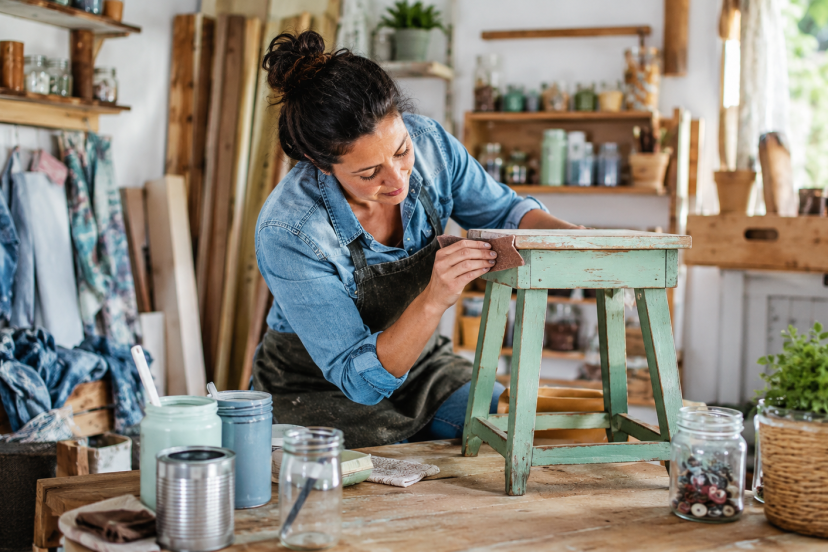
A scratched stool, dated side table, or worn dining chair may only need a surface update. Clean the piece, repair loose joints, sand when required, and choose a finish suitable for the material.
For upholstered seats, replace stained fabric with durable curtain remnants, denim, canvas, or leftover upholstery cloth. Repair structural problems before focusing on appearance.
9. Turn Cardboard Into Drawer Dividers
Shoe boxes, shipping cartons, and cereal boxes can become custom drawer organizers. Measure the space, cut strips to size, and slot them together to separate socks, cables, utensils, or craft supplies.
Cover the cardboard with leftover wrapping paper for a neater finish. Keep it dry and replace it when it becomes bent or dirty.
10. Create a Scrap-Wood Charging Station
Small wood offcuts can become a stand for phones, watches, earbuds, and charging cables. Sand the wood, cut cable openings, and add a shallow ledge or divider.
Keep devices ventilated and avoid enclosing power adapters in tight compartments. The goal is tidy storage, not trapping heat-producing electronics.
Why Upcycling Matters for Waste Reduction
The EPA’s waste-management hierarchy places source reduction and reuse above recycling and disposal. Manufacturing new goods requires raw materials, energy, processing, and transportation. Therefore, extending an item’s useful life can reduce some of that environmental demand.
The UNEP Global Waste Management Outlook 2024 also highlights the importance of waste prevention and circular systems. Its findings support a practical approach: keep useful materials in circulation for as long as possible, while avoiding unnecessary consumption in the first place.
However, upcycling works best when you use materials you already own. Buying several new supplies for a single “eco-friendly” craft can undermine the purpose. Instead, borrow occasional tools and invest only in durable equipment you expect to use for future repairs and projects. These upcycling ideas can also help you decide which household items are worth saving, reworking, or recycling.
Useful Products for Your Next Upcycling Project
Gorilla Dual Temp Mini Hot Glue Gun Kit
This compact glue gun works well for small repairs, cardboard crafts, fabric accents, and decorative projects. Its two temperature settings provide more control when working with different materials. Always use it on a heat-resistant surface and keep hot glue away from children.
Fiskars RazorEdge Softgrip Scissors
These sharp fabric scissors cut through denim, upholstery remnants, old clothing, and layered textiles with less snagging. Reserve them for fabric, since cutting wire, metal, or thick cardboard can quickly dull the blades.
Rust-Oleum Chalked Ultra Matte Paint
This matte paint can give worn furniture, frames, shelves, and wooden boxes a clean, updated finish. Prepare smooth or glossy surfaces as directed, follow the product instructions, and work in a well-ventilated space.
Arrow T50 Heavy Duty Staple Gun
This sturdy tool is useful for basic upholstery projects and securing fabric or lightweight backing to wood. Choose the correct staple size, wear eye protection, and keep your fingers clear of the firing area.
Fiskars Self-Healing Cutting Mat
This 18-by-24-inch mat protects tables while you cut fabric, paper, cork, and other thin craft materials. The printed grid also makes measuring and lining up cuts easier. Store the mat flat and keep it away from direct heat.
Conclusion
The most useful upcycling ideas begin with a simple question: “What job could this item do next?” A jar can organize a pantry, an old shirt can replace paper towels, and a tired chair can become a piece you enjoy using again. Start small and focus on function. Use materials already in your home, choose safe projects, and buy tools only when they will support many repairs or makeovers. Upcycling will not eliminate household waste overnight, but it can help you consume more thoughtfully and build a practical low-waste home.
FAQs
What Is the Difference Between Upcycling and Recycling?
Upcycling changes a discarded item into something useful without breaking it down completely. Recycling usually processes waste into raw material. Turning a jar into storage is upcycling; sending it to a glass-recycling facility is recycling.
Which Household Items Are Good for Upcycling?
Glass jars, cardboard boxes, cotton clothing, tin cans, wooden crates, and sturdy furniture are good starting points. Choose clean materials that can perform a useful function safely.
Can Upcycling Actually Reduce Household Waste?
Yes, especially when it replaces a purchase or keeps a usable item out of the trash. The benefit becomes smaller when a project requires many new materials that you will not use again.
How Do I Avoid Creating More Clutter?
Begin with a clear purpose. Decide where the finished item will go and how often you will use it. Do not save every container “just in case.”
Is Every Discarded Item Safe to Upcycle?
No. Avoid containers that held pesticides, solvents, motor oil, or unknown chemicals. Do not reuse cracked glass, moldy wood, damaged electrical parts, or materials with peeling lead-based paint.