10 Easy Recycling at Home Tips for Less Waste
We may earn a commission for purchases made using our links. Please see our disclosure to learn more.
Recycling should feel like a simple household habit. Yet confusing symbols, changing local rules, and mixed-material packaging can make even an empty yogurt cup surprisingly difficult to sort. The good news is that recycling at home becomes much easier once you create a clear system. You do not need an elaborate zero-waste setup or a row of expensive containers. A few well-placed bins, accurate local information, and better purchasing habits can prevent common mistakes. These ten practical tips will help you sort household materials correctly, reduce contamination, and send less waste to the trash.
Why Better Home Recycling Matters
Recycling conserves raw materials and keeps useful resources in circulation. According to the EPA’s overview of recycling benefits, it can also save energy and reduce waste sent to landfills and incinerators.
However, putting an item in a recycling bin does not guarantee that someone can recycle it. Facilities need materials that their equipment and local markets can process. Food residue, plastic bags, and incorrect objects can interfere with that process.
Research also shows that convenience and clear instructions influence household participation. A 2023 systematic review of household recycling behavior found that recycling depends on a mix of practical, social, and individual factors. In other words, designing an easy routine can make a meaningful difference.
1. Learn What Your Local Program Accepts
Start by checking the website of your municipal waste department or recycling provider. Accepted materials can vary considerably between communities, even when homes use similar collection bins.
Look for specific guidance on:
- Plastic containers and accepted resin numbers
- Glass bottles and jars
- Aluminum and steel cans
- Paper, cartons, and cardboard
- Caps, lids, and labels
- Collection schedules
Save the official list on your phone or print a copy for the kitchen. Check it again when your provider announces a change.
The recycling symbol on packaging only identifies the material or suggests recyclability. It does not prove that your curbside program accepts the item.
2. Put Your Recycling Bin Where Waste Happens
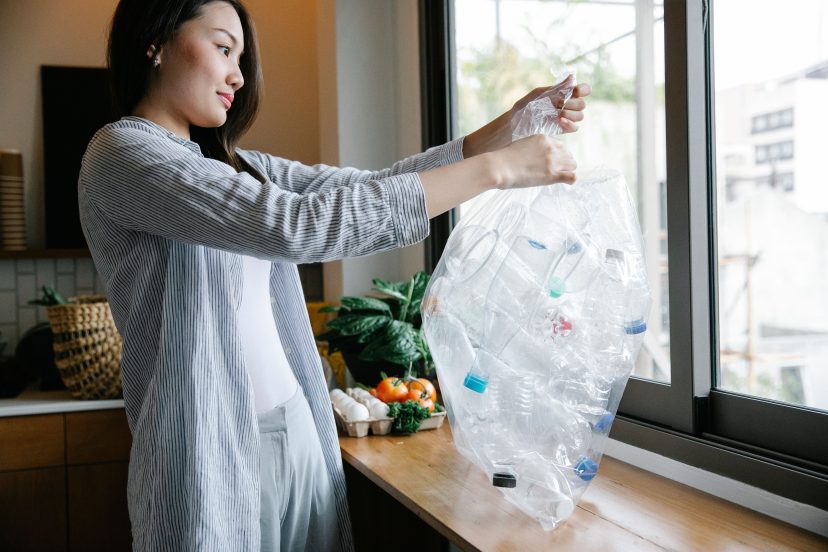
Convenience turns good intentions into consistent behavior. Place your primary recycling container beside the kitchen trash can rather than in a garage, laundry room, or distant outdoor area.
You can also add smaller collection points where particular materials accumulate. A paper bin beside your desk catches mail and office paper, while a small container near the entryway can hold eligible deposit bottles.
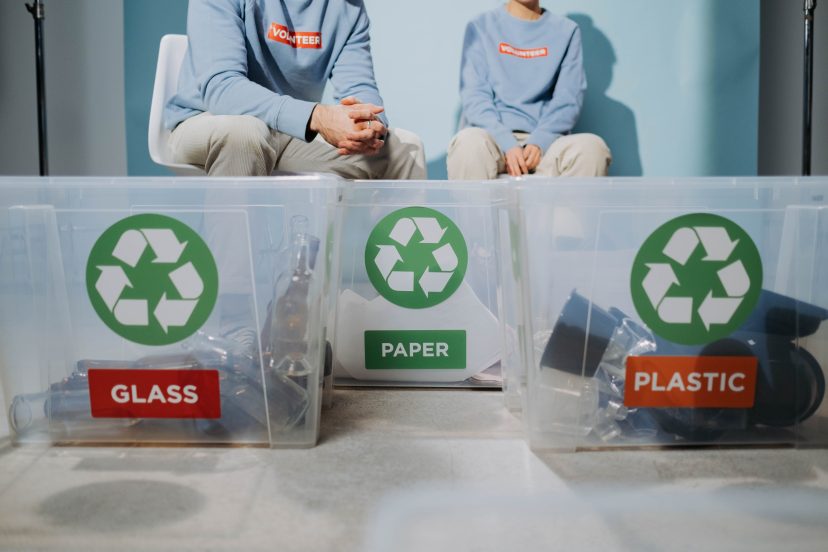
If your program requires separation, label each section clearly. Simple words such as “paper,” “containers,” and “trash” work better than vague symbols alone.
3. Keep Recyclables Empty, Clean, and Dry
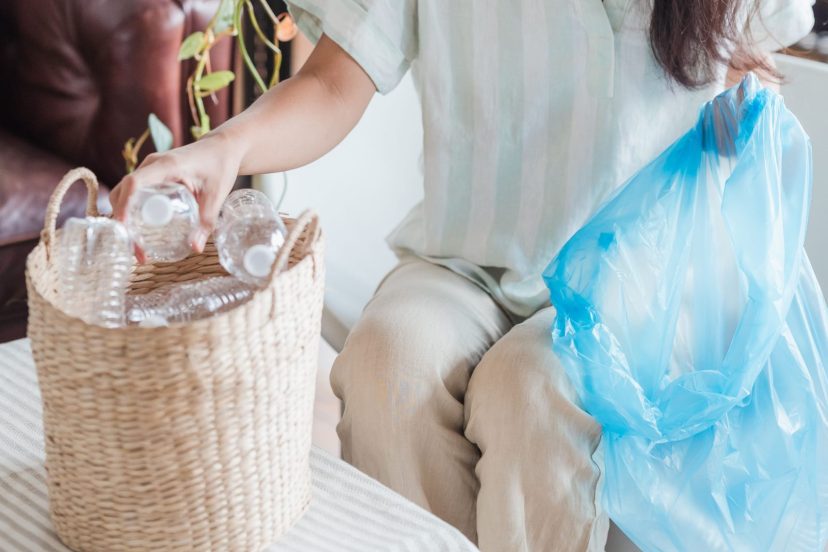
Food and liquid can spoil paper, create odors, attract pests, and reduce the quality of collected material. Before recycling a jar, bottle, or can, empty its contents and give it a quick rinse.
You do not need to scrub every container until it looks new. Use leftover dishwater or a small amount of water to remove visible residue, then let the item drain.
Greasy paper and cardboard deserve special attention. A clean pizza-box lid may be recyclable, while a heavily stained base may need to go in the trash or compost, depending on local rules.
4. Avoid “Wish-Cycling”
Wish-cycling means putting a questionable object in the bin and hoping the facility can recycle it. Although the intention sounds positive, incorrect items can contaminate loads or create problems for sorting equipment.
When you are uncertain, check your provider’s rules. If you still cannot confirm that an item belongs in the bin, leave it out.
Common curbside troublemakers include:
- Disposable cups with plastic linings
- Foam packaging
- Plastic utensils
- Broken drinking glasses
- Garden hoses
- Diapers and paper towels
- Packaging made from several bonded materials
Adding a nonrecyclable object does not give it a better chance. It simply transfers the disposal decision to workers at the facility.
5. Keep Plastic Bags Out of Curbside Bins
Plastic shopping bags, bread bags, produce bags, and flexible wraps often tangle around sorting machinery. Most curbside programs therefore exclude them, even when the plastic displays a recycling symbol.
Collect clean, dry film in a separate bag and look for a participating store drop-off. Confirm the program’s accepted materials before visiting because not every flexible plastic qualifies.
Better still, reduce the amount entering your home. Keep reusable shopping and produce bags near the door, in your everyday bag, or inside your vehicle. That approach supports a broader zero-waste lifestyle by preventing waste before it reaches the sorting stage.
6. Flatten Cardboard and Keep It Dry
Break down delivery boxes, cereal cartons, and other eligible cardboard. Flattening them saves room in your indoor station and collection cart.
Remove plastic air pillows, foam blocks, and excessive tape when your local guidance requests it. If a box has a small amount of ordinary tape, many programs can still process it, but local instructions should take priority.
Store cardboard somewhere dry until collection day. Wet fibers lose strength and may stick to other materials, making them less useful to paper recyclers.
7. Create a Separate Box for Special Items
Batteries, electronics, paint, chemicals, light bulbs, and propane cylinders should not go into an ordinary curbside bin. Some can cause fires, leak hazardous substances, or damage equipment.
Create a secure holding area for these special materials. Keep batteries away from children and pets, cover exposed terminals when directed, and retain chemicals in their original labeled containers.
Once the box begins to fill, use a municipal drop-off center, retailer take-back service, or scheduled household hazardous-waste event. Never combine unidentified chemicals or leave leaking containers unattended.
8. Compost Suitable Food and Yard Waste
Recycling at home should extend beyond bottles and cardboard. Fruit and vegetable scraps, coffee grounds, eggshells, dry leaves, and untreated plant trimmings can become compost rather than landfill waste.
A covered countertop container makes it easy to collect scraps while cooking. You can then transfer them to an outdoor pile, tumbler, worm bin, or community collection program.
Not sure where to begin? This practical guide to composting for beginners explains suitable materials and basic setup options. Always check local rules before placing products labeled “compostable” in a municipal organics bin.
9. Reuse and Repair Before You Recycle
Recycling still requires collection, sorting, transportation, and processing. Reusing a functional item usually preserves more of the energy and materials already invested in it.
Before discarding something, ask whether you can:
- Repair it
- Refill it
- Donate it
- Sell it
- Repurpose it
- Offer it through a neighborhood sharing group
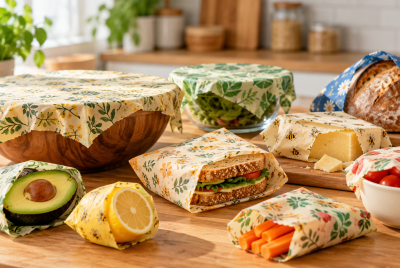
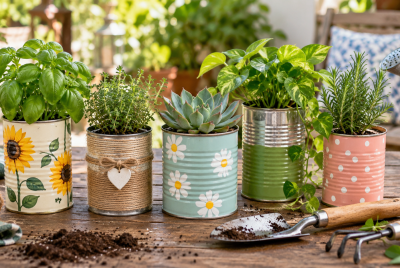
Glass jars can organize small items, sturdy shipping boxes can hold donations, and worn textiles may work as cleaning cloths. However, avoid saving more containers than you can realistically use. Uncontrolled clutter only postpones disposal.
10. Reduce Packaging Before It Enters Your Home
The easiest material to sort is the material you never bring home. When practical, choose durable goods, refillable containers, concentrated products, and packaging made from one clearly identified material.
Compare the whole purchase rather than relying on green-looking labels. A reusable item only reduces waste when you use it enough times to replace disposable versions.
Buy what fits your actual routine, finish products before replacing them, and carry a reusable bottle, cup, or shopping bag when convenient. Recycling works best as part of a wider strategy: reduce first, reuse what remains, and recycle correctly at the end.
Helpful Products for Easier Home Recycling
The right setup can make sorting quicker and reduce mistakes. Choose products that fit your space and local recycling rules.
simplehuman 46-Liter Dual Compartment Recycler
Two removable compartments keep trash and recyclables separate in one streamlined can. It is ideal for kitchens with limited floor space.
Rubbermaid Commercial 14-Gallon Stackable Recycling Bin
This durable, open-front bin stays accessible when stacked. Use several to separate paper, cans, and bottles in a garage or utility room.
Joseph Joseph Totem Max 60-Liter Recycling Bin
A vertical, divided design provides space for trash, recycling, and food scraps without a wide footprint. It suits apartments and compact kitchens.
Lily Queen Reusable Recycling Bags
These lightweight, freestanding bags make sorting and carrying recyclables easy. They fold for storage, making them a flexible choice for renters or smaller homes.
Standardized Recycling Labels
Clear words and images help everyone sort waste correctly. Match each label to the materials accepted by your local recycling program.
Conclusion
Successful recycling at home depends less on perfection than on a system you can follow every day. Start with local rules, convenient bins, and clean materials. Then create separate routes for plastic film, electronics, batteries, and organic waste.
Most importantly, do not treat the recycling bin as the solution to every disposable product. Reduce unnecessary packaging and reuse useful items first. When you combine those habits with careful sorting, less waste leaves your home—and more of what does leave has a realistic chance of becoming something useful again.
FAQs
What items can I recycle at home?
Many programs accept clean paper, flattened cardboard, metal cans, and certain bottles, jars, or rigid plastic containers. Exact rules vary, so use your local provider’s list rather than relying solely on packaging symbols.
Should containers be rinsed before recycling?
Empty containers and rinse away visible food or liquid. They do not need to be spotless, but they should be clean enough not to contaminate paper or attract pests.
Can recyclables go into a plastic bag?
Many curbside programs require recyclables to remain loose because plastic bags can obstruct sorting equipment. Follow your collector’s instructions and use store drop-offs for eligible film plastic.
How should I handle an item I cannot identify?
Search your local recycling directory or contact the collection provider. If you cannot verify acceptance, keep the item out of the curbside bin and investigate a specialty recycling option.
Is recycling at home worth the effort?
Yes, when households sort accepted materials correctly. Recycling at home conserves resources and diverts waste, while reducing and reusing items can prevent even more waste upstream.