10 Zero-Waste Bathroom Swaps That Cut Plastic Instantly
We may earn a commission for purchases made using our links. Please see our disclosure to learn more.
Most bathrooms create more plastic waste than we realize. Toothpaste tubes, shampoo bottles, disposable razors, cotton pads, floss containers, and cleaning sprays are replaced often, so the waste adds up quickly. A zero-waste bathroom helps reduce that problem with simple, practical swaps. This guide covers 10 easy changes that can cut plastic right away without making your daily routine harder.
Why a Zero-Waste Bathroom Matters
Bathrooms create a lot of waste because many personal care products come in single-use or hard-to-recycle packaging. A bottle of shampoo can run out in about a month. A toothbrush may last three months. A disposable razor may last only a few shaves. None of these items look dramatic in the trash, but over time, they become part of a much larger plastic problem.
The OECD reports that short-lived plastic products, including packaging and consumer goods, remain a major part of global plastic waste. Its Global Plastics Outlook highlights how plastic waste continues to grow without stronger changes in design, reuse, and waste management.
UNEP also points to reuse, refill systems, reduced unnecessary plastic, and better product design as key parts of cutting plastic pollution. That makes the bathroom a smart place to start because so many bathroom products already have lower-waste versions available.
1. Swap Plastic Toothbrushes for Bamboo Toothbrushes
A bamboo toothbrush is one of the easiest zero-waste bathroom swaps because it does not change the habit itself. You still brush your teeth the same way. The main difference is the handle.
Most bamboo toothbrushes use a bamboo handle with nylon bristles. That means they are not always 100% compostable, but they usually reduce the amount of plastic compared with a fully plastic toothbrush.
Look for soft bristles, smooth edges, and minimal packaging. If you plan to compost the handle, remove the bristles first unless the brand says otherwise.
This is a good first swap because it is affordable, familiar, and easy to find.
2. Replace Toothpaste Tubes With Toothpaste Tablets
Toothpaste tubes are difficult to recycle in many areas because they often combine plastic, foil, and other materials. Toothpaste tablets reduce that packaging problem.
To use them, chew one tablet, wet your toothbrush, and brush as usual. The texture feels different at first, but many people adjust after a few days.
If you rely on fluoride, check the label carefully. Some tablets contain fluoride, while others do not. A zero-waste bathroom should still support your dental health, so choose a product that fits your needs.
Toothpaste tablets also work well for travel because they are compact, lightweight, and mess-free.
3. Use Shampoo Bars Instead of Bottled Shampoo
Shampoo bars are concentrated bars that replace liquid shampoo in plastic bottles. They usually come in paper or cardboard packaging, and one bar may last as long as one or more bottles.
The key is finding the right bar for your hair. Lightweight formulas often work better for fine hair. Dry or curly hair may need something more moisturizing. Oily hair may do better with a clarifying bar.
After use, keep the bar dry. A draining soap dish or shower shelf helps it last longer. If it sits in water, it can soften and disappear faster than expected.
This swap is especially useful because shampoo bottles take up space and often get replaced frequently.
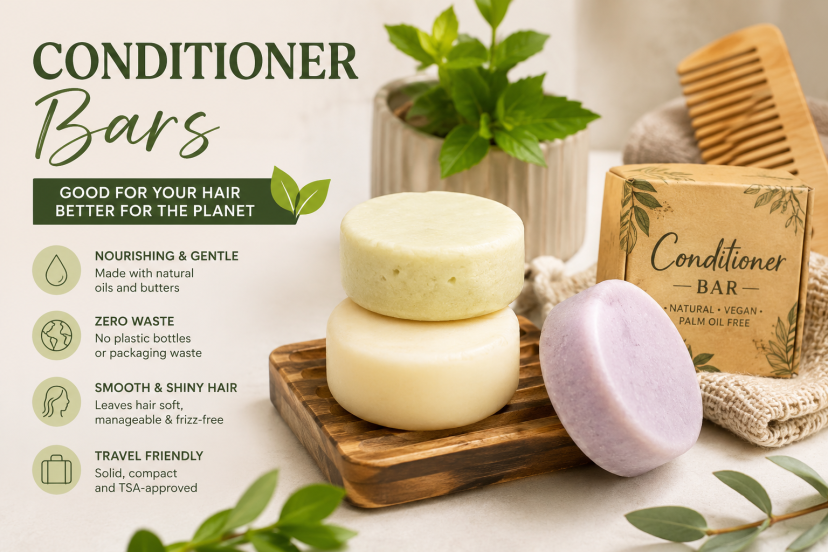
4. Try Conditioner Bars or Refillable Conditioner
Conditioner bars can reduce plastic, but they may take more patience than shampoo bars. Instead of creating instant slippery cream, they need warm water and a little time to soften.
To use one, glide it over wet hair or rub it between wet hands, then work the product through the ends. Leave it on briefly before rinsing.
If conditioner bars do not work for your hair, try a refillable conditioner. Some brands sell aluminum bottles, refill pouches, or concentrates. Local refill shops may also offer conditioner by weight.
This is where flexibility matters. The most sustainable swap is the one you will keep using.
5. Trade Body Wash for Bar Soap
Bar soap is simple, effective, and widely available. It usually uses far less packaging than bottled body wash and often lasts longer.
Choose a gentle bar if your skin gets dry or irritated. Look for simple ingredients and avoid heavy fragrance if your skin is sensitive.
To make the bar last, store it on a soap dish that drains well. You can also use a soap saver bag for small leftover pieces. Those tiny soap ends may look useless, but together they can still give you several more washes.
This is one of the fastest ways to remove plastic from your shower routine.
6. Replace Disposable Razors With a Safety Razor
Disposable razors and plastic cartridge systems create ongoing waste. A safety razor uses a durable handle and replaceable metal blades, so you throw away much less.
There is a small learning curve. Use short strokes, light pressure, and shaving soap or cream with good glide. Avoid pushing down; let the razor’s own weight guide the shave.
Store used blades in a blade bank or small metal container. When it fills up, check your local recycling options for safe disposal.
A safety razor can cost more upfront, but it often saves money over time because replacement blades are inexpensive.
7. Use Reusable Cotton Rounds
If you use disposable cotton pads for toner, micellar water, or makeup removal, reusable cotton rounds are an easy upgrade.
Keep clean rounds in a small jar or basket near the sink. After use, place them in a mesh laundry bag so they do not vanish in the wash. Wash them with towels or regular laundry, then reuse them.
Choose soft rounds for eye makeup and sensitive skin. Thicker rounds work well for cleansing, while thinner ones suit toner.
This swap is simple, but it can remove a steady stream of daily waste from your bathroom.
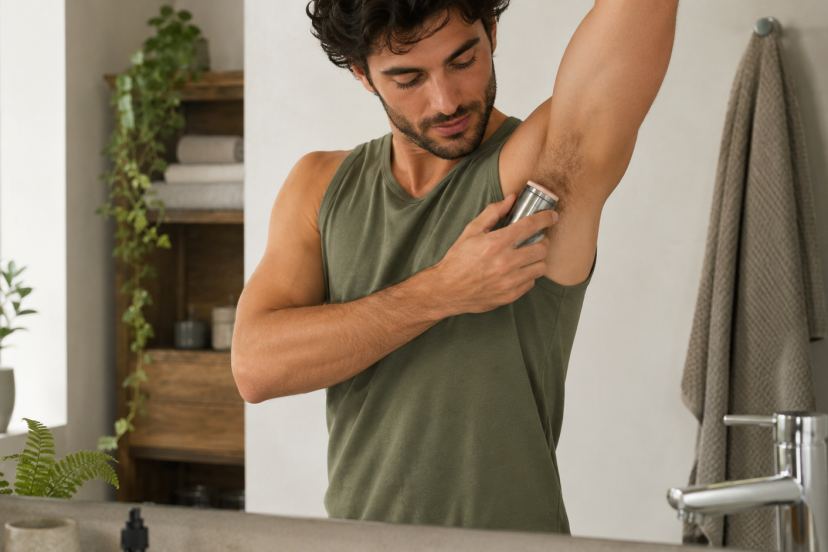
8. Choose Plastic-Free or Refillable Deodorant
Most deodorants come in plastic twist-up tubes. Plastic-free versions may come in cardboard tubes, tins, glass jars, or refillable cases.
This swap can take trial and error because deodorant depends on your skin, sweat level, fragrance preference, and climate. If baking soda irritates your skin, look for a baking-soda-free option.
A refillable deodorant case can be a good choice if you like the feel of a traditional stick but want less packaging. Cardboard tubes are usually lighter and simpler, though they can feel less polished.
Do not force a deodorant that causes irritation. Low waste should not mean uncomfortable.
9. Switch to Refillable Bathroom Cleaners
Bathroom cleaning sprays often come in plastic bottles that get tossed when empty. Instead, keep one sturdy spray bottle and refill it with tablets, concentrates, or bulk cleaner.
Cleaner tablets are small and easy to store. You drop one into water, let it dissolve, and use the same bottle again. Concentrates work in a similar way and reduce the need to ship heavy water-based cleaners.
Always follow product directions. Also, avoid mixing cleaning products unless the label clearly says it is safe. Bleach, ammonia, vinegar, and other cleaners can create harmful fumes when combined incorrectly.
This swap helps reduce plastic under the sink without changing how you clean.
10. Try Plastic-Free or Refillable Floss
Floss containers are small, but they are another repeat plastic item. Plastic-free floss often comes in glass or metal containers with refill spools.
Some floss uses silk, while other options use plant-based or synthetic fibers with reduced packaging. If you have tight teeth, braces, bridges, or sensitive gums, choose floss that works for your dental needs first.
A refillable container is a practical middle ground. You keep the case and replace only the floss inside.
It is a small swap, but zero-waste living often works best through small habits repeated consistently.
Recommended Products for a Lower-Waste Bathroom
The best zero-waste bathroom products are easy to use, durable, and realistic for your routine. Here are five product ideas worth considering.
1. Bamboo Toothbrush Multi-Pack
A bamboo toothbrush multi-pack is a budget-friendly starting point, especially for families. Look for soft bristles, plastic-free packaging, and handles that feel comfortable to hold.
2. Bite Toothpaste Bits
Bite Toothpaste Bits are a popular tube-free toothpaste option. They work well for travel, small bathrooms, and anyone who wants to avoid traditional toothpaste tubes.
3. Ethique Solid Shampoo Bar
Ethique shampoo bars are compact and designed to replace bottled shampoo. Choose the formula based on your hair type, such as dry, oily, frizzy, fine, or color-treated hair.
4. Bambaw Double Edge Safety Razor
A stainless steel safety razor like the Bambaw Double Edge Safety Razor can replace disposable razors and plastic-heavy cartridge systems. Pair it with a blade bank for safe used-blade storage.
5. Reusable Makeup Remover Pads
Washable facial pads offer a reusable option for applying toner, wiping away cleanser, and removing cosmetics. A set with a mesh laundry bag makes washing easier.
How to Build a Zero-Waste Bathroom Without Buying Everything at Once
You do not need to throw away every plastic item today. In fact, that would create more waste. Use what you already have first, then replace items as they run out.
Begin with the item you replace most frequently. For many people, that is shampoo, body wash, razors, or cotton rounds. Once that swap feels normal, move to the next one.
For more everyday low-waste ideas, read this guide to reusable items that help reduce waste. The same idea applies in the bathroom: reuse what you can, choose durable products, and avoid buying things you will not actually use.
Conclusion
A zero-waste bathroom does not happen in one big dramatic makeover. It happens through practical swaps that fit your real routine. Start with simple changes like bar soap, bamboo toothbrushes, reusable cotton rounds, or shampoo bars. Then try refillable cleaners, plastic-free floss, safety razors, and lower-waste deodorant as your current products run out. Each swap may look small, but together they reduce repeat plastic and make your bathroom feel simpler, cleaner, and more intentional.
FAQs
1. What is a zero-waste bathroom?
A zero-waste bathroom reduces disposable products, plastic packaging, and single-use items. It often includes reusable, refillable, compostable, or plastic-free alternatives.
2. Which bathroom product should I replace first to reduce waste?
Bar soap is often the easiest swap because it is affordable, familiar, and widely available. Bamboo toothbrushes and reusable cotton rounds are also simple starting points.
3. How does solid shampoo differ from liquid shampoo?
Shampoo bars can reduce plastic packaging and last a long time. However, the right choice depends on your hair type, scalp needs, and the formula you choose.
4. Do zero-waste bathroom products cost more?
Some cost more upfront, especially safety razors or refillable containers. Over time, many reusable products can save money because you buy fewer disposables.
5. How do I start a zero-waste bathroom on a budget?
Finish the products you currently have before buying replacements. Then replace one item at a time with a lower-waste option. Start with affordable swaps like bar soap, bamboo toothbrushes, or reusable cotton rounds.