
Kitchen Counter Compost Bin Reviews & Top Picks
We may earn a commission for purchases made using our links. Please see our disclosure to learn more.
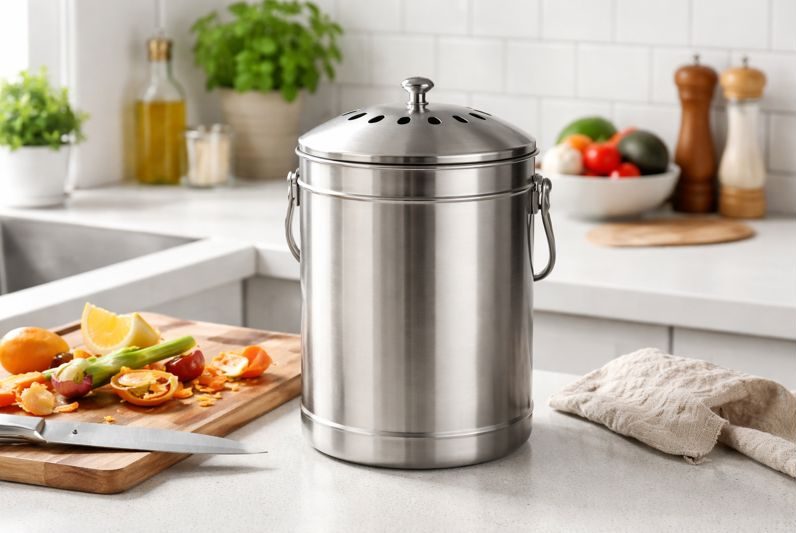
A kitchen counter compost bin makes it easy to reduce food waste without changing how you cook. It sits within arm’s reach, collects everyday scraps, and keeps odors under control so composting becomes a simple part of your routine. Whether you’re trying to live more sustainably or want a cleaner way to manage food waste, the right countertop bin helps you stay organized and eco-friendly with minimal effort. This guide reviews the top options, breaks down what features matter most, and shares research-backed insights to help you choose the best bin for your home.
Why a Kitchen Counter Compost Bin Makes Sustainable Living Easier
A countertop compost bin removes the biggest friction point of composting: walking scraps outside every single time. Instead, you collect them in one stylish, sealed container that sits right where you cook. From onion skins and coffee grounds to fruit peels and leftover herbs, everything has a place to go.
What people love most is how seamlessly it fits into their daily routine. You’re not thinking about “being eco-friendly”—you’re simply cooking, tossing scraps into the bin, and carrying on. It becomes a natural part of kitchen flow.
And because most modern compost bins focus heavily on odor-management, the idea that “composting smells bad” no longer holds up. High-quality charcoal filters, tight-fitting lids, and ventilated designs dramatically limit unwanted smells.
From a sustainability perspective, countertop composting:
- Cuts landfill waste
- Reduces methane emissions
- Supports home gardening
- Makes sustainable habits accessible
Even if you only compost a portion of your scraps, studies show it has a measurable impact. A publication in Waste Management notes that food scraps make up a large percentage of household trash, and diverting them significantly decreases the strain on local waste systems. Another review in Environmental Science & Technology highlights that small-scale composting reduces methane in landfills—one of the most potent greenhouse gases.
What to Look for in a Kitchen Counter Compost Bin
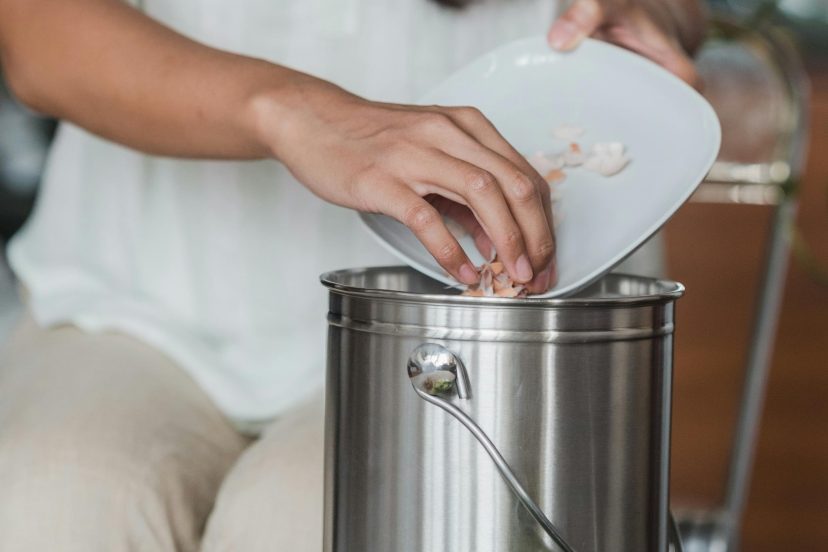
Choosing the right bin comes down to a mix of function, design, and practicality. Some people want something sleek and stainless steel. Others prefer a rustic wooden style. What matters is ease of use—and whether it keeps your kitchen smelling fresh.
Odor Management
This is the feature most buyers care about.
Look for:
- Activated charcoal filters
- Tight-seal or soft-close lids
- Ventilation to reduce moisture buildup
These factors keep the air fresh without requiring constant filter changes.
Material Durability
Stainless steel is the most common and long-lasting option. But ceramic and bamboo composite bins, while heavier, offer a more organic visual appeal.
Common materials include:
- Stainless steel – durable, odor-resistant, modern look
- Ceramic – stylish, weight prevents tipping
- Bamboo/wood + steel hybrid – aesthetic, warm texture
Capacity and Size
Most countertop compost bins range from 1 to 1.5 gallons, which works well for a couple of people. Larger families might want 1.6–2 gallons, depending on how often they cook.
Ease of Cleaning
Look for bins with removable buckets or smooth interiors. Stainless steel models with seamless walls prevent residue from sticking.
Filter Type
Charcoal filters vary dramatically. Some require weekly changes, while others can last months. The best bins use thick, multi-layer discs.
The Best Kitchen Counter Compost Bins
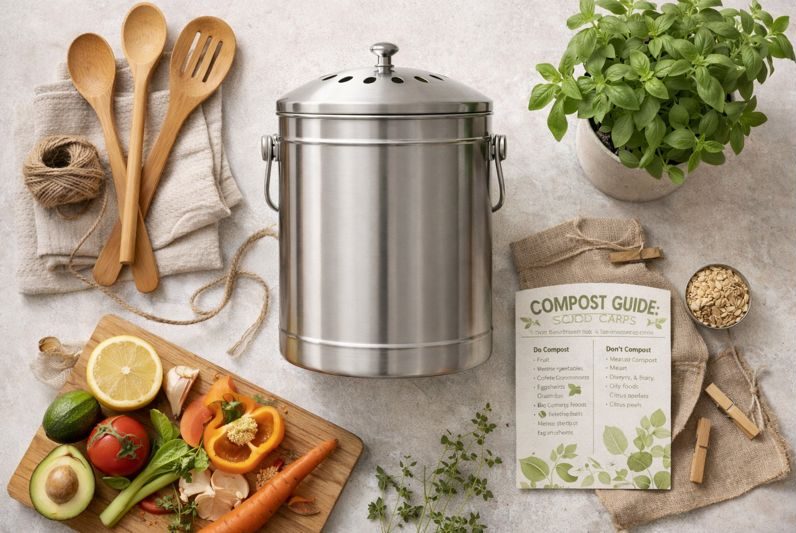
Here are the standout choices based on durability, odor control, design, and verified customer reviews.
1. EPICA Stainless Steel Kitchen Counter Compost Bin
A bestseller for years, the EPICA bin earns high praise for its impressive odor control and sturdy build. The seamless stainless-steel design prevents leaks and stains, and it’s incredibly easy to clean.
Why people love it:
- Industrial-grade steel
- Thick charcoal filter that lasts longer
- Minimalist look that fits any kitchen
Best for: Anyone who wants a low-maintenance, all-purpose compost bin.
2. OXO Good Grips Easy-Clean Compost Bin
OXO is known for user-friendly design, and this bin follows that tradition. Its smooth interior walls prevent scraps from sticking, and the flip-up lid makes one-handed use simple.
Why people love it:
- Hassle-free cleaning
- Compact size for small kitchens
- Lightweight and easy to carry outdoors
Best for: Urban kitchens or anyone who wants a bin that’s fast to empty and rinse.
3. Utopia Kitchen Compost Bin with Charcoal Filter
This budget-friendly pick offers great value without compromising practicality. The charcoal filter is effective, and the stainless steel holds up surprisingly well.
Why people love it:
- Affordable yet durable
- Comes with replacement filters
- Large capacity
Best for: Families who produce a lot of kitchen scraps and want a cost-effective option.
4. Stainless Steel Compost Bin
If you want something that feels more like décor than a utility item, this compost bin blends wood and steel beautifully. The wooden top adds warmth, while the steel bucket stays odor-free.
Why people love it:
- Aesthetically pleasing design
- Easy-lift inner bucket
- Strong odor control
Best for: Homeowners who want composting tools that match their interior style.
5. Ceramic Countertop Compost Bin
This ceramic bin adds charm to the kitchen and feels substantial thanks to its weight. It includes a charcoal filter to keep odors under control and offers a generous capacity.
Why people love it:
- Stylish, rustic look
- Chip-resistant glaze
- Quiet, soft-close lid
Best for: Anyone who prefers a decorative yet functional compost bin.
What Reviews and Research Say About Countertop Composting
Consumer testing repeatedly shows that odor control and cleaning ease determine whether people stick with composting long-term. Models with poor ventilation or thin filters lose points fast because users end up emptying them more often or dealing with fruit flies.
Research from Waste Management points out that households reduce up to 40% of compostable waste simply by using a dedicated bin. Another study highlights the psychological impact: when composting becomes convenient, people feel more motivated to continue sustainable waste management practices.
Product reviewers also emphasize longevity. Stainless steel bins consistently outlast plastic competitors, while ceramic bins appeal for their aesthetic value but require gentle handling.
Across the board, the highest-rated compost bins share the same traits:
- Strong charcoal filters
- Simple cleaning process
- Comfortable lids
- Rust-resistant materials
How to Use a Kitchen Counter Compost Bin the Right Way
Even the best compost bin works better when used correctly. Here’s how to keep odors low and efficiency high.
What You Can Compost
Most kitchen scraps are compost-friendly:
- Coffee grounds and filters
- Fruit peels
- Vegetable scraps
- Eggshells
- Tea leaves
- Bread, grains, and cooked rice (in small amounts)
What You Should Avoid
Some materials attract pests or slow down composting:
- Meat
- Dairy
- Oily foods
- Grease
- Large quantities of citrus
How Often Should You Empty It?
A good rhythm is every 2–3 days depending on how much you cook. Even odor-controlled bins benefit from regular emptying.
Tips for Keeping Your Bin Fresh
- Rinse it after every emptying
- Replace charcoal filters as recommended
- Add a layer of newspaper to absorb moisture
- Keep the lid closed when not in use
Small habits like these keep the bin pleasant and extend its lifespan.
Final Thoughts
Choosing the right kitchen counter compost bin comes down to simple priorities: odor control, easy cleaning, and a design that fits your daily routine. Whether you prefer a stainless steel model for durability or a ceramic bin for style, the best option is the one you’ll use consistently. With the right bin on your counter, reducing food waste becomes effortless—and a small step turns into a long-term sustainable habit.
For more practical ways to build an eco-friendly lifestyle, explore this guide to sustainable living.
FAQs
1. How does a kitchen counter compost bin work?
It collects food scraps inside a sealed container that prevents odors from escaping. Once full, you empty it into an outdoor compost pile or municipal compost bin.
2. Does a compost bin smell inside the kitchen?
High-quality bins with charcoal filters rarely smell, especially when emptied every few days. Proper ventilation and filter maintenance keep everything fresh.
3. When should you put in a new charcoal filter for your compost bin?
Most filters last 2–4 months, depending on humidity and how often you use the bin.
4. What materials are best for compost bins?
Stainless steel and ceramic are the top choices for durability and odor resistance. Wooden lids add visual warmth but require gentle care.
5. Is countertop composting safe for small kitchens?
Absolutely. Compact bins—especially 0.75–1 gallon sizes—fit perfectly in tight spaces without interfering with cooking or prep work.