Low-Waste Grocery Shopping: Smart Habits That Help You Buy Sustainably
We may earn a commission for purchases made using our links. Please see our disclosure to learn more.
Low-waste grocery shopping begins before you set foot in the store. One glance at a bored refrigerator, a meal plan that takes into account what’s really used, and a shopping list that will keep you focused can keep you from buying food that will just sit around and get thrown out. You don’t need to cut away all the plastic, or shop solely at specialist stores. It’s about what you do with what you buy and choosing reusable options when they make sense.
Start With What Is Already in Your Kitchen
Before you start writing your grocery list, take a peek inside your fridge, freezer, and pantry. Look in the crisper drawer and push larger containers out of the way to reveal items that are easily overlooked.
Then, identify what needs to be used up sooner. Add a sweet bell pepper to a stir-fry, or use brown bananas in smoothies, oatmeal or muffins. When you plan your meals around items like this, it helps keep you use them before they go bad.
You can also make an “eat first” shelf in the fridge. Store leftovers, opened packages, and fruit and vegetables that are ready to eat there so the whole family knows what to grab first.
Make a Flexible Meal Plan
A strict seven-day plan can fall apart when plans are disrupted. Instead, choose a few flexible meals that share common ingredients.
Spinach, for example, works in pasta, omelets, soup and wraps. Roasted veggies can be a side for dinner one night, and then a grain bowl the next day. This approach allows each component to have more than one application.
Also plan on making one or two “use it up” meals. Soups, curries, fried rice, frittatas and tacos can take small quantities of vegetables, grains, meat or beans.
Use your meal plan to create a practical grocery list. Organizing your list by aisles of the grocery store will save you time and keep you from buying things you don’t need.
Store Food So It Lasts
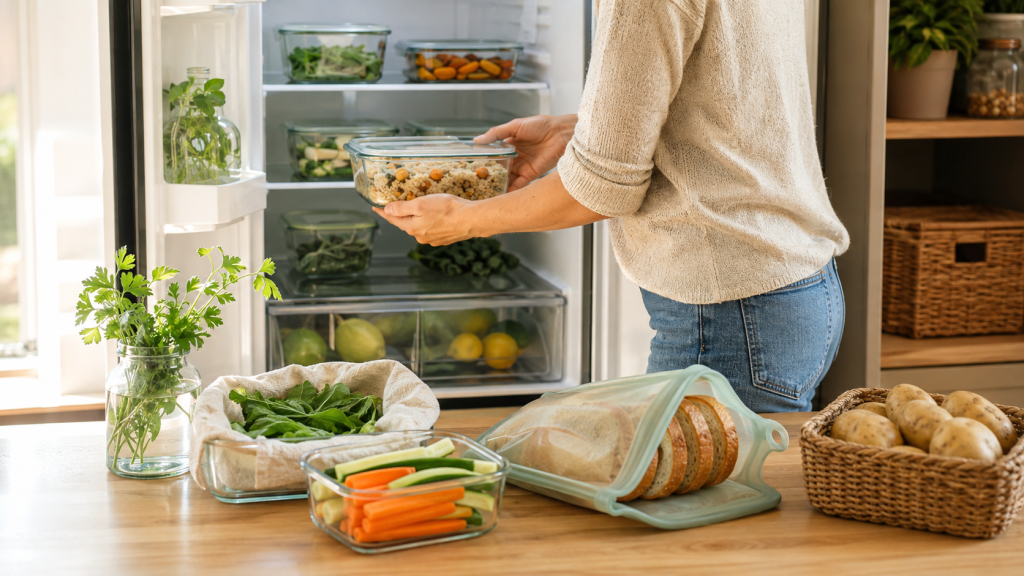
Low-waste grocery shopping continues at home. Put groceries away promptly and keep older items near the front so you use them first.
A few simple storage habits can prevent spoilage:
- Place fresh herbs in a jar of water.
- Wrap leafy greens in a clean cloth to absorb extra moisture.
- Keep potatoes in a cool, dark place to help them stay fresh longer.
- Label leftovers with the date.
- Freeze bread, cooked grains, meat, and extra portions before they spoil.
These habits can also save money. An EPA analysis of food-waste costs estimates that uneaten food costs the average US consumer $728 each year.
The problem extends far beyond individual kitchens. According to the UNEP Food Waste Index Report 2024, households generated 60% of global food waste in 2022. Storing food correctly and using older groceries first can keep more of what you buy out of the trash.
Buy Amounts You Can Actually Finish
A bigger package may look like better value, but it will not save money if some of the food goes bad. Check the unit price, then think about how much your household usually eats and whether you have enough space to store it properly.
When trying something new, start with a smaller quantity. Larger packages are better suited to foods you buy often or can divide and freeze for later.
Bulk bins make it easier to purchase the exact amount you need. They are useful for staples such as rice, oats, nuts, spices, coffee, dried fruit, and beans. Still, try not to buy more simply because the product has no packaging. Food that remains unused is waste too.
Some stores allow you to bring clean containers for bulk items. Ask an employee whether the container needs to be weighed before filling it. If personal containers are not accepted, use the bags provided and reuse them whenever possible.
Choose Packaging With Care
Packaging decisions are rarely as simple as “plastic bad, glass good.” The material, product size, local recycling system, transportation needs, and chance of food spoilage all matter.
Start by avoiding packaging that serves no useful purpose. Individually wrapped produce, tiny snack portions, and decorative boxes around an already sealed product often create unnecessary waste.
When packaging is needed, consider these options:
- Choose one larger container instead of several single-serving packages.
- Select concentrated products when they suit your needs.
- Favor containers accepted by your local recycling service.
- Try refill stations for grains, cleaning products, oils, or spices.
- Pick returnable or deposit-based containers when available.
Do not replace every plastic item in your kitchen at once. Use what you own until it wears out, then choose a durable alternative. Our guide to building a practical zero-waste lifestyle offers more ideas for making gradual changes.
Give Imperfect and Seasonal Produce a Chance
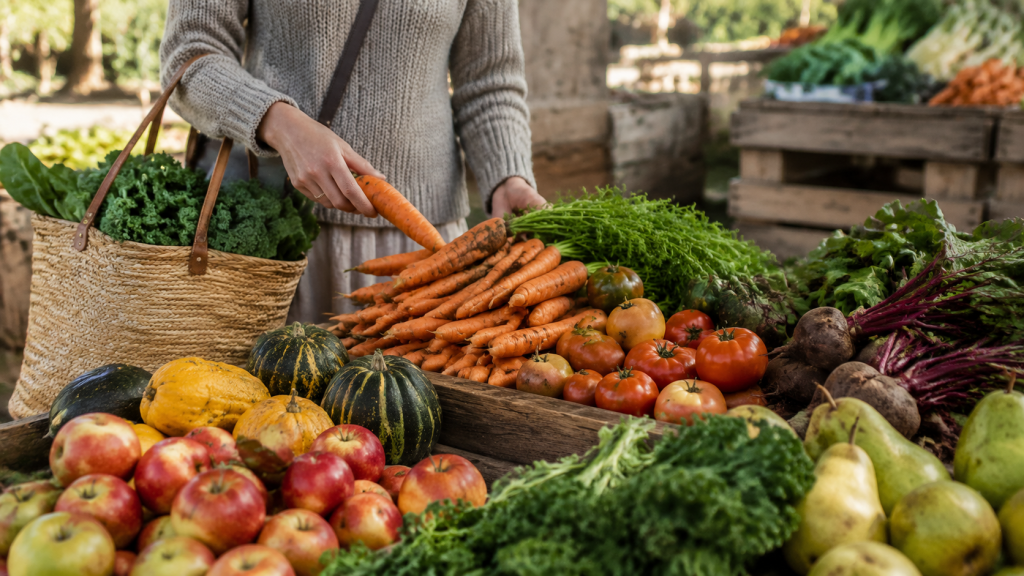
Not every fruit or vegetable needs to look flawless to be worth buying. A curved carrot, a small potato, or an apple with a surface mark can still taste perfectly good. When you choose produce like this, you help reduce the chance that edible food gets ignored simply because of how it looks.
Seasonal produce is also a smart choice. It is often fresher, easier to find, and better priced because it is available in larger amounts. Farmers markets can be helpful too, especially if you want loose produce without extra packaging. Still, the goal is to buy what you can realistically use.
Try choosing produce based on your weekly plans. Pick ripe items for meals you will make soon, then choose firmer fruits and vegetables for later in the week. This keeps everything from ripening at once and gives you more time to use what you bought.
Frozen produce can also support low-waste grocery shopping. It lasts much longer than fresh produce, needs little prep, and lets you use only the amount you need for each meal.
Bring a Simple Reusable Shopping Kit
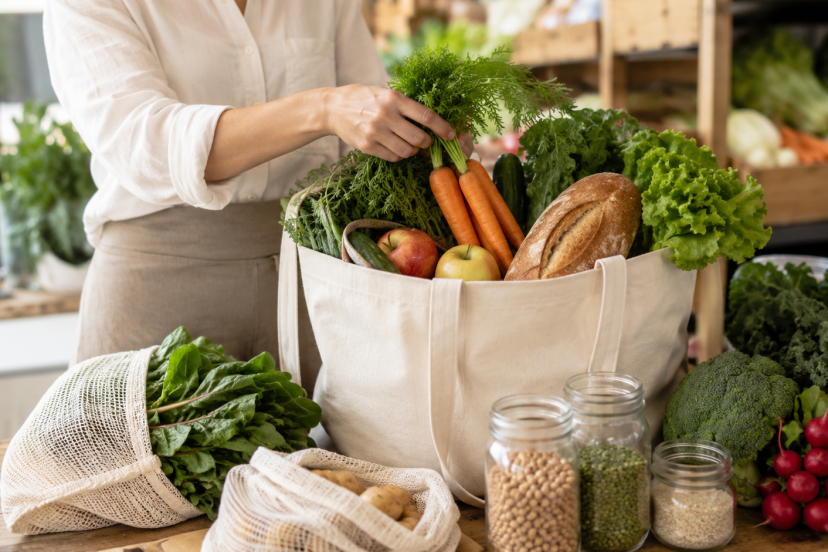
A good kit doesn’t require dozens of items. Start with two or three washable shopping bags and a couple of small produce bags. Keep them close to your keys, in your work bag, or in the car so you have them when you need them.
Containers may be handy for bulk foods or deli purchases if the store allows that. A reusable jar is also good for coffee beans, nuts, or dry goods you buy by weight.
Clean your reusable bags regularly, especially if you’ve been using them to carry meat, seafood, or unwashed produce. Separate bags should be used for raw animal products to minimize the risk of cross-contamination.
If you need help choosing sturdy options, see this comparison of reusable bags for grocery shopping.
Five Helpful Products for Low-Waste Grocery Shopping
You do not need a collection of new products to reduce grocery waste. Start with what you already own, then add reusable items that suit your shopping and food-storage habits.
1. BeeGreen Reusable Grocery Bags
The BeeGreen set includes lightweight, machine-washable bags that fold into a compact storage pouch. Keep a few in your car or everyday bag so they are ready for your next grocery run.
2. Earthwise Reusable Mesh Produce Bags
This nine-piece Earthwise set comes with several bag sizes for produce and dry bulk foods. The see-through mesh makes it easy to identify the contents at checkout and once you return home.
3. Stasher Reusable Silicone Bags
Stasher silicone bags provide a reusable alternative to disposable food-storage bags. They are useful for packing snacks, storing cut produce, freezing ingredients, and keeping small portions organized.
4. Bee’s Wrap Assorted Food Wraps
This Bee’s Wrap set contains three sizes for different storage needs. Use the wraps to cover bowls or protect foods such as bread, cheese, and produce. Avoid using them with raw meat or hot food.
5. Etekcity Digital Kitchen Scale
The Etekcity digital kitchen scale helps you measure ingredients and separate large packages into practical portions. Its tare feature removes the container’s weight from the measurement, which is especially useful when handling bulk foods.
Conclusion
Effective zero-waste grocery shopping depends on a handful of regulatable factors: stock your pantry, keep your meals flexible, make the right amount of food and store your food properly. Reusable bags and refill stations are part of the solution, but nothing has more impact than buying thoughtfully. Begin with one change you can make each week. A mini grocery list, an “eat first” shelf, or a bag by the door – these may seem like small habits, but regular routines can keep more food waste at bay than the odd perfect shopping run.
FAQs
Is low-waste grocery shopping more expensive?
Not necessarily. Refill products and specialty items sometimes cost more, but meal planning, eating leftovers, and avoiding spoiled food can lower total spending. Compare unit prices and prioritize habits that prevent waste.
What should I do if my supermarket has no bulk section?
Buy sizes you can finish, choose minimally packaged products, and favor packaging your local program accepts. You can still reduce considerable waste without access to bulk bins.
Are reusable cotton bags more sustainable than plastic bags?
Their benefit depends on how often you use them. Keep durable bags in circulation for as long as possible, wash them only when needed, and avoid collecting more than you regularly use.
How can I remember my reusable bags?
Store them where you naturally see them before shopping. Good locations include beside your keys, inside your everyday bag, or near the front door. Return them to that spot after unloading groceries.
Should I prioritize recyclable packaging or preventing food waste?
Preventing food waste usually deserves first priority. Packaging that protects food and extends its usable life may serve a genuine purpose. After choosing an amount you can finish, select the lowest-waste practical packaging option.