Eco-Friendly Home Decor for a Sustainable Home
We may earn a commission for purchases made using our links. Please see our disclosure to learn more.
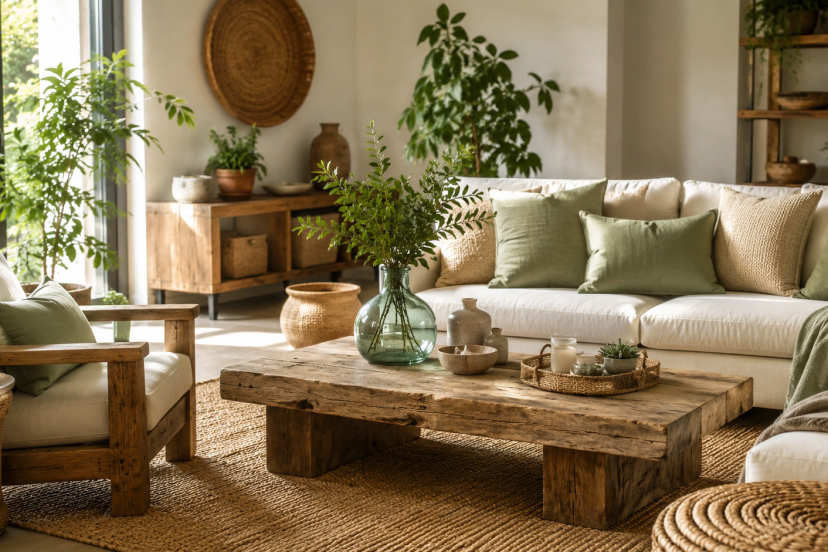
Eco-friendly home decor is simply designing a home that looks nice, feels comfortable, and supports a sustainable way of living. Rather than purchasing low-quality furnishings which need to be replaced or discarded every few months, opt for products made from natural materials and items which are well made. We’ll explore practical tips for eco-friendly home decorating, smart shopping advice, and products that will help you beautify your home with less waste and more care.
What Is Eco-Friendly Home Decor?
Eco-friendly home decor includes decorative items, furniture, textiles, and accessories made with lower-impact materials or more responsible production methods.
That can mean many things, such as:
- Natural fibers like jute, cotton, linen, wool, bamboo, and rattan
- Recycled materials like glass, metal, reclaimed wood, or recycled fabric
- Secondhand, vintage, or upcycled pieces
- Durable items designed to last for years
- Low-VOC finishes, stains, paints, and adhesives
- Decor made by small makers or fair-trade brands
In simple terms, eco-friendly decor should help you create a home you love without relying on disposable trends and poor-quality materials.
Why Sustainable Decor Is Worth Choosing
A lot of home decor is designed for quick turnover. You see a trend, buy the cheap version, use it for a season, and then replace it when it starts to look worn out. That cycle creates clutter, waste, and buyer’s remorse.
Sustainable decor takes a slower approach. You choose better materials, timeless styles, and pieces that can move from room to room as your taste changes.
There is also an indoor air quality angle worth knowing. The EPA explains that volatile organic compounds, or VOCs, can come from many household products, including building materials, furnishings, paints, and finishes. You can read more through the EPA’s guide to how VOCs affect indoor air quality.
That does not mean every new decor item is harmful. However, it does mean mindful shopping can make your home feel better in more ways than one.
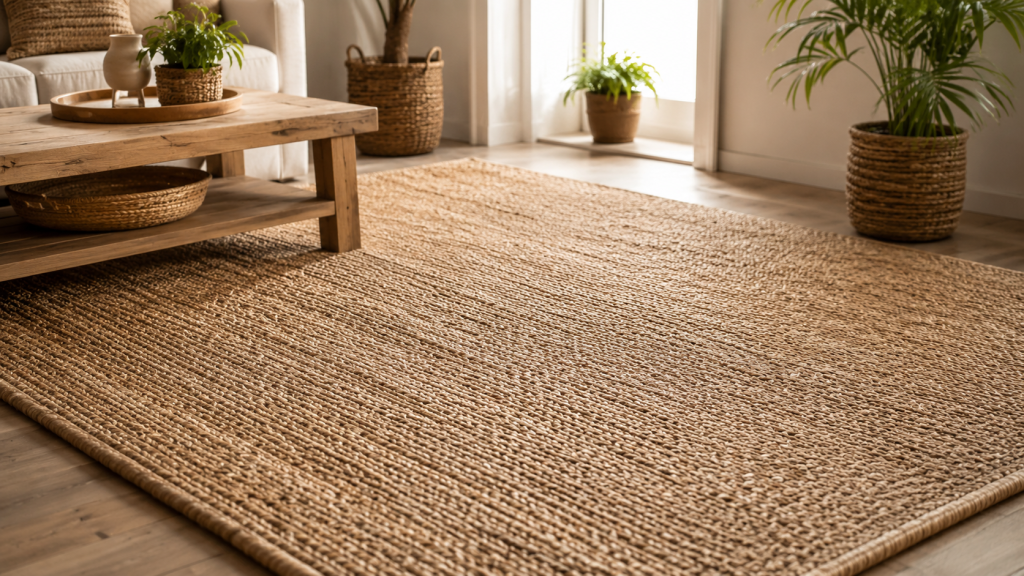
1. Choose Natural Fiber Rugs
A rug can completely transform the atmosphere of a room. Rather than choosing artificial alternatives, opt for natural fibers such as jute, seagrass, wool or organic cotton.
Jute rugs have got a strong appeal as the texture they brings along with them is not too overpowering for the space. It’s perfect for living rooms, bedrooms, dining rooms and hallways.
They also pair beautifully with wood, plants, linen, and neutral furniture.
2. Swap Pillow Covers Instead of Buying New Pillows
Decorative pillows are one of the quickest and simplest ways to update a room, but swapping out the whole pillow every season creates additional waste.
A better option is to keep your pillow inserts and switch only the covers. Look for linen, organic cotton, or recycled fabric covers in timeless colors.
This gives your sofa or bed a fresh look without filling your closet with unused decor.
3. Use Bamboo Shelves and Organizers
Bamboo is a strong choice for eco-friendly home decor because it grows quickly and has a clean, natural look.
You can use bamboo shelves in bathrooms, kitchens, bedrooms, or home offices. They work well for plants, candles, books, jars, and daily essentials.
The key is to choose sturdy pieces that you will actually use for years.
4. Decorate With Recycled Glass
Recycled glass is perfect if you want decor that feels stylish but not overly polished. It often has tiny imperfections that give each piece character.
Use recycled glass vases, jars, candle holders, or bowls on shelves, dining tables, bathroom counters, or entryway consoles.
A simple recycled glass vase with dried flowers can make a space feel finished without adding clutter.
5. Pick Beeswax or Soy Candles
Candles make a home feel cozy, but not all candles are created equal. Some heavily scented candles can release chemicals into the air, especially when made with synthetic fragrance and lower-quality wax.
The EPA explains that many household products and furnishings can release VOCs, which may affect indoor air quality. For a gentler option, choose beeswax or soy candles with simple ingredients and lighter scents.
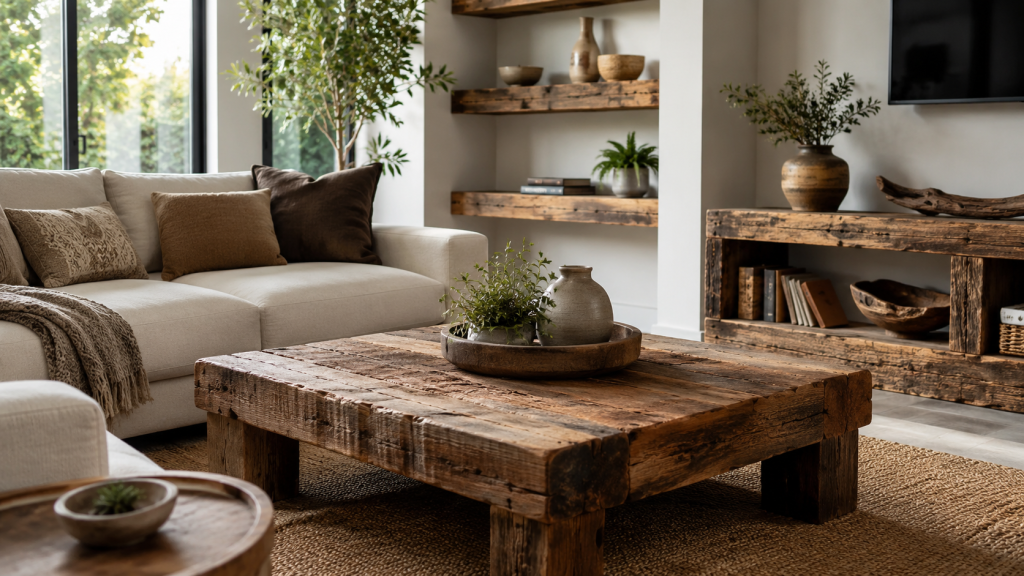
6. Bring in Reclaimed Wood
Reclaimed wood adds warmth, history, and texture to a room. It works well for coffee tables, shelves, picture frames, benches, trays, and wall hooks.
Because the wood has already been used, it often has marks, grain, and character that new furniture tries to copy.
It also fits many styles, including farmhouse, rustic, boho, industrial, and modern organic interiors.
7. Shop Secondhand Before Buying New
One of the simplest eco-friendly decorating habits is buying secondhand. Thrift stores, estate sales, antique shops, and local marketplaces can offer unique pieces at lower prices.
Look for mirrors, lamps, wooden furniture, ceramic vases, baskets, frames, and side tables.
Secondhand decor also helps your home feel more personal. Instead of looking like every trending room online, your space starts to feel collected and lived-in.
8. Choose Multi-Purpose Decor
If an item looks good and solves a problem, even better.
Woven baskets can hold blankets, toys, books, or laundry. A bamboo tray can style a coffee table and carry drinks. Glass jars can store pantry items while making open shelves look tidy.
Multi-purpose decor helps you buy less, use more, and keep your home organized.
This same idea applies in the kitchen too. If you are trying to build a more sustainable home, reducing waste is a smart next step. These simple ways to reduce food waste at home pair naturally with eco-friendly decorating habits.
9. Avoid Fast Decor Trends
Fast decor works a lot like fast fashion. It is cheap, trendy, and tempting, but it often does not last.
Instead of buying every seasonal trend, choose a few timeless basics. Natural rugs, neutral curtains, linen pillow covers, wood accents, and ceramic pieces can stay in your home for years.
Then, if you want a seasonal touch, add small swaps like dried flowers, a table runner, or a candle.
Research on furniture life-cycle assessment shows that materials, production, use, and end-of-life all affect a furniture item’s environmental impact. In simple terms, keeping pieces longer matters.
10. Decorate With Plants and Natural Elements
Plants are one of the easiest ways to make a home feel fresh and alive. They add color, soften hard corners, and bring a natural element into the room.
You can also decorate with dried flowers, branches, pinecones, stones, woven trays, and ceramic planters.
Just choose plants that match your lifestyle. If you forget to water things, pothos, snake plants, and ZZ plants are your friends.
Recommended Products for Eco-Friendly Home Decor
Here are five practical product ideas that fit a sustainable home:
- nuLOOM Rigo Hand Woven Farmhouse Jute Area Rug – Best for adding natural texture to living rooms, bedrooms, and dining spaces.
- MIULEE Neutral Linen Pillow Covers – Best for refreshing old pillows without replacing the inserts.
- JOIKIT Bamboo Floating Shelves – Best for stylish storage in bathrooms, kitchens, offices, or bedrooms.
- Bluecorn Beeswax Pillar Candle – Best for cozy lighting with a more natural wax option.
- Recycled Glass Vase – Best for shelves, tables, entryways, and simple floral styling.
Conclusion
A more sustainable home is achieved with decisions that seem sensible, practical and long-lasting. Every natural rug, recycled accessory, pre-loved treasure or hard-wearing item contributes to waste reduction and adds personality to your home. The point is not to decorate perfectly but to decorate with intent. When your home is a reflection of your style and values, it is more than just a beautiful space — it’s a place you love to feel good about every day.
FAQs
1. What is eco-friendly home decor?
Eco-friendly home decor includes furniture, textiles, and decorative pieces made from natural, recycled, reclaimed, or responsibly sourced materials.
2. What are the best materials for sustainable decor?
Jute, bamboo, linen, organic cotton, wool, reclaimed wood, recycled glass, seagrass, and ceramic are all great options.
3. Is eco-friendly home decor expensive?
Not always. You can save money by shopping secondhand, reusing what you own, and buying durable pieces instead of cheap seasonal decor.
4. How can I make my home more sustainable on a budget?
Start small. Swap pillow covers, use baskets for storage, thrift decor, repurpose old furniture, and choose natural materials when replacing items.
5. Can sustainable decor still look modern?
Yes. Eco-friendly decor can look modern, minimal, boho, farmhouse, coastal, or classic. The style depends on the colors, shapes, and materials you choose.