Why Hemp Clothing Is Worth Adding to Your Closet
We may earn a commission for purchases made using our links. Please see our disclosure to learn more.
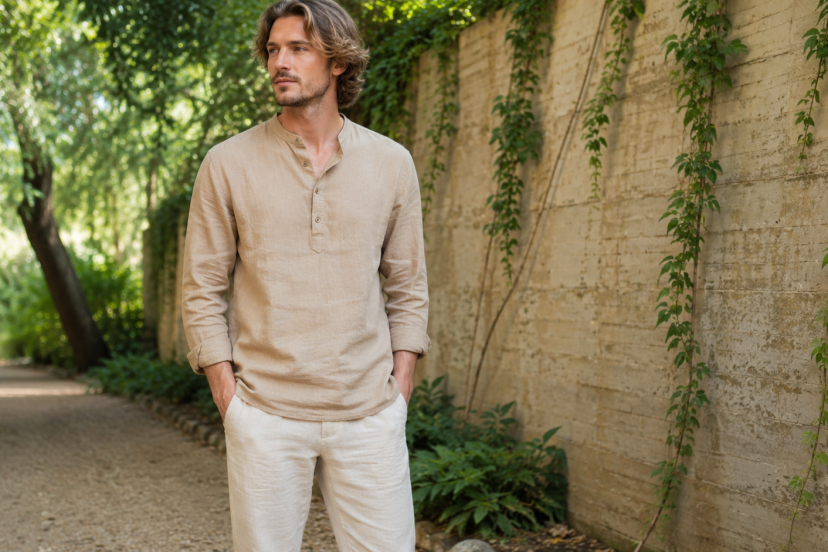
Hemp clothing makes sense if you want your clothes to feel good and stand the test of time. It is breathable, sturdy, and more suitable for a low-waste lifestyle. Hemp doesn’t wear out as quickly as many of the fast fashion fabrics. It gets softer with use, making it more comfortable to wear every day. In this article, you will discover the benefits of hemp clothes, how hemp stacks up against cotton and polyester, and which hemp products you should test out first.
What Is Hemp Clothing?
Hemp clothing comes from fibers taken from the stalk of the hemp plant. The fibers are turned into yarn, then made into woven or knitted fabric.
You’ll often see hemp blended with organic cotton, recycled cotton, linen, or a little stretch fiber. That’s because pure hemp can feel structured at first. Blends make it softer and easier to wear every day.
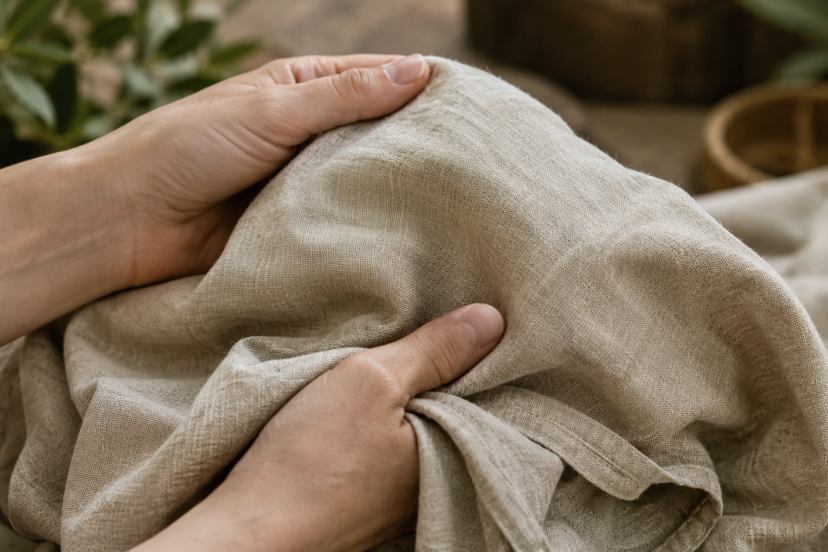
Think of hemp fabric like linen’s practical cousin. It has that relaxed, natural texture, but it usually feels sturdier. It works well for T-shirts, pants, button-down shirts, hoodies, socks, jackets, and even workwear.
Why Hemp Clothing Is Getting Popular Again
People want clothes that feel good and make sense. Fast fashion has trained shoppers to buy more, toss more, and repeat the cycle. But that gets tiring. It also creates waste.
Hemp clothing fits the slow-fashion mindset. It encourages you to buy fewer pieces, choose better materials, and keep items longer.
Plus, hemp has a cool, laid-back look. A hemp tee with jeans feels simple. Hemp pants with sandals feel relaxed. A hemp hoodie feels casual without looking sloppy. It gives “I care, but I’m not trying too hard” energy — which is always a win.
Hemp Clothing and Sustainability
The biggest reason many people choose hemp clothing is sustainability.
Hemp grows quickly, produces strong fiber, and can work as an alternative to more resource-heavy materials. A 2020 study in Journal of Cleaner Production found that industrial hemp produced about three times more fiber per hectare on average than cotton and showed potential as a more environmentally friendly textile material.
A newer life cycle assessment comparing cotton and hemp fiber production also found that hemp had lower impacts than cotton across global warming potential, eutrophication, and acidification in the study’s model.
That does not mean every hemp shirt is automatically perfect. Dyeing, shipping, labor practices, and fabric blends still matter. However, hemp gives eco-conscious shoppers a strong starting point.
Hemp vs Cotton: Which Is Better?
Cotton is soft, familiar, and everywhere. But conventional cotton can use heavy inputs during farming and processing. Hemp, on the other hand, often gets praised for its durability and lower-impact potential.
Here’s the simple version:
Cotton usually feels softer right away. Hemp often feels stronger and gets softer over time.
Cotton is easier to find. Hemp is more niche.
Cotton can wear down faster. Hemp tends to hold up well.
If you love cotton, you don’t have to throw it out. That would miss the point. A better approach is to choose organic cotton, recycled cotton, or hemp-cotton blends when you can.
Hemp-cotton blends are especially beginner-friendly because they give you the softness of cotton and the strength of hemp.
Hemp vs Polyester: Why Natural Fibers Matter
Polyester is cheap, stretchy, and common in modern clothing. But it comes from plastic-based fibers. During washing, synthetic fabrics can shed tiny microplastic fibers.
Research on synthetic textiles has shown that fabrics can release microplastic fibers during household washing, and fabric structure, thickness, and material type can affect how much they shed. One 2024 study found that recycled polyester released more microplastic fibers than virgin polyester under the tested conditions.
That’s one reason natural fibers like hemp, linen, cotton, and wool interest eco-conscious shoppers. They help reduce dependence on plastic-heavy clothing. If this topic matters to your readers, you can also explore practical ways to reduce microplastics in daily life.
Best Hemp Clothing Pieces to Try
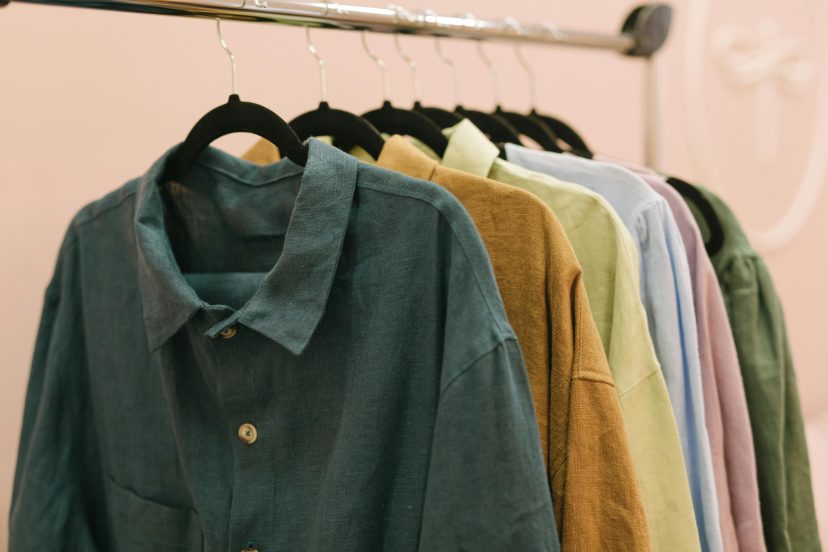
Choosing your first hemp clothing pieces is easier when you start with items you’ll reach for often. The products below are practical, beginner-friendly picks that show why hemp fabric is so useful in everyday wardrobes. From breathable T-shirts to cozy hoodies and soft socks, each option gives you a simple way to try hemp without overhauling your whole closet.
Hemp Short Sleeve for Men
A simple hemp T-shirt made with 55% hemp and 45% organic cotton. It’s a great starter piece if you want something breathable, casual, and easy to wear.
Hemp Lightweight Hoodie Armor
This hoodie uses a 55% hemp and 45% organic cotton blend, making it a nice choice for everyday layering without relying fully on synthetic fleece.
Hemp Cotton Pants
These relaxed pants use a 55% hemp and 45% cotton blend. They’re a comfortable pick for lounging, travel, casual weekends, or warm-weather outfits.
Organic Hemp Socks
These socks use 65% hemp, 30% organic cotton, and 5% polyamide. They’re a practical first buy if you want to test hemp in a small everyday item.
Hemp T-Shirt
This hemp tee uses a 55% hemp and 45% organic cotton blend. It’s especially useful if you want a breathable shirt for hot, humid days.
Is Hemp Clothing Durable?
Yes, durability is one of hemp clothing’s biggest selling points.
Hemp fibers have a strong, sturdy feel. That makes them useful for garments that need to handle repeated wear. If you hate buying a T-shirt that twists, thins, and looks tired after a few washes, hemp may be your new best friend.
A good hemp shirt can feel a little structured in the beginning. But over time, it relaxes. Instead of falling apart quickly, it often breaks in nicely.
That durability also supports sustainability. After all, the most eco-friendly item is often the one you keep wearing.
How to Care for Hemp Clothing
Hemp clothing is fairly easy to care for, but a little attention helps it last longer.
Wash hemp clothes in cold water when possible. Use a gentle detergent. Avoid harsh bleach because it can weaken natural fibers.
Air drying works best. It saves energy and helps prevent unnecessary shrinkage. When machine drying, use a low-heat setting.
Also, don’t panic if a hemp garment feels slightly firm after washing. It usually softens again with wear.
For stains, treat the spot early. Natural fibers can hold onto stains if you let them sit too long.
Final Thoughts
Hemp clothing is worth adding to your closet because it brings together comfort, durability, and sustainability in a practical way. It feels breathable, holds up well over time, and helps you move away from throwaway fashion without making your wardrobe feel complicated. There’s no need to swap out your whole wardrobe all at once. Start with one everyday piece, such as a hemp T-shirt, hoodie, pants, or socks, and see how it fits your lifestyle. Small clothing choices can still make a real difference, especially when they help you buy less, wear longer, and choose materials that are kinder to the planet.
FAQs
Is hemp clothing comfortable?
Yes, hemp clothing can be very comfortable, especially when blended with organic cotton. Pure hemp may feel textured at first, but it usually softens after washing and wearing.
Does hemp clothing shrink?
Hemp clothing may shrink when exposed to hot water or high dryer heat. To keep its shape, wash it in cold water and let it air dry, or use a low-heat dryer setting.
Is hemp clothing better than cotton?
Hemp can be more durable and may offer lower environmental impacts than conventional cotton, depending on farming, processing, and production methods. Cotton still feels softer at first, so hemp-cotton blends offer a nice balance.
Is hemp clothing good for summer?
Yes. Hemp fabric feels breathable and works well for warm weather. Hemp shirts, loose pants, and lightweight hoodies can be great for summer, travel, and outdoor activities.
Why is hemp clothing more expensive?
Hemp clothing often costs more because hemp textiles are less common than cotton or polyester. Processing, smaller production runs, and better-quality blends can raise the price. However, durable hemp pieces may offer better long-term value.