How To Reduce Microplastics in Your Home
We may earn a commission for purchases made using our links. Please see our disclosure to learn more.
Microplastics can show up in more places at home than most people realize. They may come from packaging, fabrics, dust, and everyday plastic items. If you want to reduce microplastics, the goal is not to change everything overnight. Start with a few simple habits that lower plastic contact in your daily routine and make your home a little cleaner, safer, and more eco-friendly.
What Are Microplastics?
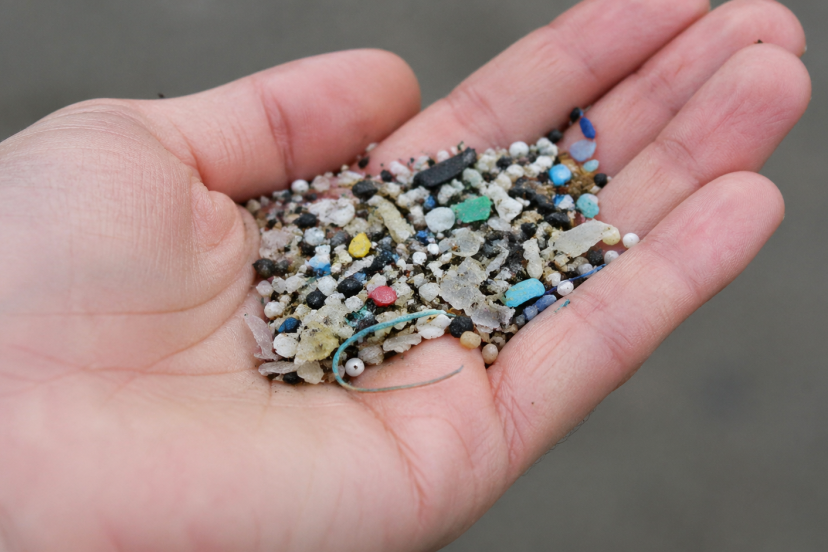
Microplastics are small plastic fragments, fibers, or particles. Some start out tiny, like old microbeads once used in personal care products. Others form when plastic bags, bottles, containers, rugs, clothing, and packaging slowly break apart.
A 2024 review on human exposure to microplastics noted that people may encounter microplastics through ingestion, inhalation, and skin contact. However, researchers also explained that better testing methods are still needed to fully understand how much exposure happens in everyday life.
That means your home matters. Your kitchen, laundry room, bathroom, and cleaning habits can all play a role in reducing daily contact with microplastics.
Why Reducing Microplastics at Home Matters
You do not need to panic. However, you should care.
Researchers are still studying how microplastics may affect the human body, but early findings are enough to make everyday exposure worth reducing. One comprehensive review on microplastics and human health explains that microplastics may contribute to inflammation, oxidative stress, and exposure to chemical additives, although scientists still need more long-term human studies.
From a practical point of view, reducing plastic at home also cuts waste. You buy fewer disposable items, reuse better materials, and create a cleaner routine.
Start in the Kitchen
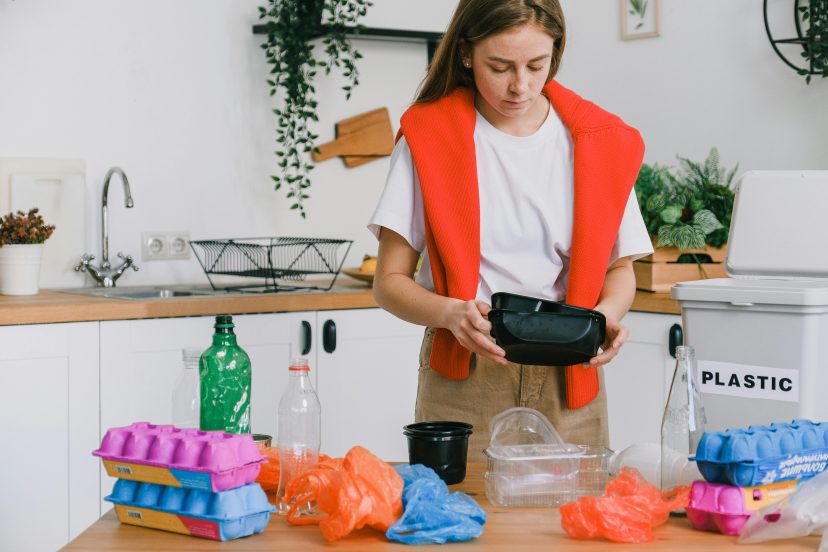
The kitchen is one of the easiest places to reduce microplastics because plastic touches food so often.
Start with food storage. Swap plastic containers for glass or stainless steel, especially for leftovers, sauces, soups, and anything warm. Plastic containers may release more particles when exposed to heat, wear, or repeated use.
A 2023 Environmental Science & Technology study found that microwave heating caused the highest release of microplastics and nanoplastics from plastic containers and reusable food pouches compared with other tested conditions.
So here is the simple rule: store in glass when you can, and never microwave food in plastic.
Also, replace plastic wrap with beeswax wraps, silicone lids, or glass containers with lids. For dry goods, use jars. You do not need a Pinterest-perfect pantry. A reused pasta sauce jar counts. Sustainability loves a low-budget hero.
Rethink Drinking Water
Bottled water is convenient, but it can add to plastic exposure.
A 2024 PNAS study detected more than 100,000 plastic particles per liter in bottled water, with most particles identified as nanoplastics. Columbia University’s summary of the same research reported 110,000 to 370,000 particles per liter across three popular bottled water brands tested.
A better move? Use filtered tap water when available and store it in glass or stainless steel.
If you buy bottled water during travel or emergencies, that is fine. The goal is not perfection. The goal is to stop making disposable plastic your daily default.
Change How You Do Laundry
Laundry is a sneaky source of microplastics.
Synthetic fabrics like polyester, nylon, acrylic, and fleece can shed tiny fibers during washing. A 2024 study on synthetic textiles found that fabric structure and material type affected microfiber release, with some acrylic and recycled polyester samples releasing higher fiber counts during washing.
You can reduce fiber shedding with a few easy habits:
Wash full loads instead of tiny loads. Use cold water. Choose shorter cycles when clothes are not heavily soiled. Air-dry synthetic clothing when possible because heat and friction can wear fabrics down faster.
When you shop for clothing, reach for natural fabrics like cotton, linen, wool, or hemp whenever you can. You do not need to ditch every workout legging you own. Just buy better when it is time to replace something.
Wool dryer balls can also replace single-use dryer sheets, which often use synthetic fragrance coatings and disposable materials.
Clean Dust More Intentionally
Microplastics do not just come from food. They can settle in household dust too.
Indoor reviews have found microplastics in air and dust, with fibers often linked to textiles, carpets, furnishings, and household materials.
That means cleaning helps.
Use a vacuum with a HEPA filter if you can. Dust with a damp cloth instead of a dry feather duster, which can send particles back into the air. Let fresh air in when the outdoor air is clean and safe. Also, remove shoes indoors to reduce tracked-in dust and debris.
Small habit, big payoff: wipe high-dust areas weekly. Think windowsills, baseboards, fan blades, under beds, and behind electronics.
Choose Better Personal Care Products
Your bathroom can also help you reduce microplastics.
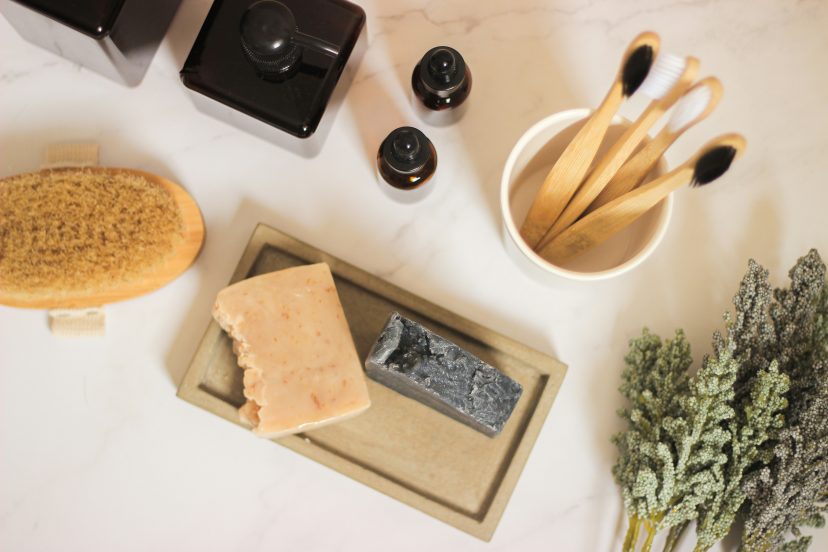
Avoid products with glitter, polyethylene beads, or unnecessary plastic-heavy packaging. Choose bar soaps, shampoo bars, refillable bottles, bamboo toothbrushes, safety razors, and plastic-free cotton swabs when they make sense for your routine.
If you are ready to make a cleaner hair-care swap, this guide to natural shampoo and conditioner can help you compare gentler options without getting lost in greenwashing.
Also, watch “biodegradable” claims. Some products sound eco-friendly but still rely on materials that may not break down easily in real-world conditions.
Avoid Heating Plastic
This one deserves its own section because it is so simple.
Do not microwave plastic containers. Do not pour boiling water into plastic cups. Do not put hot leftovers straight into plastic storage. Let food cool first, then transfer it if needed.
Heat can speed up plastic breakdown. Studies on plastic containers and hot water treatments continue to raise concerns about microplastic and nanoplastic release.
Serve hot foods and drinks in ceramic, glass, or stainless steel instead of plastic. This one change is easy, affordable, and powerful.
Buy Less Synthetic Stuff
A plastic-free home does not happen overnight. Still, every purchase gives you a chance to lower future shedding.
When possible, choose natural fiber rugs, cotton curtains, wooden furniture, metal tools, glass jars, and ceramic dishes. Avoid cheap plastic decor that cracks, flakes, or sheds over time.
This does not mean your home has to look like a beige museum. Color is allowed. Personality is allowed. Your home should not feel like a guilt trip with throw pillows.
Just ask one question before buying: “Will this last, or will it break into tiny plastic sadness in six months?”
That question alone can save money and reduce waste.
Recommended Products
Here are five product types that fit naturally into a low-microplastic home.
Amazon Basics Glass Food Storage Containers
These containers are useful for leftovers, meal prep, and replacing plastic tubs. They are made with BPA-free borosilicate glass and come with locking lids, making them a practical choice for everyday food storage.
Budieggs Wool Dryer Balls
Wool dryer balls can cut down on throwaway dryer sheets while helping clothes tumble and dry more evenly. They are made from 100% New Zealand wool and can be reused for hundreds of loads.
Stainless Steel Loose Leaf Tea Infusers
Plastic tea bags can release tiny particles when steeped in hot water. A stainless steel tea infuser lets you use loose-leaf tea instead, which is a simple swap for reducing plastic contact with hot drinks.
Reusable Beeswax Food Wraps
These wraps can replace plastic wrap for sandwiches, bowls, fruit, and snacks. Many beeswax wraps use cotton, beeswax, jojoba oil, and tree resin, making them a reusable option for daily food storage.
Shark HEPA Filter Vacuum
A HEPA vacuum can help reduce dust buildup around the home. Since household dust may contain fibers and tiny particles from textiles and plastics, regular vacuuming can support a cleaner, lower-microplastic space.
Simple Weekly Checklist
Use this quick routine to reduce microplastics and keep things manageable:
- Refill a stainless steel or glass water bottle.
- Store leftovers in glass containers.
- Wash synthetic clothes on cold and air-dry when possible.
- Vacuum and damp-dust once a week.
- Skip plastic wrap when a reusable option works.
- Choose loose-leaf tea instead of tea bags that may contain plastic.
- Avoid heating food in plastic.
Do not try to change everything in one weekend. That is how people burn out and end up rage-ordering takeout in plastic containers. Start with one room, one habit, and one swap.
Conclusion
Reducing microplastics at home does not mean you have to live perfectly or replace everything at once. To reduce microplastics, start where it makes the most sense: the food you store, the water you drink, the clothes you wash, and the products you use every day. Swap plastic containers for glass, avoid heating food in plastic, choose reusable items, and bring in more natural materials when you can. These small choices add up quietly over time. They help you create a cleaner home, waste less, and feel better about the way you care for your space and the planet.
FAQs
1. What is the easiest way to reduce microplastics at home?
Start by avoiding heat and plastic together. Do not microwave plastic containers or pour hot drinks into plastic cups. Then switch to glass food storage and a reusable stainless steel water bottle.
2. Do water filters remove microplastics?
Some filters may reduce certain particles, but performance depends on the filter type and pore size. Look for filters tested for small particle removal, and replace cartridges on schedule.
3. Are glass containers better than plastic containers?
Yes, glass containers are better for hot foods, leftovers, and reheating. They last longer, resist stains, and reduce direct food contact with plastic.
4. Do clothes release microplastics?
Synthetic clothes can shed microfibers during washing. Polyester, nylon, acrylic, and fleece are common examples. Washing cold, using shorter cycles, and buying natural fibers when possible can help.
5. Can I completely remove microplastics from my home?
No, not completely. Microplastics are widespread in air, dust, packaging, textiles, and water. However, you can reduce microplastics and lower everyday exposure by changing how you store food, clean, do laundry, and choose household products.