Natural Shampoo and Conditioner with No Harsh Stuff
We may earn a commission for purchases made using our links. Please see our disclosure to learn more.
Choosing a natural shampoo and conditioner sounds easy until you start reading the labels. One bottle says “clean,” another says “plant-based,” and somehow your hair still ends up dry, flat, or oily by lunchtime. I’ve had that moment too, where a product looks perfect on the shelf but feels all wrong in the shower. So, let’s make it simpler. You’ll learn how to spot gentle ingredients, avoid the red flags, and choose a cleaner hair care routine that suits your hair while supporting your eco-friendly lifestyle.
Ingredients to Look For in Natural Hair Care
The best natural shampoo and conditioner products often use gentle cleansing agents and nourishing ingredients. You may see names like coco-glucoside, decyl glucoside, sodium cocoyl isethionate, aloe vera, argan oil, jojoba oil, coconut oil, shea butter, rice protein, oat extract, and green tea extract.
For shampoo, look for mild cleansers that remove oil without making your scalp feel dry. For conditioner, look for ingredients that add slip, softness, and moisture.
Here are a few helpful ingredients to know:
Aloe vera can help add lightweight hydration.
Jojoba oil feels close to the natural oil your scalp already produces.
Argan oil works well for dry, frizz-prone hair.
Shea butter helps thicker, curly, or coarse hair feel softer.
Rice protein can support a fuller, smoother feel.
Oat extract may suit sensitive scalps.
If your hair gets greasy fast, choose lightweight botanical formulas. If your hair feels dry and puffy, pick richer oils and butters. If your hair is fine, avoid heavy conditioners near the scalp.
Ingredients You May Want to Avoid
If you want natural shampoo and conditioner with no harsh stuff, start by scanning for ingredients that commonly raise concerns among sensitive users.
You may want to avoid:
Sodium lauryl sulfate, especially if your scalp feels dry or itchy.
DMDM hydantoin, a formaldehyde-releasing preservative.
Quaternium-15, another formaldehyde-releasing preservative.
Strong synthetic fragrance, especially if you react to perfume.
Drying alcohols, such as alcohol denat. in high amounts.
Heavy silicones, if your hair gets buildup easily.
The Environmental Working Group’s Skin Deep database reviews personal care ingredients and products using ingredient labels and scientific literature, which can help shoppers compare formulas more carefully.
Still, don’t panic over every unfamiliar word. Some safe ingredients have scary-looking names. For example, many gentle coconut-derived cleansers sound like lab equipment but work beautifully in mild shampoo formulas.
Best Natural Shampoo and Conditioner Picks
Below are five product types worth considering when shopping for a cleaner hair care routine. Always check the current ingredient list before buying because brands can reformulate.
1. Native Coconut & Vanilla Shampoo and Conditioner
Native is a popular choice for shoppers who want a simple, sulfate-free routine with a pleasant scent. The Coconut & Vanilla set works well for people who want a creamy, everyday shampoo and conditioner without an overly complicated ingredient list.
It’s a good fit for normal to dry hair and anyone who wants an easy first step into cleaner hair care.
2. Attitude Super Leaves Nourishing Shampoo
Attitude is often a strong pick for eco-minded shoppers because the brand focuses on cleaner formulas and plant-forward ingredients. The Super Leaves Nourishing Shampoo with grape seed oil and olive leaf extract is designed for softness and shine.
Pair it with a matching conditioner if you want a more complete routine.
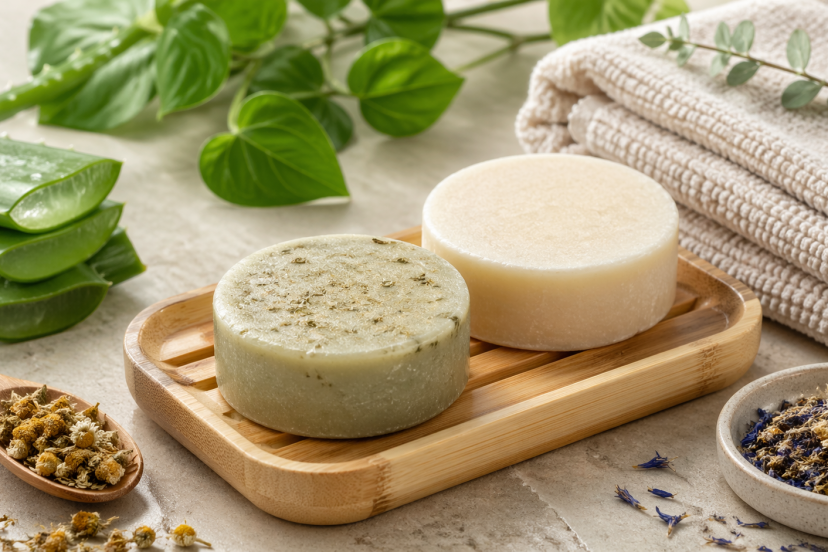
3. Organic Shampoo & Conditioner Bar Duo
A shampoo and conditioner bar duo is ideal if your main goal is reducing plastic waste. Bars take up less space, travel well, and usually come with minimal packaging.
They do take a little adjustment, though. Rub the shampoo bar between wet hands or directly onto wet hair, then build the lather slowly. For conditioner bars, glide the bar over mid-lengths and ends, then let it sit for a minute before rinsing.
4. Organic Vegan Plastic-Free Shampoo Bar
If you want a simple low-waste swap, a vegan shampoo bar can make your shower feel cleaner in every sense. It usually lasts longer than many liquid shampoos and helps reduce empty plastic bottles.
This type of product works best when you store it on a draining soap dish. If it sits in water, it can turn mushy. Nobody wants shampoo soup.
5. Natural Shampoo and Conditioner Combo
This set works well for people who want a more salon-style experience while still leaning toward gentler hair care. It may suit damaged, dry, or processed hair that needs extra softness.
If your hair feels brittle from heat styling or coloring, a repair-focused shampoo and conditioner can help improve manageability.
Why Mild Shampoo Formulas Can Be Better for Your Hair
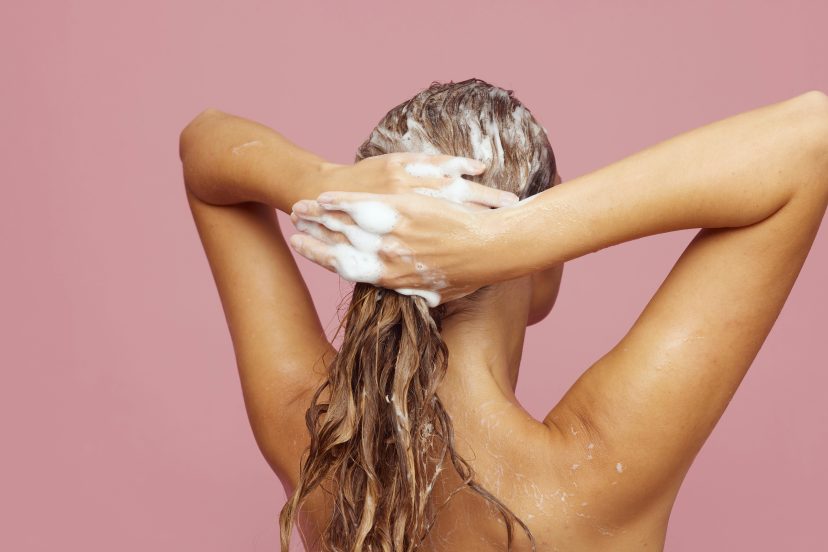
A big, foamy lather can feel lovely in the shower. It makes your hair feel instantly clean. But that squeaky-clean finish is not always a good sign. Sometimes, it means the shampoo has stripped away too much, leaving your scalp tight and your hair dry before you even reach for conditioner.
A review on shampoo surfactant technology explains that surfactants do more than create bubbles. They affect how well a shampoo cleans, how mild it feels, how it foams, and how conditioning ingredients work with your hair. In other words, the cleanser inside the bottle matters just as much as the “natural” claim on the front.
Your shampoo’s pH can also change how your hair behaves. A review on how shampoo pH affects hair found that higher-pH shampoos may increase friction, static, and frizz. That can make your hair feel rough, puffy, or harder to detangle.
So, if your hair feels dry, frizzy, or stubborn after washing, your shampoo may simply be too harsh or too high in pH. A mild, pH-conscious formula can help your hair feel softer, smoother, and much easier to manage.
Final Thoughts
A better hair care routine does not need to be complicated. Once you know which ingredients feel gentle, which ones to avoid, and which formulas suit your hair type, choosing a natural shampoo and conditioner becomes much easier. The goal is simple: clean hair, a comfortable scalp, and fewer unnecessary extras in your shower. With the right product, you can care for your hair while making a small but meaningful choice for a more eco-friendly lifestyle. If you love low-waste living, you may also enjoy these practical ideas for zero-waste pantry organization.
FAQs
1. Is natural shampoo and conditioner better for your hair?
Natural shampoo and conditioner can be better for people who want gentler cleansers, fewer harsh ingredients, and more eco-conscious packaging. However, the formula matters more than the label. Choose products based on your scalp, hair type, and ingredient sensitivity.
2. Does natural shampoo still clean your hair well?
Yes, many natural shampoos clean well. Some use mild coconut-derived cleansers instead of strong sulfates. They may create less foam, but less lather does not always mean less cleansing.
3. How long does it take hair to adjust to natural shampoo?
Some people notice their hair settling in after just one or two washes. Others need two to four weeks, especially if they used heavy silicone products before. If your hair still feels waxy or dry after several washes, try a different formula.
4. Are shampoo bars better than liquid shampoo?
Shampoo bars can be better for reducing plastic waste and saving shower space. They are also travel-friendly. However, performance varies by brand and hair type, so choose one designed for your specific needs.
5. What should I avoid in shampoo if I have a sensitive scalp?
You may want to avoid strong sulfates, heavy fragrance, formaldehyde-releasing preservatives, and drying alcohols. If your scalp reacts often, choose fragrance-free or dermatologist-tested formulas and consider asking a dermatologist for guidance.