5 Safest Non-Toxic Cookware Brands
We may earn a commission for purchases made using our links. Please see our disclosure to learn more.
If you’ve ever wondered whether your pans could be affecting your health, you’re not alone. More people are switching to non-toxic cookware because they want safer, cleaner meals without hidden chemicals. And honestly, it’s a smart move.
The cookware you use every day can either protect your health—or quietly expose you to harmful substances. That’s why choosing the right materials matters more than most people realize.
In this guide, you’ll discover the safest non-toxic cookware brands, what makes them stand out, and how to pick the best option for your kitchen.
What Is Non-Toxic Cookware and Why It Matters
Non-toxic cookware refers to pots and pans made without harmful chemicals like PTFE, PFOA, PFAS, lead, or cadmium. These substances often appear in traditional non-stick coatings, especially older ones.
So why should you care?
Because when cookware overheats or degrades, it can release chemicals into your food. Over the long run, this kind of exposure can impact your well-being.
On the other hand, non-toxic cookware uses safe materials like:
- Stainless steel
- Cast iron
- Carbon steel
- Ceramic coatings
These options stay stable at high heat and don’t leach unwanted substances into your meals.

Harmful Chemicals to Avoid in Cookware
Before choosing safer cookware, it helps to know what to avoid.
Here are the biggest red flags:
- PTFE (Teflon) – Can release fumes at high temperatures
- PFOA – Previously used in non-stick coatings, linked to health risks
- PFAS – Known as “forever chemicals” due to persistence in the body
- Lead & Cadmium – Toxic heavy metals sometimes found in coatings
Even though many brands now claim to be “PFOA-free,” that doesn’t always mean they’re fully safe. That’s why going truly non-toxic is the better option.
5 Safest Non-Toxic Cookware Brands You Can Trust
Let’s get into the brands that actually deliver on safety, durability, and performance.
Made In
Made In has quickly built a reputation for professional-grade cookware. Their stainless steel and carbon steel options are completely free from harmful coatings.
What makes them stand out is their precision design. You get even heating, strong durability, and zero chemical worries.
If you want cookware that feels like it belongs in a chef’s kitchen, this is a solid pick.
Caraway
Caraway is all about modern design with clean materials. Their ceramic-coated cookware looks beautiful, but more importantly, it’s free from PTFE, PFOA, and heavy metals.
The non-stick surface works well without relying on harmful chemicals. Plus, cleanup feels effortless, which is always a bonus after a long day.
GreenPan
GreenPan became popular for introducing Thermolon ceramic coating. This coating is completely PFAS-free and designed to stay stable under heat.
If you still want a non-stick experience without the risks, GreenPan offers a great balance between convenience and safety.
Lodge
Lodge proves that sometimes the simplest option is the best. Their cast iron cookware is completely natural—no coatings, no chemicals.
If you take care of them, these pans can easily last for many years. Even better, they improve over time as they develop a natural non-stick surface.
Le Creuset
Le Creuset combines safety with premium quality. Their enameled cast iron cookware doesn’t react with food and doesn’t require seasoning.
It’s perfect if you want something durable, safe, and visually appealing enough to go straight from stove to table.
Recommended Non-Toxic Cookware Products
Here are some top-rated products that combine safety, performance, and value:
- Caraway Ceramic Cookware Set (12-Piece) – A complete, stylish set with a non-toxic ceramic coating. Great for beginners upgrading their kitchen.
- Lodge Pre-Seasoned Cast Iron Skillet (10.25-inch) – A budget-friendly classic that lasts forever. Ideal for high-heat cooking.
- GreenPan Valencia Pro Ceramic Nonstick Frypan – Durable and easy to use. Perfect for everyday cooking without toxins.
- All-Clad Stainless Steel Fry Pan (D3 Series) – Professional-grade stainless steel that delivers even heat and zero chemical exposure.
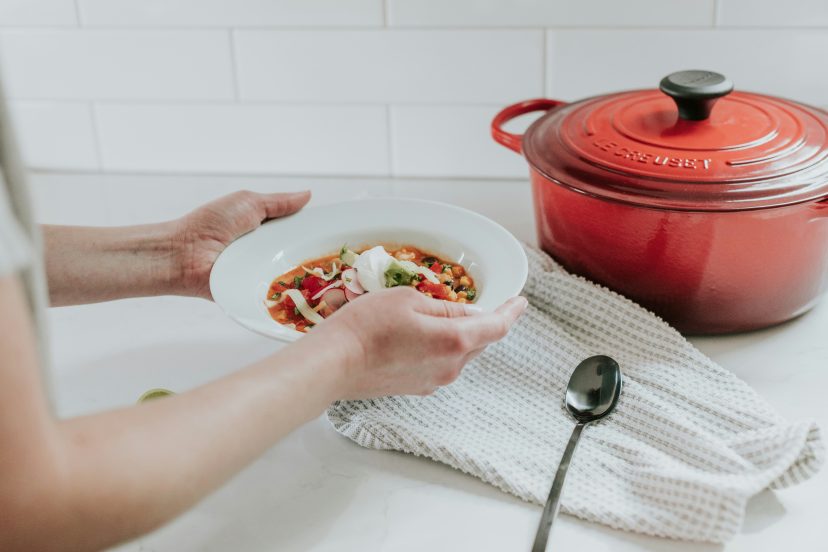
- Le Creuset Enameled Cast Iron Dutch Oven – A premium choice for slow cooking, soups, and stews.
What Research Says About Cookware Safety
So here’s the simple truth—what you cook with can affect what ends up in your food.
One review on how PFAS chemicals can transfer from food-contact materials into food shows that this can happen, especially when heat is involved or surfaces start to wear down.
Another study on the health effects linked to long-term PFAS exposure explains why this matters, pointing to possible impacts on the immune system and hormones.
That doesn’t mean you need to stress. It just means making small swaps—like choosing non-toxic cookware—can be a smart, simple step for your health.
How to Choose the Right Non-Toxic Cookware for Your Kitchen
Not all kitchens are the same, so your choice should match your cooking style.
Here’s a quick breakdown:
- For versatility: Stainless steel
- For high heat cooking: Cast iron or carbon steel
- For easy cleanup: Ceramic-coated cookware
- For slow cooking: Enameled cast iron
Also, think about your daily habits. Do you cook often? Do you prefer low maintenance?
Answering these questions makes your decision much easier.
Simple Tips to Keep Your Cookware Safe and Long-Lasting
Even the safest cookware needs proper care.
Here are a few simple tips:
- Avoid overheating empty pans
- Use wooden or silicone utensils
- Hand wash when possible
- Store carefully to prevent scratches
Also, pairing your cookware with safe kitchen tools matters. For example, using a non-toxic cutting board can further reduce exposure to harmful materials.
Little changes like these can make a noticeable difference as time goes on.
Conclusion
You don’t need to replace everything in your kitchen all at once. Start with one or two better pieces and build from there. Over time, those small changes really do add up. The goal is making smarter choices where you can. When you cook with safer materials, you feel a little more confident about what’s going on your plate. And honestly, that peace of mind makes everyday cooking feel a whole lot better.
FAQs
1. What is the safest material for cookware?
Stainless steel and cast iron are among the safest options because they don’t release harmful chemicals.
2. Is ceramic cookware completely non-toxic?
High-quality ceramic cookware is generally safe, especially when it’s free from PFAS, lead, and cadmium.
3. Can non-toxic cookware still be non-stick?
Yes. Ceramic coatings provide a non-stick surface without harmful chemicals.
4. How do I know if my cookware is toxic?
Check for labels mentioning PTFE, PFOA, or PFAS. If present, it’s best to replace them.
5. Is it expensive to switch to non-toxic cookware?
Not necessarily. You can start with affordable options like cast iron and gradually upgrade.