Sustainable Swaps to Reduce Waste and Save the Planet
We may earn a commission for purchases made using our links. Please see our disclosure to learn more.
Sustainable swaps are simple changes that reduce waste without disrupting daily life. By replacing common disposable items with reusable or low-impact alternatives, households can lower their carbon footprint, cut down landfill waste, and conserve resources. These swaps focus on prevention rather than cleanup, making them one of the most practical ways to support environmental sustainability. This article explains how sustainable swaps work, why they matter, and which everyday changes make the biggest difference.
What Are Sustainable Swaps and Why They Matter
A sustainable swap is a simple replacement. You take a common product that creates waste and switch it for a reusable, compostable, or longer-lasting option. That’s it.
For example:
- Paper towels → reusable cloths
- Plastic wrap → beeswax wraps
- Disposable razors → safety razors
These swaps matter because single-use products dominate modern households. According to global waste studies, packaging and disposable household items make up a significant portion of landfill waste. Most of it gets used for minutes and lasts for decades in the environment.
Sustainable swaps reduce demand for disposable manufacturing, lower resource extraction, and cut down pollution at the source. That’s a powerful ripple effect for such small actions.

Everyday Sustainable Swaps You Can Start Using Today
You don’t need to change everything at once. Start where waste shows up most often in your routine.
Kitchen and Food Storage Swaps
The kitchen is one of the biggest waste producers in most homes. Fortunately, it’s also the easiest place to start.
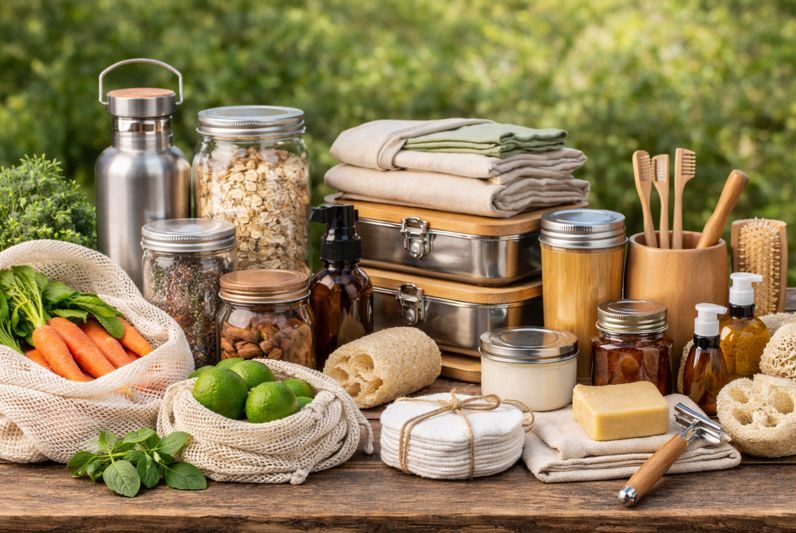
Reusable food containers replace disposable bags and wraps. Glass containers last longer, don’t absorb odors, and are safer for reheating. Beeswax wraps work well for covering bowls, wrapping produce, or packing snacks.
Cloth produce bags eliminate thin plastic bags entirely. They’re lightweight, washable, and surprisingly durable.
Even compostable dish sponges or wooden brushes make a difference when used daily.
Bathroom and Personal Care Swaps
Personal care products often come with excessive plastic packaging. Many also contain ingredients that impact waterways.
Bar soaps and shampoo bars reduce plastic bottles instantly. They last longer than liquid versions and travel well.
Reusable cotton rounds offer a long-lasting alternative to single-use makeup wipes, cutting down waste with every use. After making the switch, most people find there’s no reason to return to disposables.
Bamboo toothbrushes and refillable deodorants also reduce long-term waste without changing how you care for yourself.
Cleaning and Household Swaps
Cleaning supplies are another hidden source of plastic waste.
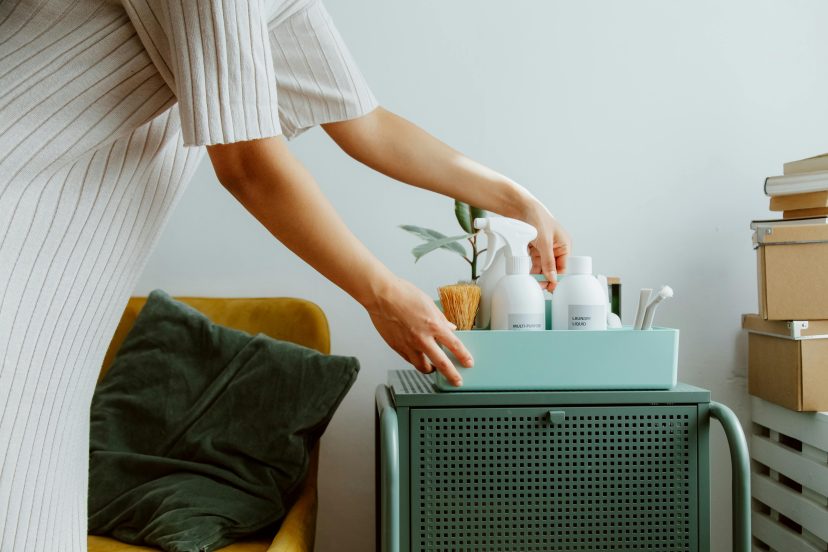
Refillable spray bottles paired with concentrated cleaning tablets reduce packaging dramatically. Microfiber or cotton cleaning cloths replace paper towels and last for years with proper care.
Laundry detergent sheets or refill systems minimize bulky plastic jugs and reduce shipping emissions at the same time.
5 Sustainable Swaps Worth Buying
These eco-friendly swaps cost a little upfront but pay off through longevity and reduced waste. All are widely available on Amazon.
- Reusable Beeswax Food Wraps
A practical alternative to plastic wrap for daily food storage. Flexible, compostable, and easy to clean. - Glass Food Storage Containers with Bamboo Lids
Durable, non-toxic, and versatile for meal prep, leftovers, and pantry organization. - Reusable Stainless Steel Water Bottle
Eliminates hundreds of single-use plastic bottles per year and keeps drinks at the right temperature. - Organic Cotton Reusable Produce Bags
Lightweight and washable, these replace plastic grocery bags effortlessly. - Reusable Swedish Dishcloths
Highly absorbent and compostable, they replace paper towels and sponges in one simple swap.
Each of these items reduces waste quietly, without demanding lifestyle changes.
How Sustainable Swaps Reduce Waste and Carbon Footprint
Scientific research consistently shows that reducing household waste delivers real environmental benefits. One of the clearest findings comes from life-cycle assessments, which evaluate a product’s impact from production to disposal. These studies repeatedly show that reusable items outperform single-use alternatives after only a few uses.
A large systematic review of life-cycle assessments published in Sustainability found that reusable products—such as food containers, cleaning cloths, and packaging—significantly reduce greenhouse gas emissions when used as intended over time. The biggest advantage comes from cutting down manufacturing demand, not just improving recycling rates. Producing fewer disposable items means less raw material extraction, less energy use, and fewer emissions overall.
Research published in ScienceDirect further supports this. Comparative life-cycle analyses show that reusable systems generate substantially lower carbon footprints than single-use options once reuse thresholds are met. In many cases, reusable items reduced climate-change impact by more than half compared to disposable equivalents.
Transportation also plays a major role. Single-use products require constant replacement, which increases shipping frequency, packaging waste, and fuel consumption. Reusable alternatives reduce this burden by staying in circulation longer, lowering emissions linked to transport and disposal.
Ultimately, sustainable swaps work because they address waste at its source. Instead of managing trash after it exists, they reduce the need for it in the first place—making them one of the most effective ways individuals can lower their environmental impact.
The Real Impact of Small Eco-Friendly Changes
One reusable bottle may not save the planet alone. But habits scale.
When sustainable swaps become the default, they influence purchasing trends, corporate decisions, and packaging standards. Over time, demand shifts markets. That’s how change sticks.
These habits also influence family members, children, and communities. Small visible actions spark conversations. They normalize eco-conscious living without preaching or pressure.
Even gift-giving can become more sustainable. If you’re looking for eco-friendly presentation ideas, this guide on holiday gift wrapping ideas offers practical ways to reduce waste during celebrations without sacrificing style.
How to Make Sustainable Swaps Stick Long-Term
The key to lasting change is simplicity.
Start with one area. Replace items only when they run out. Choose swaps that feel easy, not restrictive. And avoid guilt when perfection isn’t possible.
Sustainable living works best when it supports your lifestyle rather than competing with it. Progress matters more than purity.
Over time, these swaps stop feeling like “eco choices.” They just become how you live.
Final Thoughts
Sustainable swaps reduce waste by tackling the problem at its source. Small changes, when used consistently, lower environmental impact, reduce resource demand, and create lasting habits that benefit both households and the planet. You don’t need to replace everything at once—starting with a few practical swaps is enough to make a measurable difference. Progress, not perfection, is what makes sustainable living work.
FAQs
1. What are sustainable swaps?
Sustainable swaps are simple replacements of disposable items with reusable or eco-friendly alternatives that reduce waste and environmental impact.
2. Do sustainable swaps actually make an impact?
Yes. Research shows that reducing single-use products lowers landfill waste, carbon emissions, and resource consumption over time.
3. Are sustainable swaps expensive?
Some cost more upfront, but most save money long-term by lasting years instead of days or weeks.
4. Which sustainable swaps should I start with first?
Start with high-use items like water bottles, food storage, cleaning cloths, and grocery bags.
5. Can sustainable swaps fit into a busy lifestyle?
Absolutely. The best swaps require no extra effort once they become part of your routine.