9 Eco-Friendly Laundry Swaps for a Greener Routine
We may earn a commission for purchases made using our links. Please see our disclosure to learn more.
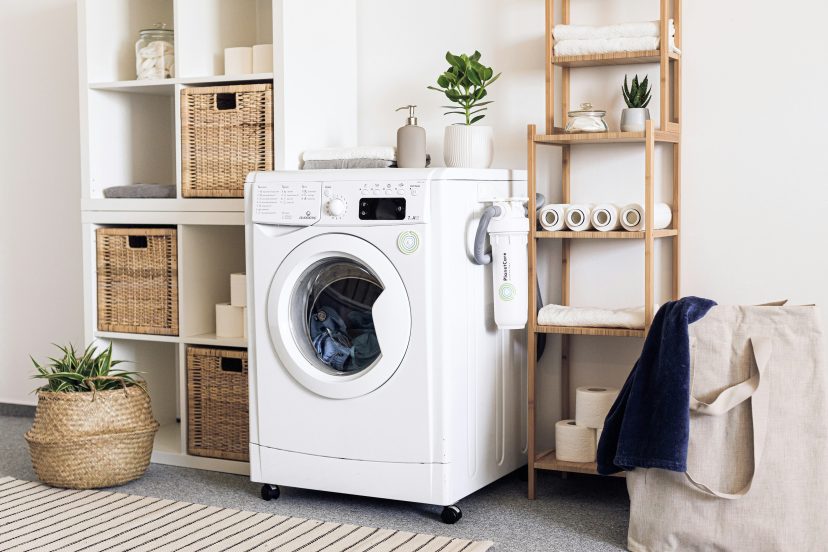
Laundry is something most households do several times a week, yet few people realize how much it affects the environment. Eco-friendly laundry habits can reduce water use, lower energy bills, and limit the chemicals released into waterways—all without making your routine harder. By making a few simple swaps, like choosing safer detergents and washing more efficiently, you can protect your clothes, save money, and support a more sustainable lifestyle.
Why Eco-Friendly Laundry Matters More Than You Think
Laundry seems harmless. It might seem like laundry is only about soap and water at first glance.
Not quite.
Traditional laundry routines can:
- Use large amounts of electricity
- Release chemicals into waterways
- Wear out clothes faster
- Increase household costs
According to environmental research, washing machines account for a significant portion of household water and energy consumption. That means your laundry habits directly affect both your utility bills and the environment.
The encouraging part is this: every improvement counts.
Even one small change can reduce your environmental footprint.
Swap #1: Use Concentrated or Plant-Based Laundry Detergent
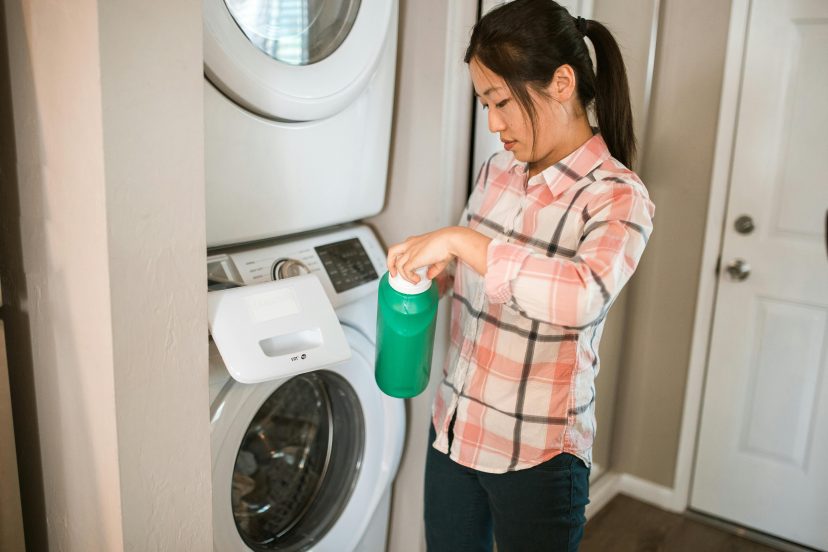
Traditional detergents often contain synthetic fragrances, dyes, and phosphates. These ingredients can irritate skin and harm aquatic ecosystems.
Plant-based or concentrated detergents offer a cleaner alternative.
They:
- Use fewer harsh chemicals
- Require smaller amounts per load
- Reduce packaging waste
- Rinse more easily from fabrics
Look for:
- Biodegradable ingredients
- Low or no fragrance
- Minimal plastic packaging
- High-efficiency compatibility
Many people notice softer fabrics and fewer skin reactions after switching.
Swap #2: Switch to Reusable Dryer Balls Instead of Dryer Sheets
Dryer sheets may smell nice, but they create unnecessary waste.
Reusable wool or silicone dryer balls provide the same benefits without the trash.
They:
- Reduce drying time
- Soften fabrics naturally
- Eliminate single-use waste
- Save money over time
One set of dryer balls can last for hundreds of loads. That makes this swap one of the easiest sustainability wins in your home.
Swap #3: Wash Clothes in Cold Water Whenever Possible
Heating water requires much more energy than washing with cold water.
Fortunately, modern detergents clean effectively at lower temperatures.
Cold-water washing:
- Saves energy
- Prevents fabric damage
- Reduces color fading
- Extends clothing lifespan
In many households, switching to cold water is the fastest way to lower energy consumption.
Swap #4: Air-Dry Clothes Instead of Using the Dryer
Dryers consume a large amount of electricity. Air-drying clothes eliminates that energy use completely.
It also protects your clothes.
Heat can:
- Shrink fabrics
- Fade colors
- Break down fibers
Air-drying helps garments last longer, which reduces the need to buy replacements.
And honestly, there’s something satisfying about seeing fresh laundry drying naturally.
Swap #5: Choose a High-Efficiency Washing Machine Setting
Many washing machines include eco or high-efficiency settings.
These settings:
- Use less water
- Reduce energy consumption
- Maintain cleaning performance
Even older machines often have options that lower resource use.
Taking a few seconds to select the right setting can make a big difference.
Swap #6: Try Laundry Detergent Sheets or Pods with Minimal Packaging
Liquid detergent bottles create a lot of plastic waste.
Detergent sheets and pods use less packaging and weigh less to transport. That reduces carbon emissions during shipping.
They also simplify laundry routines.
No measuring and spills.
No bulky containers.
Just toss one in and start the wash.
Swap #7: Use Natural Stain Removers Instead of Harsh Chemicals
Chemical stain removers can be tough on fabrics and skin.
Natural alternatives often work just as well.
Common options include:
- Baking soda
- White vinegar
- Lemon juice
- Hydrogen peroxide
These ingredients break down stains without leaving behind toxic residues.
They also cost less than specialty cleaners.
Swap #8: Wash Full Loads to Reduce Water and Energy Use
Running half-empty loads wastes resources.
Washing full loads:
- Uses the same energy as smaller loads
- Saves water
- Reduces wear on your machine
However, avoid overloading the washer. Garments need enough room to circulate so they can be cleaned effectively.
Balance is the key.
Swap #9: Choose Durable, Eco-Friendly Laundry Accessories
Small accessories can make your laundry routine more sustainable.
Consider:
- Mesh laundry bags
- Reusable lint rollers
- Stainless steel clothespins
- Fabric repair kits
These items last longer and reduce waste over time.
They also help protect delicate clothing.

Eco-Friendly Laundry Products Worth Trying
Switching to eco-friendly laundry doesn’t have to feel complicated. The right tools can reduce waste, save energy, and help your clothes last longer. Below are five practical products that make sustainable laundry easier to maintain in everyday life.
1. Wool Dryer Balls
A set of wool dryer balls can do the job of dryer sheets without creating extra trash. Instead of throwing something away after every load, you can reuse the same set for months—or even years.
Benefits:
- Replace single-use dryer sheets and reduce waste
- Help clothes dry faster by improving airflow
- Soften fabrics naturally without added chemicals
Because they shorten drying time, dryer balls also help lower energy use, making them both eco-friendly and cost-effective.
2. Laundry Detergent Sheets
Traditional liquid detergent often comes in bulky plastic bottles. Laundry detergent sheets offer a lightweight, low-waste alternative that works just as effectively.
Benefits:
- Use less packaging and reduce plastic waste
- Take up minimal storage space
- Simplify measuring and prevent overuse
Using the right amount of detergent is important because excess detergent can leave residue on clothes and increase pollution in wastewater systems.
3. Mesh Laundry Bags
Mesh laundry bags protect delicate fabrics during washing, which helps clothes last longer. That may seem small, but extending the life of clothing reduces the need for frequent replacements—and that lowers overall environmental impact.
Benefits:
- Prevent damage to delicate items
- Reduce fabric wear and tear
- Help limit microfiber shedding into water systems
In short, protecting your clothes is one of the most overlooked sustainability strategies.
4. Natural Stain Remover Stick
Many stain removers rely on strong chemicals that can irritate skin and harm waterways. Natural stain remover sticks use gentler ingredients while still tackling everyday messes.
Benefits:
- Made with plant-based ingredients
- Safer for sensitive skin
- Effective on common stains like grease, food, and dirt
They offer a balanced solution—strong enough to clean, but gentle enough to support eco-friendly laundry habits.
5. Reusable Clothesline
A reusable clothesline supports one of the most effective sustainability habits: air-drying. Dryers consume a large amount of electricity, so skipping the dryer whenever possible can significantly reduce energy use.
Benefits:
- Eliminates energy use from dryers
- Extends the lifespan of clothing
- Works indoors or outdoors
Even air-drying just a few loads each week can noticeably lower your household energy consumption.
Small upgrades like these help you save money, reduce waste, and build a routine that supports long-term sustainability without extra effort.
How Laundry Detergents and Washing Habits Affect the Environment
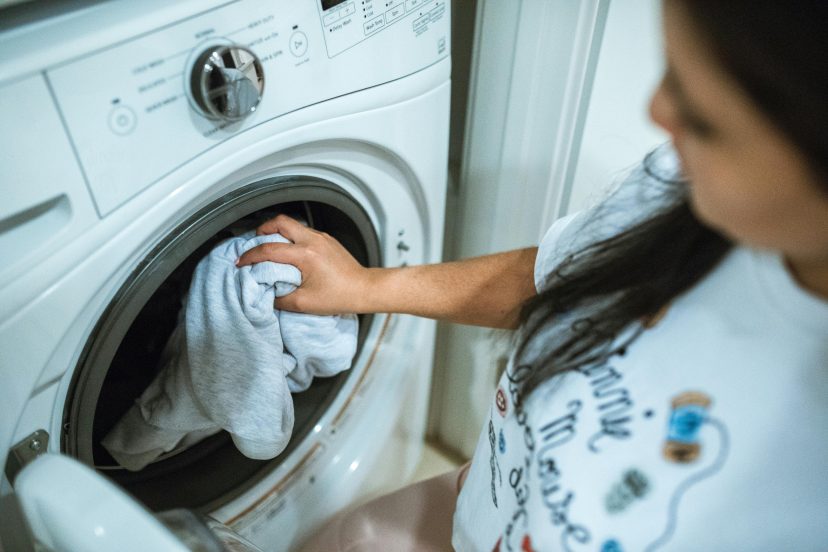
Research shows that everyday laundry habits can significantly influence environmental health. A comprehensive review on the environmental impact of laundry detergents on water quality and ecosystems found that detergent chemicals can accumulate in waterways and contribute to pollution when used excessively. The researchers noted that choosing safer formulas and using the right amount of detergent can help reduce environmental harm.
In addition, a life-cycle assessment examining the environmental footprint of laundry detergents from production through household use revealed that both detergent manufacturing and daily washing routines affect energy use and resource consumption. The study concluded that simple behavior changes—such as washing efficiently and avoiding overuse of detergent—can significantly lower environmental impact over time.
Conclusion
You don’t have to change your entire lifestyle to start practicing eco-friendly laundry. It starts with simple, practical choices—using the right amount of detergent, washing smarter, and choosing reusable tools that reduce waste. Over time, these small adjustments protect your clothes, lower utility costs, and reduce your environmental footprint. Start with one change today and build consistency. Explore more sustainable options like switching to safer personal care products to support a cleaner, greener routine at home.
FAQs
1. What is the easiest way to start eco-friendly laundry?
A great first step is switching to cold-water washing whenever possible. This single change reduces energy use immediately without requiring new products.
2. Do eco-friendly detergents clean as well as regular ones?
Yes. Modern plant-based detergents clean effectively while using fewer harsh chemicals.
3. How much energy can cold-water washing save?
Cold-water cycles can significantly reduce energy consumption because heating water requires the most electricity during washing.
4. Do dryer balls perform better than traditional dryer sheets?
Yes. Dryer balls reduce waste, last longer, and improve drying efficiency without chemicals.
5. Is eco-friendly laundry more expensive?
Not usually. Many eco-friendly habits save money over time by lowering energy use and extending clothing lifespan.