Cork Yoga Mat: Sustainable Picks We Love
We may earn a commission for purchases made using our links. Please see our disclosure to learn more.
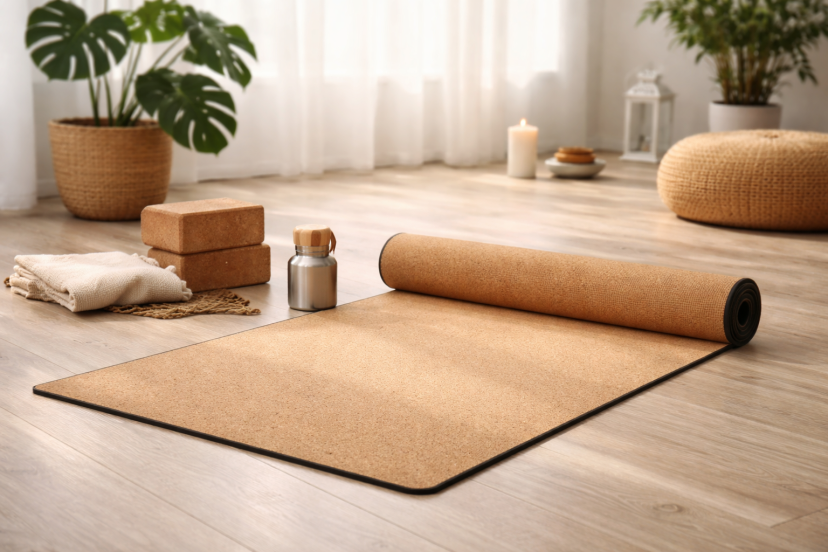
A cork yoga mat is not just the latest fad in the wellness industry. It is an everyday upgrade for anyone who wants to improve in grip, cleaner materials, and less impact on the environment. Unlike synthetic mats that are made from PVC, cork provides renewable source, is naturally odor resistant, and offers better traction in sweaty workouts. If you are a fan of sustainability and performance, then this guide will show you what makes a cork yoga mat exceptional — and which ones you can really trust.
Why Cork Is a Truly Sustainable Choice
A cork yoga mat stands out because it combines environmental responsibility with strong performance.
Cork is collected by carefully removing the outer bark of cork oak trees, allowing the tree to remain standing and continue growing. The tree regenerates its bark every 9 to 12 years and continues absorbing carbon throughout its life. This renewable cycle allows cork to fit into a circular production model rather than a disposable one.
Research supports this. A large-scale study on cork oak forest biodiversity published in Forest Ecology and Management found that responsibly managed cork forests help maintain soil stability and support diverse ecosystems in Mediterranean regions. These forests also reduce land degradation when harvesting follows proper cycles.
In addition, a comprehensive life-cycle assessment published in the Journal of Cleaner Production found that cork materials can have a lower overall carbon footprint than petroleum-based alternatives, largely because of their regenerative harvesting process.
Beyond sustainability, cork performs exceptionally well. It naturally resists bacteria and odor, and it becomes more grippy when wet. Most cork yoga mats also use a natural rubber base, which provides stability without relying on plastic-based materials.
When you choose a cork yoga mat, you’re not just improving your practice. You’re supporting renewable forestry and lower-impact production at the same time.
Cork vs Rubber vs PVC: What’s the Real Difference?
Let’s break this down clearly.
PVC mats dominate the market because they are cheap and lightweight. However, PVC relies on plastic polymers that do not biodegrade. Over time, these mats crack and end up in landfills.
Rubber mats improve sustainability compared to PVC. Natural rubber is biodegradable. However, rubber alone may wear faster under heavy use.
Cork yoga mats combine the benefits of both. Cork improves grip and resists odor. Rubber adds cushioning and stability.
In simple terms, cork offers better environmental balance without sacrificing performance.
If sustainability is part of your identity, cork aligns better with your values.
What to Look for Before Buying a Cork Yoga Mat
Not every cork yoga mat delivers the same performance. Here’s what matters most.
1. Thickness
Most cork yoga mats range from 4mm to 6mm. If you practice on hard floors, choose 5mm or thicker for joint support. If you prioritize stability for balance poses, a slightly thinner mat may work better.
2. Base Material
Look for natural rubber instead of synthetic blends. Some cheaper options use TPE or mixed materials that reduce eco benefits.
3. Weight
Compared to PVC options, cork mats usually have a bit more weight. That added weight keeps them stable on the floor. However, if you commute to class daily, you may want a carrying strap.
4. Grip Performance
True cork surfaces improve with moisture. Avoid heavily coated cork, which can reduce traction.
5. Non-Toxic Certifications
Whenever possible, choose brands that test for harmful chemicals and use water-based inks.
Taking time to check these details helps you avoid buyer’s remorse later.
If you’re looking to extend eco-conscious choices beyond your yoga routine, these practical sustainable development ideas offer simple ways to live more intentionally every day.
5 Cork Yoga Mat Picks We Love
If you’re ready to invest in a cork yoga mat, here are five strong options that balance sustainability, grip, and durability.
1. Gaiam Cork Yoga Mat (Sustainable & Non-Slip)
Gaiam is a trusted name in yoga gear, and this cork yoga mat blends performance with accessibility. It features a cork surface that improves traction as you sweat, paired with a stable backing that helps prevent sliding on hard floors.
It’s a great entry-level cork mat for beginners who want to move away from PVC without overspending.
Best for: Everyday practice and light hot yoga sessions.
2. StrongTek Dual-Layer Cork Yoga Mat
StrongTek’s dual-layer design combines a natural cork top with a dense rubber base for added stability. The extra weight keeps the mat flat during transitions, making it ideal for vinyasa or power flows.
It feels firm underfoot and provides reliable grip during balance poses.
Best for: Intermediate yogis who want strong grounding and slip resistance.
3. Supportive Cork Yoga Mat with Extra Padding
If joint comfort is your priority, this cork yoga mat offers slightly thicker cushioning. The added padding helps protect knees during lunges and seated stretches while maintaining a steady cork surface.
It also works well for Pilates or slower, restorative yoga sessions.
Best for: Yogis who need extra knee and wrist support.
4. GURUS Sweat-Resistant Cork Yoga Mat
GURUS focuses on durability and moisture performance. This yoga mat becomes grippier as your practice intensifies, making it a strong option for hot yoga.
The rubber base keeps it securely in place, even during dynamic movements.
Best for: Hot yoga and high-sweat practices.
5. Gruper Eco-Friendly Cork Yoga Mat (6mm Thickness)
Gruper’s 6mm cork yoga mat provides added cushioning without feeling overly soft. The cork surface delivers consistent traction, while the thicker design makes floor exercises more comfortable.
It’s a practical choice for home practice and beginners who prefer a little extra support.
Best for: Home workouts and added joint comfort.
Each of these yoga mat options supports a more sustainable practice compared to plastic-based alternatives. The right one simply depends on your comfort preferences and practice style.
How to Care for Your Cork Yoga Mat
Maintaining a cork yoga mat doesn’t require much effort.
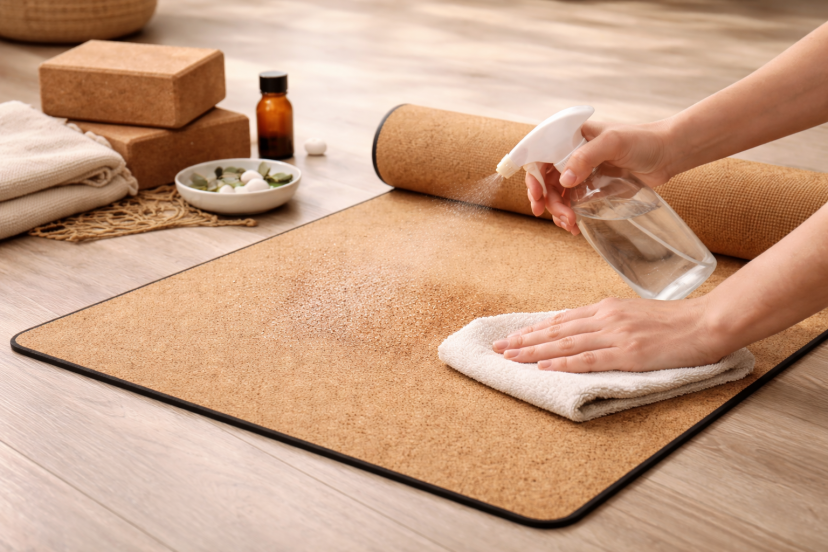
Once you finish your session, clean the surface with water and a gentle soap solution. Avoid strong chemical cleaners. Let it air dry fully before rolling it up.
Cork naturally resists bacteria. Therefore, you won’t need constant deep cleaning.
Store your mat away from direct sunlight to prevent rubber degradation. When maintained correctly, a well-made cork yoga mat can serve you for many years.
That durability reduces waste and saves money long term.
Is Investing in a Cork Yoga Mat Worth It?
If you practice yoga regularly and care about sustainability, yes.
A cork yoga mat may cost slightly more upfront. However, it lasts longer than many synthetic mats. It provides better wet grip. It avoids plastic chemicals. And it supports renewable forestry practices.
For sustainable living enthusiasts, it checks multiple boxes.
Your yoga practice is about mindfulness. Choosing eco-friendly gear is simply an extension of that mindset.
Conclusion
Switching to a cork yoga mat is a simple way to make your yoga practice more sustainable without sacrificing performance. It offers strong grip, natural odor resistance, and renewable sourcing without relying on plastic-based materials. While not every cork mat is identical, selecting one made with responsibly harvested cork and a natural rubber base makes a real difference. If you want better performance and a lower environmental impact, this yoga mat is a smart, long-term investment for both your practice and the planet.
FAQs
1. Do cork yoga mats perform well during hot yoga sessions?
Yes. Cork becomes more grippy when wet, making it excellent for sweaty practices.
2. Do cork yoga mats smell like rubber?
No. Cork resists odor naturally and does not produce strong chemical smells.
3. Are cork yoga mats eco-friendly?
Yes. Cork is a renewable resource, and it’s gathered without felling the trees.
4. What is the typical lifespan of a cork yoga mat?
If you take care of it properly, it can remain in good condition for years.
5. Are cork yoga mats a good option for beginners?
Absolutely. They provide stable traction, which helps beginners feel secure in poses.