5 Eco Friendly Cutting Board Options For Sustainable Cooking
We may earn a commission for purchases made using our links. Please see our disclosure to learn more.
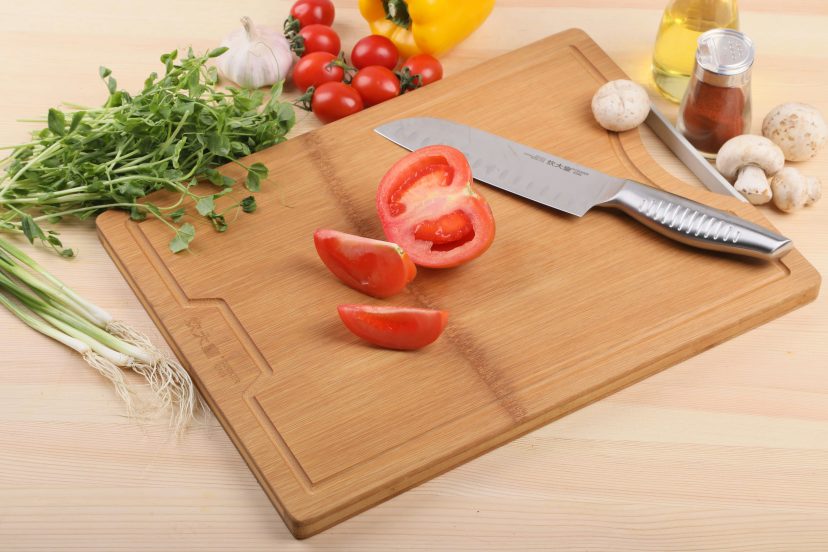
Choosing an eco friendly cutting board is a small change that makes a real difference. The board you use every day affects durability, hygiene, and waste—yet many people still grab whatever is cheapest or looks good. Some boards harbor bacteria, others wear out fast, and many add unnecessary plastic to landfills. Sustainable options made from bamboo, teak, acacia, or recycled materials last longer and support cleaner cooking. This guide highlights five top eco-friendly cutting boards, what makes them sustainable, and why they outperform traditional plastic boards.
Why Eco Friendly Cutting Boards Matter in a Sustainable Kitchen
The hidden environmental impact of traditional boards
Most conventional cutting boards are made from low-grade plastic or chemically treated wood. These materials often release microplastics and toxins during daily use. Worse, they break down quickly and add more waste to landfills. Over time, repeated disposal of plastic kitchen tools contributes to pollution issues that are now widely documented in environmental science research.
When you switch to a sustainable board, you reduce your reliance on petroleum-based materials and help slow the cycle of waste. Even small swaps matter when you consider how often cutting boards get replaced in the average home.
How greener materials support long-term health and sustainability
Eco friendly cutting boards typically come from renewable sources such as bamboo, acacia, teak, or recycled composites. These materials regenerate faster, require fewer chemical treatments, and often provide better durability. Natural woods also have antimicrobial properties that reduce bacterial growth—something researchers have studied for decades.
In short: sustainable boards help your kitchen stay cleaner, greener, and healthier.
Key Features to Look for in an Eco-Friendly Cutting Board
Material sourcing and renewability
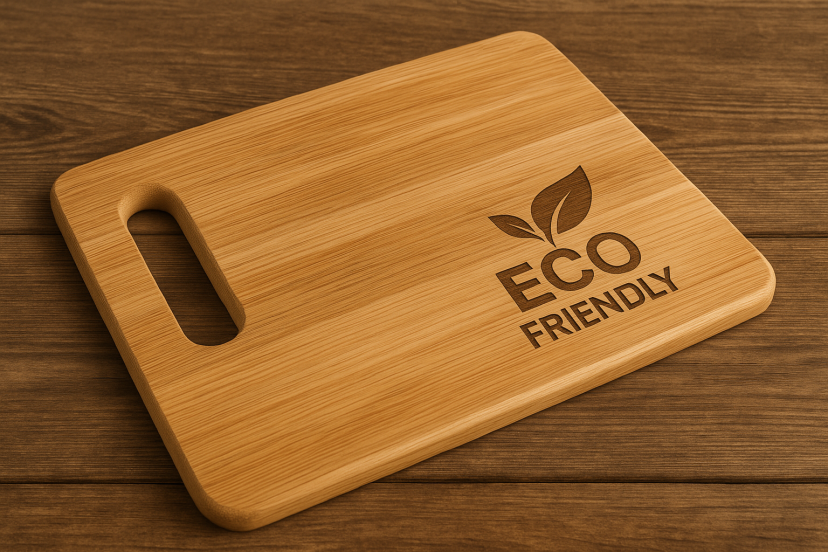
Look for boards made from bamboo, teak, acacia, or recycled materials. Bamboo’s fast growth rate makes it one of the most dependable and renewable materials available. Recycled composites help reduce waste and give discarded materials a second life.
Durability, maintenance, and food safety
A good eco-friendly cutting board resists warping, cracking, and deep knife grooves. Hardwoods like teak and acacia excel at longevity. Recycled plastic composites often perform well, too, especially in wet environments.
Compostability and end-of-life considerations
Wood and bamboo boards can eventually return to the earth, especially if they’re untreated or finished with natural oils. Composite boards won’t break down, but their recycled origins still reduce environmental impact compared to traditional plastic.
5 Best Eco-Friendly Cutting Boards
1. GreenerChef Organic Bamboo Cutting Board
This board is popular among eco-conscious home cooks because bamboo is one of the fastest-growing plants in the world. The GreenerChef board uses organic, chemical-free bamboo with no dyes or pesticides.
Why it’s eco-friendly:
- Made from sustainably harvested organic bamboo
- Naturally antimicrobial
- Lightweight and easy to maintain
Great for: everyday meal prep, fruits, vegetables, and bread.
2. Ironwood Gourmet Acacia Wood Cutting Board
Acacia is known for its dense, durable grain that stands up well to frequent chopping. The Ironwood Gourmet board features beautifully patterned, sustainably harvested acacia wood.
Why it’s eco-friendly:
- Long-lasting hardwood reduces the need for replacements
- Requires minimal processing
- Ethically sourced from managed forests
Great for: meats, presentation boards, and heavy-duty cutting.
3. Epicurean Eco Plastic Cutting Board (Made from Recycled Materials)
If you prefer a board that’s dishwasher-safe and incredibly durable, this recycled composite option is perfect. Epicurean boards blend recycled paper and eco-plastic resins for a strong, heat-resistant surface.
Why it’s eco-friendly:
- Made from post-consumer recycled materials
- Dishwasher-safe, minimizing water and soap waste
- Extremely long lifespan
Great for: high-moisture cooking, camping, daily kitchen use.
4. TeakHaus Sustainable Teak Edge-Grain Board
TeakHaus has built a strong reputation for producing high-quality boards made from responsibly sourced, FSC-certified teak. Teak naturally resists moisture, helping it last longer with less maintenance.
Why it’s eco-friendly:
- Teak plantations follow strict sustainable forestry practices
- Long lifespan reduces environmental footprint
- Water-resistant properties require less oiling
Great for: home chefs who want a restaurant-quality feel.
5. Bambu Recycled Wood Composite Prep Board
This option blends recycled wood fibers into a durable, eco-conscious board that performs exceptionally well for chopping and slicing.
Why it’s eco-friendly:
- Uses reclaimed wood fibers
- Lightweight and compact
- Renewable, low-waste manufacturing process
Great for: quick prep tasks and small kitchens.
Why Wood Performs Better Than Plastic in Real Kitchens
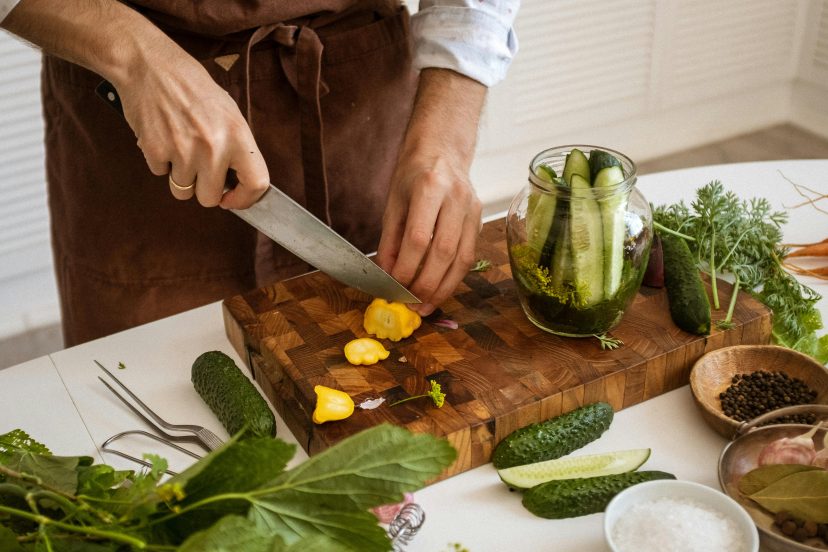
Most people assume plastic cutting boards are more hygienic simply because they’re easier to toss into the sink or dishwasher. However, a widely referenced study by food safety researchers Dean Cliver and N. Ak found the opposite. When they tested plastic and wooden boards contaminated with common bacteria, the plastic boards held onto far more bacteria—especially once they were scratched from regular use.
Wood behaved very differently. Instead of letting bacteria linger on the surface, it pulled moisture (and bacteria along with it) into its fibers. As the board dried, the bacteria became trapped and eventually died off. This means a well-maintained wooden cutting board can actually stay cleaner between uses than a worn plastic one.
It’s a reassuring reminder that natural materials often have built-in advantages that don’t rely on chemicals or harsh cleaners.
Why Bamboo Earns Its Reputation as a Sustainable Kitchen Material
On the sustainability side, a major review published in Science of the Total Environment looked at the environmental impact of bamboo compared to plastic and slower-growing woods. Because bamboo regenerates quickly and absorbs carbon efficiently, it consistently showed a lower environmental footprint in life cycle assessments.
The review also pointed out something important: bamboo doesn’t need the same level of pesticides or heavy processing that other materials require. When companies source it responsibly, the result is a product that’s not only renewable but significantly easier on the planet from start to finish.
So when you choose a bamboo cutting board, you’re not just picking something stylish for your countertop—you’re choosing a material that can genuinely reduce your kitchen’s carbon footprint.
How to Care for Eco-Friendly Cutting Boards
Cleaning and maintenance routines
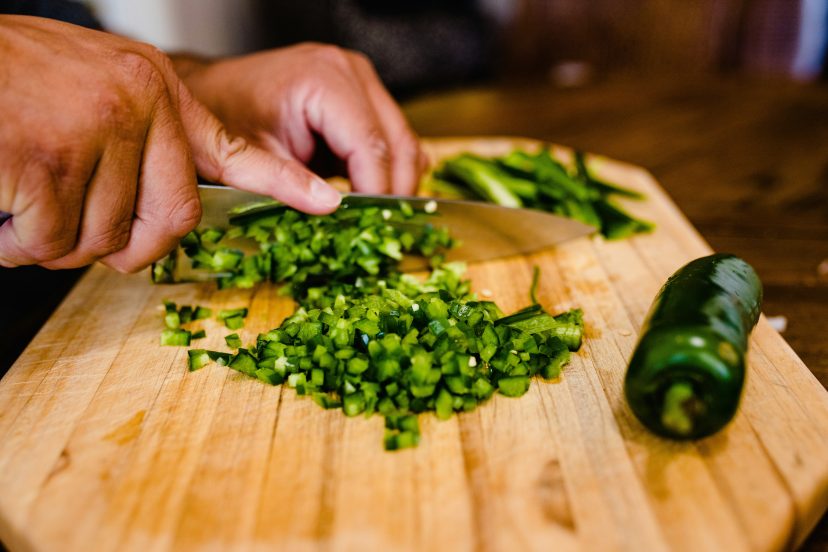
Clean wooden and bamboo boards with warm, soapy water. Dry them immediately to prevent warping. Avoid long soaking times, which weaken natural fibers.
Conditioning tips to prolong lifespan
Use food-grade mineral oil or natural board cream once or twice a month. Conditioning prevents cracks, reduces knife marks, and keeps wood looking rich and smooth.
Final Thoughts
Choosing an eco friendly cutting board is a simple upgrade that improves daily cooking while reducing waste. By opting for renewable woods or recycled materials, you support better food safety, longer-lasting tools, and a lower environmental footprint. You don’t need major lifestyle shifts to live in a more environmentally mindful way. Often, it starts with one intentional swap in the kitchen.
If you’re looking for more ways to make eco-conscious choices at home, you may enjoy exploring how pollinator-friendly plants support a healthier environment.
FAQs
1. Are eco friendly cutting boards more durable than plastic?
Yes. High-quality bamboo, teak, and acacia boards can last years longer than most plastic cutting boards with proper care.
2. Are wooden cutting boards prone to bacterial buildup?
Studies show that wood’s natural fibers help trap and neutralize bacteria, making them safe when cleaned correctly.
3. Do bamboo cutting boards cause knife blades to become dull?
In most cases, bamboo surfaces don’t cause significant wear on your knives. However, extremely hard bamboo composites may feel slightly firmer than soft woods.
4. Are recycled composite boards safe for food preparation?
Absolutely. Recycled boards follow strict food-safety guidelines and resist deep grooves that trap bacteria.
5. How frequently should a wooden or bamboo board be conditioned with oil?
Condition your board every 2–4 weeks depending on use. If you live in a dry area, you may need to oil your cutting board more often.