Top 10 Eco-Friendly Diapers
We may earn a commission for purchases made using our links. Please see our disclosure to learn more.
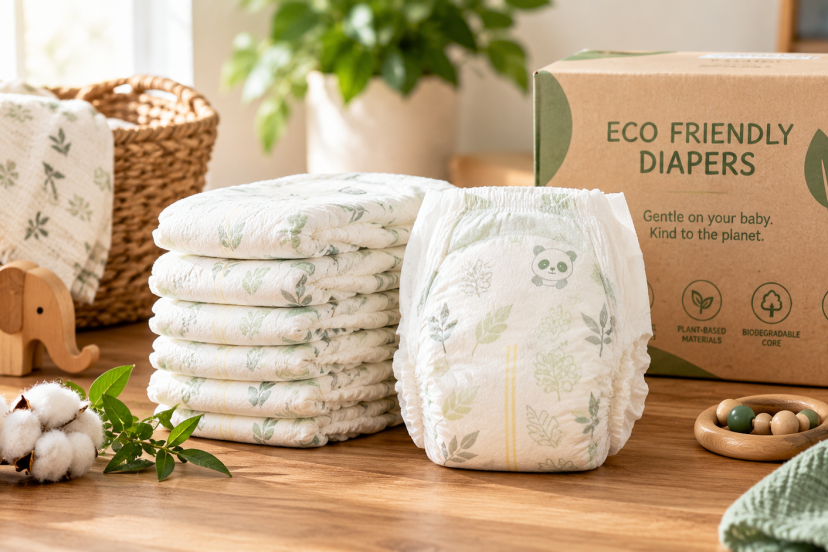
Diaper changes are unavoidable, but the amount of plastic, packaging, and disposable material that comes with them can add up surprisingly fast. Eco friendly diapers offer parents another option, combining everyday convenience with materials and manufacturing choices designed to reduce environmental impact.
The right diaper still needs to do the basics well: keep babies dry, fit comfortably, and handle leaks. We compared 10 options covering newborns, sensitive skin, overnight use, bamboo-based materials, and even the potty-training stage so you can find a better match for your family’s routine.
Our Top Picks
| Product | Best For | Key Feature | Rating |
| The Honest Company Diapers | Best Overall | Plant-based materials and leak protection | ★★★★⯪ |
| Eco by Naty Eco-Friendly Baby Diapers | Plant-Based Materials | Plant-based materials against baby’s skin | ★★★★☆ |
| Bambo Nature Dream Baby Diapers | Newborns | Eco-labeled and chlorine-free | ★★★★☆ |
| Earth & Eden Sensitive Baby Diapers | Bulk Buying | Large pack and hypoallergenic design | ★★★★☆ |
| The Honest Company Overnight Diapers | Overnight Use | Designed for extended nighttime protection | ★★★★⯪ |
| ECO BOOM Bamboo Diapers | Bamboo Option | Bamboo-derived viscose construction | ★★★★☆ |
| Naty Baby Diapers | Older Babies | Plant-based skin-contact materials | ★★★★☆ |
| ATTITUDE Eco-Conscious Diapers | Ingredient-Conscious Parents | EWG Verified and plant-based | ★★★★⯪ |
| Bambo Nature Training Pants | Potty Training | Pull-on eco-labeled training pants | ★★★★☆ |
| Mama Bear Gentle Touch Diapers | Budget-Conscious Families | Hypoallergenic everyday design | ★★★★☆ |
Top 10 Eco Friendly Diapers
1. The Honest Company Diapers

The Honest Company is a familiar choice for parents who want to move toward more thoughtfully designed disposable diapers without completely changing their diapering routine. These diapers combine plant-based materials with a soft construction, and the Size 1 pack is designed for babies around 8–14 pounds.
Key features: Plant-based components, hypoallergenic design, OEKO-TEX certification, leak protection, soft fit.
Best for: Parents looking for a well-rounded everyday eco-conscious diaper.
Pros: Comfortable for daily use; widely recognized brand; suitable for sensitive baby skin; good everyday leak protection.
Cons: Premium diapers may cost more per change than basic disposables.
Why we recommend it: It strikes a useful balance between convenience, skin-friendly features, and more eco-conscious materials, making it an easy starting point for families switching from conventional diapers.
2. Eco by Naty Eco-Friendly Baby Diapers

Eco by Naty puts plant-based materials at the center of its diaper design. The Size 3 option supplied here comes in a 100-count pack and is made with plant-based materials against the baby’s skin, which makes it appealing for families paying closer attention to what stays in contact with sensitive areas.
Key features: Plant-based skin-contact materials, soft construction, absorbent core, large pack size.
Best for: Parents prioritizing plant-based materials.
Pros: Generous pack size; soft against skin; established eco-focused brand; convenient disposable format.
Cons: Fit may vary between babies, especially around the legs.
Why we recommend it: Naty has a clear sustainability focus, and this diaper is a practical choice for parents who want plant-based materials without switching to cloth.
3. Bambo Nature Dream Baby Diapers

Bambo Nature Dream diapers are particularly appealing for newborns and smaller babies. This Size 1 version is designed for babies from roughly 4–9 pounds and uses an eco-labeled, totally chlorine-free design with added leak protection.
Key features: Totally chlorine-free, eco-labeled design, newborn sizing, absorbent core, enhanced leak protection.
Best for: Newborns and smaller babies.
Pros: Small-baby sizing; soft construction; environmentally focused brand; good option for delicate skin.
Cons: Smaller package than some competing bulk options.
Why we recommend it: The newborn-friendly size range and skin-conscious construction make it especially useful during those early weeks when comfort and fit matter most.
4. Earth & Eden Sensitive Baby Diapers

Earth & Eden’s Sensitive diapers are worth considering when you want to stock up without buying a tiny package every few days. This Size 1 box contains 176 diapers and is designed without harsh chemicals while emphasizing a hypoallergenic, dermatologically approved construction.
Key features: 176-count box, hypoallergenic design, dermatologically approved, made without harsh chemicals.
Best for: Families who prefer buying diapers in bulk.
Pros: Large supply; convenient for frequent diaper changes; designed for sensitive skin; straightforward everyday option.
Cons: A large box is less useful if you’re still figuring out which size or fit works best.
Why we recommend it: Bulk packs can make daily diapering much easier, and this option combines that convenience with a more skin-conscious approach.
5. The Honest Company Overnight Diapers

Daytime diapers do not always cut it once babies begin sleeping for longer stretches. The Honest Company Overnight Diapers are designed specifically for nighttime use and provide a more absorbent option for parents dealing with early-morning leaks.
Key features: Overnight design, extended protection, soft materials, sensitive-skin focus, comfortable fit.
Best for: Babies who need extra protection overnight.
Pros: Designed for longer wear; useful for heavy nighttime wetters; soft construction; reduces the need to use multiple daytime diapers.
Cons: Not necessary for every daytime change.
Why we recommend it: Having a dedicated nighttime diaper can make bedtime simpler, especially when a standard daytime diaper regularly reaches its limit before morning.
6. ECO BOOM Bamboo Diapers

ECO BOOM takes a different approach by using viscose derived from bamboo in its diapers. This Size 2 option is designed for babies around 6–16 pounds and comes in a large 102-count pack.
Key features: Bamboo-derived viscose, soft disposable construction, 102-count pack, small-baby sizing.
Best for: Parents interested in bamboo-based diaper materials.
Pros: Soft feel; distinctive plant-derived material choice; convenient large pack; suitable for smaller babies.
Cons: Bamboo-derived materials do not mean the entire diaper is biodegradable.
Why we recommend it: It offers parents another material option beyond the standard disposable diaper while still keeping diaper changes quick and familiar.
7. Naty Baby Diapers

This larger-size Naty option is designed for babies around 24–55 pounds, making it a useful choice once your child has moved beyond the smaller infant sizes. It continues the brand’s emphasis on plant-based materials against the skin while providing the convenience of a disposable diaper.
Key features: Plant-based skin-contact materials, larger size range, soft construction, absorbent design.
Best for: Older babies and toddlers who still need standard diapers.
Pros: Useful weight range; soft against skin; plant-focused design; suitable for everyday wear.
Cons: Larger babies may need some trial and error to find the ideal fit.
Why we recommend it: Many eco-focused diaper options concentrate heavily on newborns, so having a larger-size choice makes it easier to continue using lower-impact products as your child grows.
8. ATTITUDE Eco-Conscious Disposable Diapers

ATTITUDE’s Eco-Conscious Disposable Diapers stand out for parents who pay close attention to ingredient and product standards. This Size 3 version is EWG Verified, vegan, plant-based, and designed for babies around 13–22 pounds.
Key features: EWG Verified, vegan, plant-based components, ultra-absorbent design.
Best for: Ingredient-conscious and environmentally minded parents.
Pros: Clear third-party verification; plant-based approach; vegan construction; soft everyday design.
Cons: Smaller 27-count package may require more frequent reordering.
Why we recommend it: Third-party verification makes this pick particularly attractive for shoppers who prefer clear standards rather than relying only on broad eco-friendly marketing language.
9. Bambo Nature Training Pants

Once potty training begins, regular tab-style diapers can become inconvenient. Bambo Nature’s training pants use a pull-on design while continuing the brand’s eco-labeled and totally chlorine-free approach. The supplied version is Size 5 for children around 24–37 pounds.
Key features: Pull-on design, chlorine-free construction, eco-labeled materials, 100-count pack.
Best for: Toddlers starting potty training.
Pros: Easier for toddlers to pull up and down; large pack; familiar diaper-like protection; useful transition product.
Cons: Training pants may be less economical than moving directly to reusable underwear.
Why we recommend it: It bridges the gap between diapers and underwear while giving toddlers more independence during potty training.
10. Mama Bear Gentle Touch Diapers

Mama Bear Gentle Touch is a straightforward everyday disposable option for parents who want something simple and budget-friendly. The Size 1 version comes in a 50-count pack and focuses on hypoallergenic materials and everyday leakage protection.
Key features: Hypoallergenic design, leakage protection, soft feel, newborn-friendly sizing.
Best for: Budget-conscious parents who want a gentler everyday diaper.
Pros: Simple design; convenient size; hypoallergenic construction; practical for everyday changes.
Cons: It has fewer sustainability-specific features than the most environmentally focused picks in this guide.
Why we recommend it: Not every household can justify a premium diaper for every change, so this option gives budget-conscious parents another practical choice.
Final Thoughts
The best eco friendly diapers should fit your baby comfortably, provide dependable protection, and align with the environmental priorities that matter most to your household. The Honest Company is a strong all-around choice, while Bambo Nature works well for parents focused on eco-labeled and chlorine-free options. Naty and ATTITUDE are particularly appealing if plant-based materials are high on your list. Whichever you choose, remember that “eco-friendly” does not have to mean perfect—even replacing some conventional diapers with a more thoughtfully made option can be a practical step toward reducing your family’s environmental footprint. Our guide to sustainable baby products also explains several certifications and materials worth checking when choosing lower-impact baby essentials.
FAQs
Are eco friendly diapers actually better for the environment?
They can reduce environmental impact through measures such as plant-derived materials, chlorine-free processing, responsibly sourced pulp, or more sustainable production. However, most disposable eco diapers still contain mixed materials and should not automatically be considered fully biodegradable or compostable.
Are eco friendly diapers good for sensitive skin?
Many are designed with sensitive skin in mind and avoid fragrances or certain harsh treatments. Every baby’s skin is different, though, so introduce a new diaper gradually and stop using it if irritation develops.
Are bamboo diapers biodegradable?
Not necessarily. A diaper may contain bamboo-derived viscose while still including absorbent polymers, adhesives, elastic, or other synthetic components. Check the manufacturer’s disposal guidance before assuming a diaper can be composted.
Are eco friendly diapers worth the extra cost?
They can be worthwhile for parents who prioritize plant-based materials, environmental certifications, or reduced exposure to certain additives. If cost is a concern, using eco-conscious diapers selectively—such as overnight or while traveling—is another option.
What should I look for when choosing eco friendly diapers?
Prioritize a good fit, reliable absorbency, transparent material information, fragrance-free options when needed, and meaningful third-party certifications. The best diaper is one that meets your sustainability goals without sacrificing everyday performance.