Eco Friendly Rugs for a Beautiful Low-Waste Home

We may earn a commission for purchases made using our links. Please see our disclosure to learn more.
A rug can make a room feel warmer, but not every rug would be considered a low-waste home addition. Most conventional rugs are made with synthetic fibers, chemical treatments, or with materials that degrade quickly and end up in landfills. Eco friendly rugs provide a superior alternative by incorporating natural, recycled and sustainable materials along with fashion forward design that supports the environment without sacrificing style. In this guide, you’ll learn what makes a rug eco friendly, which materials are worth considering, and how to choose the right one for your home.
What Makes a Rug Eco Friendly?
An eco friendly rug is more than a natural-looking design. It should be made with thoughtful materials, safer finishes, durable construction, and responsible production practices.
Natural or Recycled Materials
Jute, wool, organic cotton, sisal, seagrass and recycled fibers are all great options. Natural fibers impart warmth and texture without the extensive use of petroleum-based materials. Recycled plastic, or recycled polyester, are other good options if you need an outdoor rug that’s moisture resistant.
Safer Dyes and Lower Chemical Exposure
Rugs are close to your feet, pets, children, and indoor air so the materials and finishes do matter. Safer dyes, chemical treatments and lower-emission rugs can be the right choice for your home. A scientific review on carpets and indoor air quality also found that carpets can interact with VOCs in different ways, including acting as a source and a sink for emissions.
This does not mean every conventional rug is harmful. It simply means it is worth checking the fiber, backing, dye, and care details before buying.
Responsible Production and Durability
The most sustainable rug is often the one you do not need to replace quickly. Look for tight weaving, strong edges, easy-care materials, and a design that fits the room.
For example, jute works well in dry living spaces but not in damp bathrooms. Choosing the right rug for the right area helps it last longer and creates less waste.
Best Materials for Eco Friendly Rugs
Different rug fibers have different personalities. Some are soft and cozy. Others are tough and rustic. The trick is choosing the one that fits your lifestyle, not just your Pinterest board.
Jute
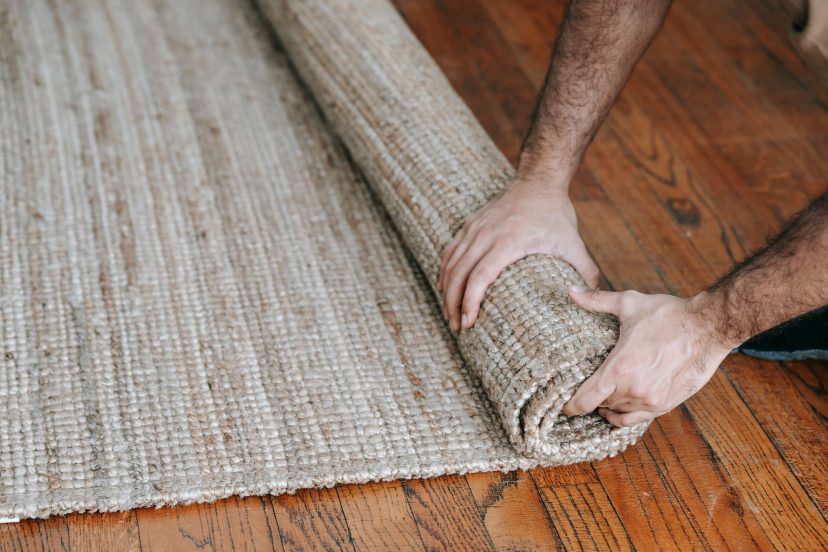
Jute is one of the most popular choices for eco friendly rugs. It has a warm, earthy texture that works beautifully with farmhouse, coastal, boho, rustic, and minimalist spaces.
It is best for living rooms, bedrooms, dining areas, and low-moisture spaces. However, jute can absorb water, so it is not ideal for bathrooms, wet mudrooms, or uncovered patios.
Wool
Wool rugs are soft, durable, and naturally resilient. They work especially well in living rooms and bedrooms where you want comfort underfoot.
A well-made wool rug can hold up for a long time when it is cleaned and maintained properly. That makes it a strong choice for people who want a long-term investment instead of a quick decor fix.
Organic Cotton
Cotton rugs are lighter, softer, and often easier to wash than heavier natural fiber rugs. Organic cotton is especially appealing for bedrooms, nurseries, playrooms, and cozy reading corners.
If you want a relaxed look and easy maintenance, cotton is a friendly option. Just check the care label before buying, because not every cotton rug is machine washable.
Sisal and Seagrass
Sisal and seagrass rugs bring a clean, natural look to a room. They are typically firmer underfoot than wool or cotton, so they work best in spaces where texture and durability matter more than plush softness.
They are great for entryways, offices, and dining areas. However, like jute, they do not love too much moisture.
Recycled Plastic or Recycled Polyester
Recycled-material rugs are useful when natural fibers are not practical. For example, outdoor rugs often need to handle sun, rain, spills, and muddy shoes.
A rug made from recycled plastic can be a better fit for patios, decks, RV setups, or busy family zones. It may not feel as natural as wool or jute, but it can help give existing materials a second life.
Our Favorite Low-Waste Rug Finds
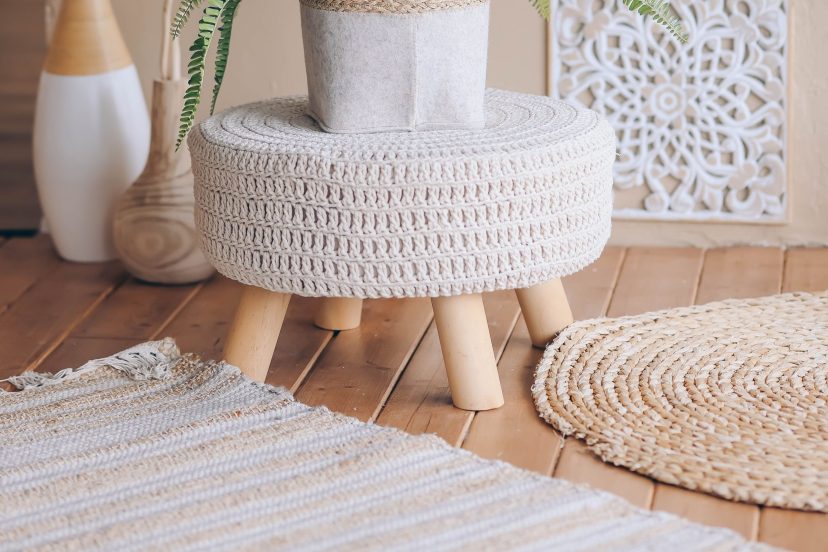
Here are five rug options that fit different rooms, styles, and sustainability needs.
1. nuLOOM Rigo Jute Hand Woven Area Rug
Best for: living rooms, dining rooms, and layered rug looks.
This handmade jute rug is a strong pick if you want natural texture without making the room feel too busy. It as made from 100% jute and suitable for high-traffic spaces. It works especially well under a coffee table or layered beneath a smaller patterned rug.
2. SAFAVIEH Natural Fiber Collection Area Rug
Best for: farmhouse, coastal, rustic, and neutral interiors.
This SAFAVIEH option is handwoven from plant-based jute fibers and has that natural, textured look many low-waste homes lean into. It is a good choice if you want a rug that feels warm and simple rather than overly polished.
3. ReaLife Rugs Machine Washable Area Rug
Best for: busy homes, pets, kids, kitchens, and entryways.
This rug is made with premium recycled synthetic fibers and is machine washable. It is a practical option if you like the idea of recycled materials but need something easier to clean than jute or wool.
4. Lorena Canals Washable Cotton Rug
Best for: bedrooms, nurseries, and cozy low-traffic spaces.
Lorena Canals washable rugs are known for soft cotton designs. The rug as made with natural cotton and non-toxic dyes. It is a lovely choice for a softer, relaxed room where comfort matters as much as style.
5. Fab Habitat Recycled Plastic Outdoor Rug
Best for: patios, decks, RVs, balconies, and outdoor dining areas.
This outdoor rug is made from recycled plastic tubes and designed to resist moisture. It is also suitable for outdoor use and easy to clean, which makes it a smart low-waste alternative to buying a patio rug that quickly gets ruined.
Why Low-Waste Homes Benefit from Better Rug Choices
Low-waste living is also about buying fewer things that wear out quickly. A poorly made rug can become waste when it stains easily, sheds constantly, crumbles at the backing, or looks dated after one season.
Eco friendly rugs encourage you to think beyond style. Materials, durability, care needs, and lifespan all matter. A well-made rug is easier to clean, easier to keep, and less likely to be replaced too soon.
That same practical mindset applies beyond home decor. For more everyday ideas, explore these sustainable travel tips for reducing waste when you are away from home.
How to Choose the Right Eco Friendly Rug for Each Room
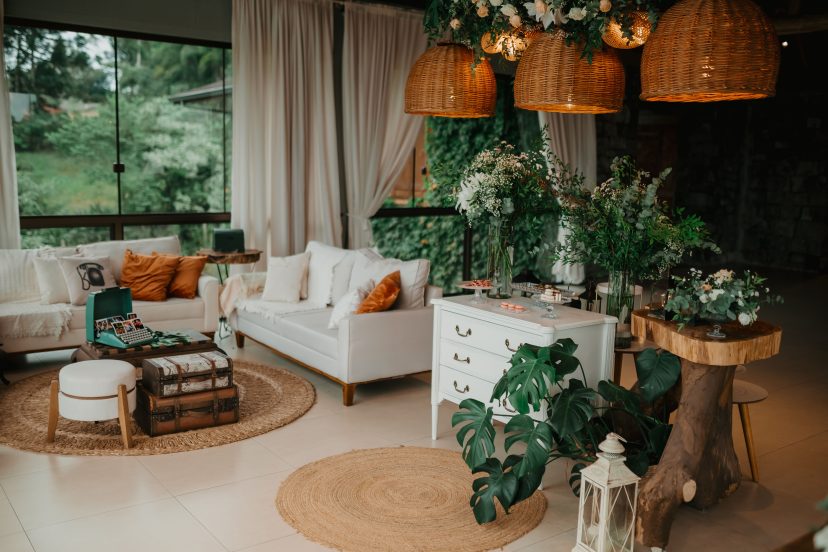
Before buying, think about how the room actually works. This is where the process can easily go sideways. They choose the prettiest rug, then get annoyed when it does not survive real life.
For a living room, choose something durable enough for foot traffic. Jute, wool, or a recycled washable rug can work well.
For a bedroom, softness matters more. Wool, cotton, or a soft low-pile rug feels better when you step out of bed.
For a dining room, go low-pile. Food crumbs and thick shag rugs are not friends. A flatweave jute, wool, or washable rug makes cleanup easier.
For a kitchen, choose washable or easy-to-clean options. Cotton runners and recycled washable rugs are often practical here.
For outdoor spaces, recycled plastic rugs make sense because they handle moisture better than many natural fibers.
How to Care for Eco Friendly Rugs So They Last Longer
A sustainable rug still needs good care. In fact, care is one of the easiest ways to reduce waste.
Vacuum regularly, but use a gentle setting for natural fibers. Rotate your rug every few months so one side does not fade or wear faster than the other. Clean spills quickly with a cloth instead of scrubbing aggressively.
For jute, sisal, and seagrass, avoid soaking the rug. Too much water can damage the fibers. For wool, blot stains gently and use wool-safe cleaners. For washable cotton or recycled rugs, follow the care label closely. Heat drying can shrink or damage some rugs, so do not guess.
A rug pad also helps. It keeps the rug from sliding, adds cushioning, and reduces friction against the floor. That small add-on can help your rug last longer.
Conclusion
Eco friendly rugs are an easy way to make your home look more beautiful while also considering waste, materials, and the impact of your day to day. Whether you choose jute for natural texture, wool for long-lasting comfort, organic cotton for softness, or recycled fibers for easy-care durability, the best rug is one that fits your space and lasts. By considering the materials and the rug’s location in your home, create a home that feels warm and more aligned with sustainable living.
FAQs
1. What are the best materials for eco friendly rugs?
The best materials include jute, wool, organic cotton, sisal, seagrass, and recycled fibers. Each one works better in different rooms, so choose based on foot traffic, moisture, softness, and cleaning needs.
2. Are jute rugs eco friendly?
Yes, jute rugs can be eco friendly because jute is a natural plant fiber. They are durable, biodegradable, and stylish. However, they work best in dry indoor spaces because moisture can weaken the fibers.
3. Are recycled plastic rugs a good sustainable choice?
Recycled plastic rugs can be a good choice for outdoor areas, patios, decks, and RVs. They reuse existing plastic materials and usually handle moisture better than natural fiber rugs.
4. What rug certifications should I look for?
Look for credible labels such as GOTS, OEKO-TEX STANDARD 100, and GoodWeave. These can help you identify rugs made with organic fibers, tested textiles, or more responsible labor practices.
5. How do I make an eco friendly rug last longer?
Vacuum it gently, rotate it regularly, clean spills quickly, use a rug pad, and follow the care label. The longer your rug lasts, the less waste you create.