Urban Homesteading: How To Be Self-Sufficient In The City
We may earn a commission for purchases made using our links. Please see our disclosure to learn more.
Urban homesteading is a way to be more self-sufficient without leaving the city. It’s not about going off-grid or growing all your own food. Instead, it focuses on doing a little more for yourself—growing some food, wasting less, and using what you have more intentionally, even in small spaces like apartments or balconies. In this article, you’ll learn what urban homesteading really means, why it’s becoming more relevant, and how it shows up in everyday city life.
What Is Urban Homesteading?
Urban homesteading is a lifestyle approach focused on self-sufficiency within city environments. Rather than relying entirely on external systems, urban homesteaders create small, sustainable systems at home.
These systems might include growing food, preserving ingredients, reducing waste, conserving resources, or sharing tools and skills within a local community.
Urban homesteading is not about total independence. It’s about intentional independence—choosing where you can rely more on yourself and less on constant consumption.
Urban vs. Traditional Homesteading
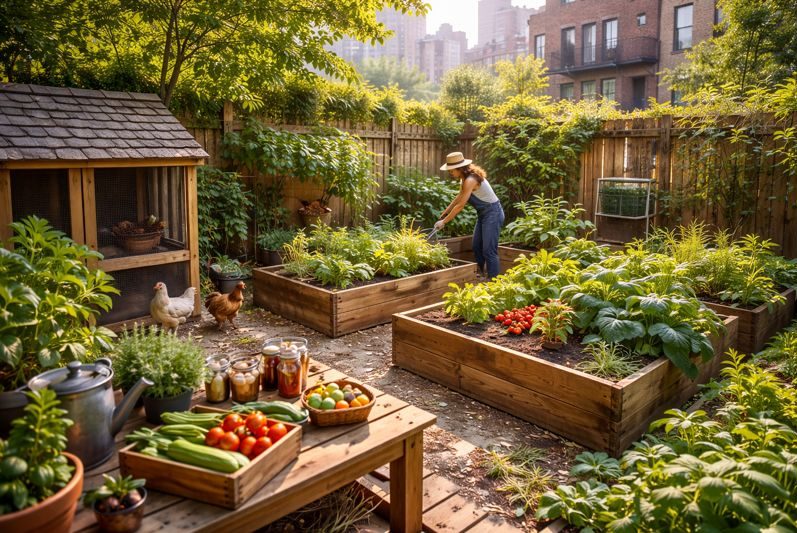
Traditional homesteading usually takes place in rural settings and often involves land ownership, livestock, or off-grid systems. Urban homesteading works within the structure of city life instead.
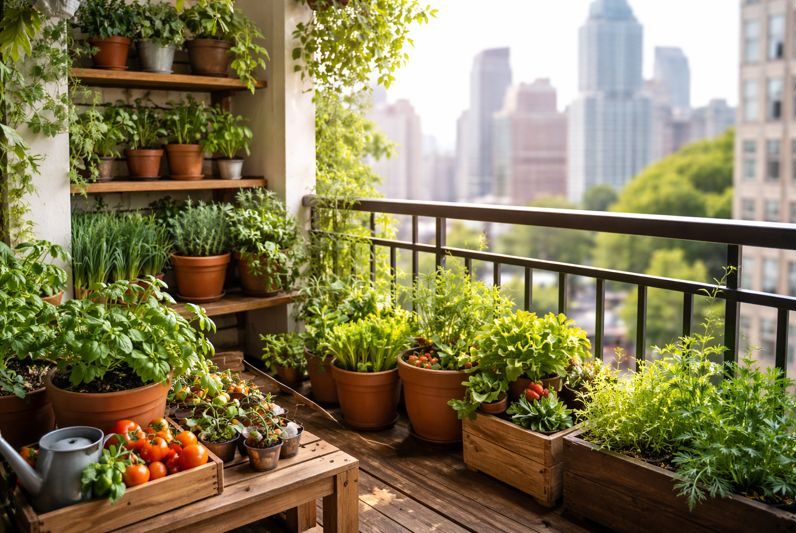
Rather than relying on open land, urban homesteaders make use of smaller, flexible spaces like balconies, windowsills, kitchens, and shared areas. Vertical storage and community networks often replace acreage and private resources, shifting the focus from scale to efficiency.
At the same time, urban homesteading is guided by a set of practical principles that support everyday self-sufficiency. This often includes producing some of your own food, reducing household waste, and using water and energy more intentionally—especially in shared urban environments.
Many people also focus on preserving food when possible and building simple, repeatable skills that fit naturally into daily routines. These approaches help create long-term resilience without requiring major lifestyle changes or a move out of the city.
How to Start Urban Homesteading
Once you understand what urban homesteading is, the next question is usually where to begin. The key is to treat it as a progressive process, not a lifestyle overhaul. These steps are designed to help you start in a way that feels realistic and sustainable.
Step 1: Pick One Area to Focus On
Urban homesteading works best when you narrow your attention. Choose one area that fits your current space, schedule, and energy level.
Most beginners start with one of these four options:
- Food – Growing herbs, greens, or learning to preserve leftovers
- Waste – Reducing disposables and managing kitchen waste
- Energy – Lowering electricity or water use through small changes
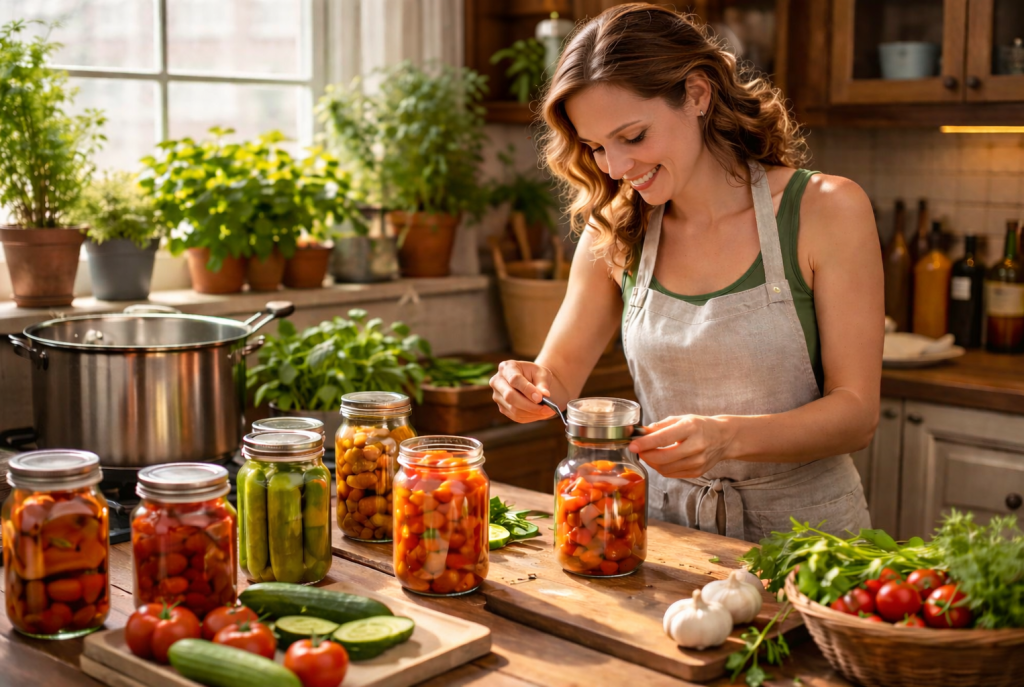
- Preservation – Extending food life through freezing, dehydrating, or fermenting
Starting with a single focus prevents overwhelm and builds early confidence.
Step 2: Assess Your Space Honestly
Before adding anything new, take a realistic look at what you already have.
Ask yourself:
- How much natural light do I get?
- How much storage space is available?
- What areas of my home are underused?
Urban homesteading adapts to your environment. A windowsill, balcony corner, or kitchen counter can be enough to begin.
Step 3: Choose Tools That Solve Real Problems
Avoid buying tools “just in case.” Instead, choose items that address a specific need in your daily routine.
For example:
- Lack of sunlight → a compact grow light
- Food waste → reusable storage or composting
- Limited freezer space → small-batch preservation tools
The right tools should make habits easier, not more complicated.
Step 4: Build One Habit at a Time
Urban homesteading grows through repetition. Focus on building one reliable habit before adding another.
That might look like:
- Watering plants every morning
- Swapping one disposable product for a reusable option
- Tracking energy use for a week
- Preserving leftovers once a week
Consistency matters more than scale.
Step 5: Let Systems Form Naturally
Once one habit sticks, it often leads to another. Food growing encourages waste reduction. Preservation encourages mindful shopping. Over time, individual habits connect into systems.
This is where urban homesteading becomes sustainable—not because it’s perfect, but because it’s integrated into daily life.
Step 6: Expand Only When It Feels Easy
The best signal that you’re ready to add more is when your current system feels automatic.
Expansion might mean:
- Adding a second planter
- Preserving a new type of food
- Reducing another source of waste
- Improving energy efficiency further
Urban homesteading isn’t a race. It’s a gradual shift toward self-sufficiency that grows with you.
Helpful Tools for Urban Homesteaders
While tools aren’t required, the right ones reduce friction. Here are five practical Amazon-friendly options many urban homesteaders rely on:
- Vertical Stackable Planter – Maximizes food production in minimal space.
- Indoor LED Grow Light with Timer – Supports year-round growing without manual scheduling.
- Compact Countertop Compost Bin – Reduces kitchen waste without odor issues.
- Reusable Silicone Food Storage Bags – Replace disposable plastic for produce and leftovers.
- Small Electric Food Dehydrator – Allows food preservation without outdoor space.
Each tool supports consistency rather than complexity.
Why Urban Homesteading Is Good for Your Health and the Planet
A large scientific review found that gardening is linked to lower stress, reduced anxiety, and improved overall well-being. People who spend time caring for plants often feel calmer and more grounded, which helps explain why simple urban practices like balcony gardening or growing herbs feel so rewarding.
Another major review looked at urban food growing and green spaces. It found that urban agriculture supports healthier cities, especially when food production is combined with greenery. Community gardens and small growing setups helped improve environmental balance and made better use of urban space.
These findings show why urban homesteading works: small, everyday actions can support both personal well-being and a healthier environment.
Final Thoughts
Urban homesteading is a practical way to be more self-sufficient in the city. It focuses on producing some of what you use, reducing waste, and managing resources more intentionally within limited space. You don’t need land or major lifestyle changes to begin.
By starting small and building habits that fit daily life, urban homesteading becomes sustainable over time. Each step reduces reliance on external systems and increases control, making self-sufficiency achievable even in urban settings. Simple swaps like reusable paper towels are one example of how small changes can support long-term sustainability.
FAQs
Is urban homesteading realistic in apartments?
Yes. Many practices are designed specifically for apartments.
Does urban homesteading save money?
Over time, reduced waste and food purchases often offset initial costs.
How much time does it take?
Most systems require minutes per day once established.
Is urban homesteading legal everywhere?
Most practices are legal, but local rules may affect composting or livestock.
What’s the best first step?
Start with one habit that fits naturally into your routine.