5 Non-Toxic Flooring Options For Your Home
We may earn a commission for purchases made using our links. Please see our disclosure to learn more.
Choosing non-toxic flooring is one of the most effective ways to improve your home’s indoor air quality. Many conventional floors—like vinyl, laminate, and some engineered woods—release chemicals that can linger for years. Natural, low-emission materials offer a safer alternative without sacrificing durability or style. This guide breaks down the best non-toxic flooring options, what sets them apart, and how to choose the right one for a healthier, more sustainable home.
How Your Flooring Choices Affect Indoor Air Quality
Most people choose flooring based on color, durability, or design, but the materials beneath your feet play a much bigger role in your home’s air quality. Because flooring covers such a large surface area, the chemicals it releases can influence the air you breathe every single day.
Many conventional materials—like vinyl, laminate, and certain engineered woods—can release volatile organic compounds (VOCs) into the air. These VOCs often come from adhesives, finishes, coatings, or the materials themselves. And since modern homes are built to be energy-efficient and more airtight, VOCs tend to accumulate indoors rather than dissipate.
Scientific research supports this concern. A controlled study published in Science of the Total Environment found that laminate and wood flooring emitted measurable amounts of formaldehyde and several other VOCs, especially right after installation. These emissions contributed to poorer overall indoor air quality during the early months of use.
Another comprehensive review on residential indoor environments identified flooring materials and interior finishes as significant sources of indoor VOC pollution, linking these emissions with headaches, irritation, and respiratory symptoms in sensitive individuals. The review also emphasized that VOC concentrations indoors often exceed outdoor levels by a wide margin.
This is why safer, non-toxic flooring—like solid hardwood, cork, bamboo, stone, and natural linoleum—matters so much. These natural materials typically release fewer chemicals and work even better when paired with low-VOC adhesives and sealers. By choosing cleaner flooring options, you’re not just improving aesthetics—you’re actively supporting better indoor air quality and long-term wellbeing for everyone in your home.
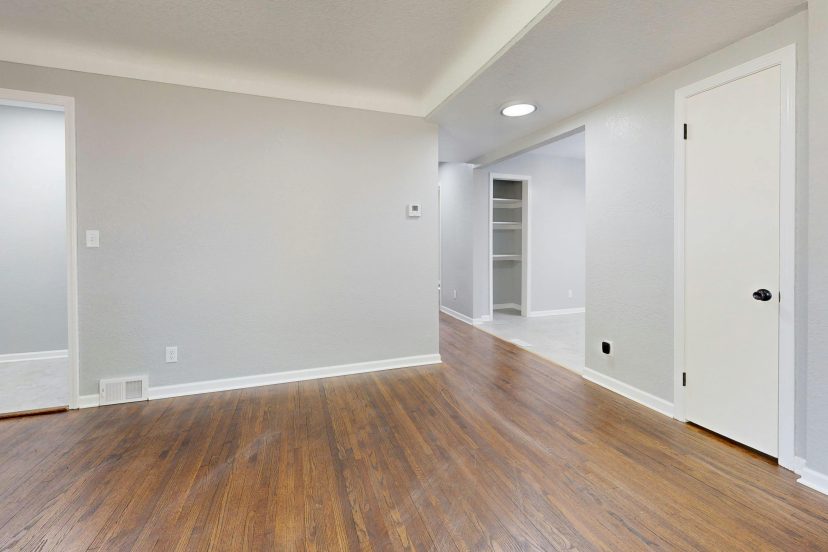
Best Non-Toxic Flooring Materials
Below are the safest, most sustainable flooring options for a toxin-conscious home.
1. Solid Hardwood
Solid hardwood remains one of the cleanest options available—as long as you choose unfinished or low-VOC finished wood. Because it’s a natural material with no synthetic binders, hardwood doesn’t release the harmful compounds often found in engineered flooring.
Why it’s a great choice:
- Long lifespan (can be refinished many times)
- Minimal off-gassing
- Increases home value
- Warm, classic appearance
Sustainability tip:
Choose FSC-certified wood to ensure ethical harvesting and environmental protection.
2. Bamboo Flooring
Since bamboo grows incredibly quickly, it’s considered one of the most sustainable materials you can choose. When manufactured responsibly with non-toxic adhesives, bamboo is durable, stable, and eco-friendly.
Benefits:
- Harder than many hardwoods
- Naturally antimicrobial
- Sustainable harvesting
- Stylish, modern look
Watch out for:
Some cheaper bamboo products use formaldehyde-based glues, so look for flooring that is CARB-compliant and FloorScore-certified.
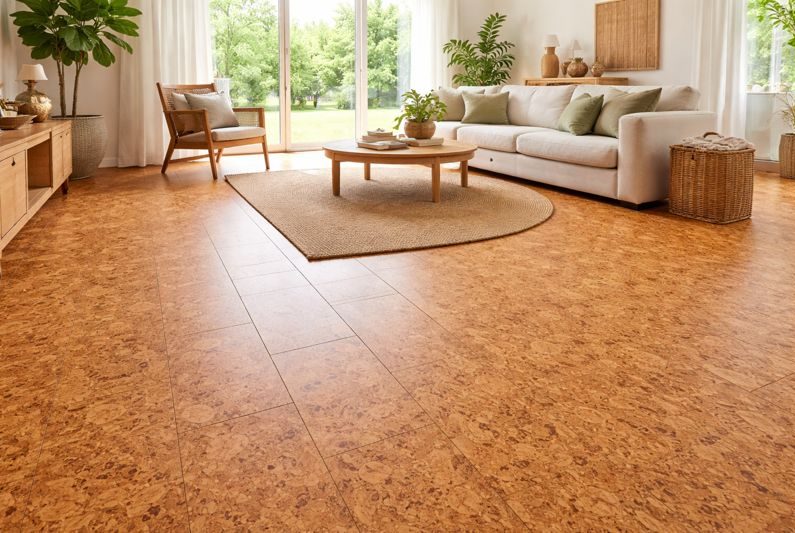
3. Cork Flooring
Cork is produced by stripping the bark from cork oak trees, a process that doesn’t damage the tree and lets it regrow naturally. This makes cork extraordinarily renewable.
Why homeowners love cork:
- Soft underfoot
- Excellent insulation
- Naturally resistant to mold and pests
- Low-VOC when properly sealed
Cork feels warm, quiet, and comfortable—perfect for bedrooms, playrooms, and home offices.
4. Natural Linoleum (Not Vinyl)
Often misunderstood, natural linoleum is not the same as vinyl flooring. Real linoleum is crafted using natural ingredients like linseed oil, pine resins, cork particles, and a durable jute backing. It has been used for over 150 years because it’s durable and biodegradable.
Advantages:
- Completely natural materials
- Fire-resistant
- Naturally antibacterial
- Long-lasting with proper care
Just confirm the product is “true linoleum” and not PVC-based.
5. Stone Tile
Natural stone—such as slate, travertine, limestone, and marble—is inherently toxin-free. It’s also one of the most durable choices available.
Why stone is a top pick:
- Zero VOCs
- Extremely long lifespan
- Hypoallergenic
- Beautiful, timeless look
The only potential concern is sealants, so choose low-VOC water-based sealers for the healthiest finish.
Top 5 Products for Non-Toxic Flooring
Here are five trusted flooring solutions that support cleaner indoor air and healthier living spaces. These products are known for low emissions, natural materials, or sustainable sourcing — perfect for anyone prioritizing non-toxic home upgrades.
1. Bamboo Flooring Planks
Bamboo is one of the fastest-growing plants on earth, making it a renewable flooring choice when harvested responsibly. These strand-woven planks are durable and water-resistant, and Cali Bamboo offers low-VOC finishes for healthier indoor air.
2. Forbo Marmoleum Natural Linoleum Flooring
Forbo Marmoleum is true linoleum crafted from linseed oil, pine resin, cork flour, and jute backing — all naturally derived materials. It’s free of PVC and plasticizers that can off-gas harmful chemicals and is often certified for low emissions.
3. Natural Cork Flooring Planks
These cork planks are made from renewable cork oak bark and finished with water-based or low-VOC sealers to keep indoor air clean. Cork naturally resists mold, reduces noise, and feels softer underfoot than many other floor types.
4. Solid Hardwood Flooring
FSC-certified solid hardwood planks are sourced from forests managed for sustainability and typically finished with low-VOC or water-based sealants. Hardwood floors can be refinished multiple times and age beautifully while supporting healthier indoor air when properly cared for.
5. Natural Stone Tile Flooring
Natural stone tiles are inherently non-toxic since they don’t contain synthetic binders or plasticizers. They’re ideal for moisture-prone areas like bathrooms and kitchens and pair well with low-VOC grout and sealers.
How to Choose the Right Non-Toxic Flooring
When selecting non-toxic flooring, consider:
Certification Labels
Look for:
- FloorScore
- GREENGUARD Gold
- FSC
- CARB Phase 2
Installation Materials
Even the healthiest flooring becomes less safe if installed with toxic adhesives. Choose water-based, low-VOC glues and sealers.
Room Usage
- Bedrooms: cork or hardwood
- Kitchens: stone or linoleum
- High-traffic hallways: bamboo or stone
Maintenance Requirements
Natural flooring thrives when cleaned with mild, non-toxic solutions. Avoid harsh chemicals that degrade finishes.
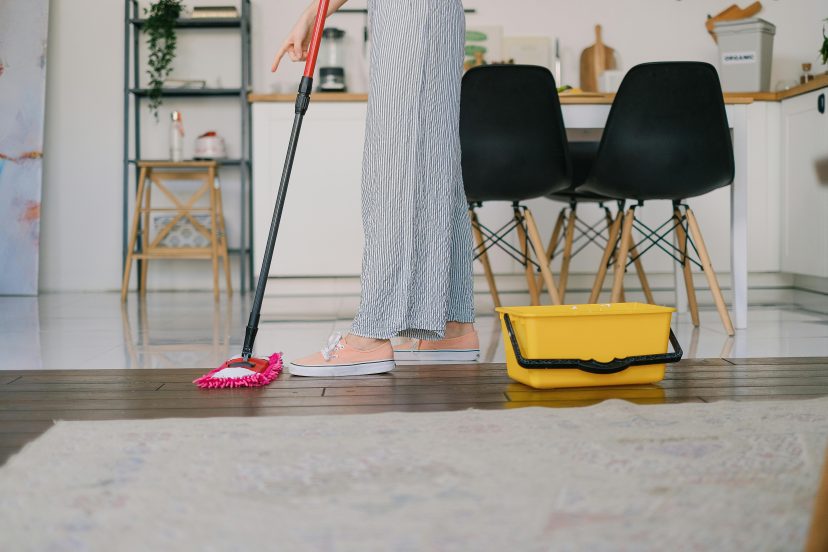
How to Maintain Non-Toxic Flooring Without Introducing New Chemicals
Choosing non-toxic flooring is a huge step toward creating a healthier home, but the products you use after installation matter just as much. Even the cleanest, most natural flooring can lose its benefits if it’s regularly treated with chemical-heavy cleaners or finishes. The good news is that maintaining non-toxic flooring is simple once you know what to avoid and what to use instead.
Avoid Cleaners That Reintroduce VOCs
Many popular floor cleaners, polishes, and sprays contain ingredients that release VOCs—undoing the very air-quality benefits you chose your flooring for. Common offenders include:
- Ammonia
- Chlorine-based cleaners
- Fragranced detergents
- Solvent-based polishes
- Petroleum-derived waxes
These can leave behind fumes that linger for hours, especially in homes with limited ventilation. If you’ve ever cleaned your floors and suddenly noticed a strong chemical smell, VOCs were likely the culprit.
Choose Safer, Low-Toxicity Cleaning Solutions
Natural flooring materials like cork, hardwood, bamboo, and stone respond beautifully to gentle cleaning methods. Most eco-conscious homeowners stick to:
- Microfiber mops (they lift dirt without chemicals)
- Warm water + mild, plant-based soap
- Diluted white vinegar (for linoleum and tile, but avoid on stone)
- Low-VOC, biodegradable floor cleaners
- Hydrogen-peroxide-based sprays for disinfecting
This approach keeps your floors clean without leaving behind synthetic residues.
Use the Right Sealers and Finishes
Some floors—especially hardwood and cork—need periodic resealing to stay protected. When choosing a finish, look for:
- Water-based polyurethane
- Low-VOC or zero-VOC sealants
- Natural oil finishes like tung or linseed oil (verify they’re solvent-free)
These options maintain your floor’s durability without saturating your home with harmful fumes.
Simple DIY Cleaner Recipes
If you prefer homemade solutions, here are some safe, low-cost options:
- For hardwood and bamboo:
2 cups warm water + a few drops of mild dish soap - For natural linoleum:
1 gallon warm water + 1 cup white vinegar - For stone flooring:
Warm water only (avoid acids that can etch the surface)
These recipes are gentle, effective, and won’t compromise your indoor air quality.
Regular Care Goes a Long Way
Routine maintenance helps extend the lifespan of your non-toxic flooring. A few habits to prioritize include:
- Sweeping or vacuuming regularly to prevent scratches
- Using doormats to reduce dirt and grit
- Wiping spills immediately to prevent staining
- Keeping humidity levels stable to avoid warping
Small daily habits help preserve your floors naturally—no harsh chemicals required.
Conclusion
Non-toxic flooring isn’t just a design choice—it’s a practical way to create a cleaner, healthier living environment. By choosing materials that produce fewer emissions and avoiding harmful finishes, you reduce indoor pollutants while improving the long-term comfort of your space. Whether you prefer hardwood, cork, bamboo, linoleum, or stone, each option offers a safer foundation for a sustainable home.
For simpler ways to make your home healthier and eco-friendly, explore this guide on kitchen counter compost bins.
FAQs
1. What is the safest non-toxic flooring for homes?
Solid hardwood and natural linoleum are considered top choices because they emit extremely low levels of VOCs and contain no synthetic chemicals.
2. Is bamboo flooring really eco-friendly?
Yes—when sourced responsibly. Look for bamboo flooring that is CARB-compliant and made with non-toxic adhesives.
3. Does cork flooring contain harmful chemicals?
Natural cork is safe, but the topcoat matters. Choose water-based, low-VOC sealers.
4. Are vinyl floors considered non-toxic?
Generally no. Most vinyl flooring contains PVC, phthalates, and stabilizers that can off-gas into indoor air.
5. What certifications guarantee safer flooring?
FloorScore, GREENGUARD Gold, FSC, and CARB Phase 2 certification are strong indicators of safe materials.